Choosing the right wind trainer or bike trainer enhances indoor cycling by regulating airflow, resistance, and stability. This guide highlights five leading options that blend cooling power, quiet operation, and realistic riding feel. Each pick is designed for American homes and gyms, offering performance data and ease of use for varied fitness goals.
| Product | Brand | Key Benefit |
|---|---|---|
| Wahoo KICKR HEADWIND | Wahoo Fitness | Sensor-based fan speed with targeted airflow |
| Sportneer Bike Trainer | Sportneer | Six resistance levels and quiet operation |
| RAD Cycle Max Racer | RAD Cycle Products | Portability and seven resistance levels |
| Alpcour Bike Trainer Stand | Alpcour | Six fixed resistance levels and noise reduction |
| Saris Fluid2 Indoor Trainer | Saris | Fluid resistance with foldable design |
Below, five products are explored with objective details to help readers compare airflow, resistance, stability, and portability for varied indoor cycling setups.
Wahoo KICKR HEADWIND: High-Power Indoor Fan
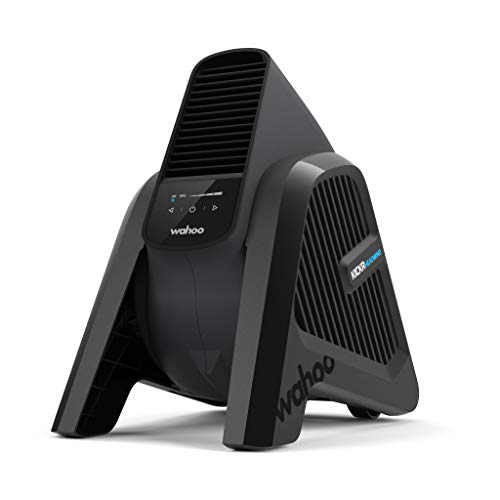
The Wahoo KICKR HEADWIND is a dedicated cooling accessory designed for indoor trainers and bikes. It delivers airflow up to 30 mph for intense sessions, helping to regulate body temperature during climbs and sprints. The fan pattern is calibrated to mirror a rider’s torso and limbs, enhancing realism in airflow. Sensor-based control lets the fan speed respond to your ANT+ heart rate, speed, or smart trainer data, enabling automatic adjustments as intensity rises. This integration supports steady thermal management without manual fan tweaks during workouts.
Key features include powerful airflow, a shape-accurate targeted airflow pattern, and sensor-based speed control. The setup integrates seamlessly with compatible sensors and trainers, giving athletes a hands-free cooling experience that aligns with workout intensity. This makes it suitable for high-output intervals, endurance efforts, and hot-weather planning in home gyms.
Sportneer Bike Trainer: Quiet, Stable, 6-Resistance

The Sportneer bike trainer stand targets stability and noise reduction for indoor cycling. Its wide base and low stance promote balanced workouts on varied flooring. The device uses a resistance curve with six levels, allowing riders to simulate different terrains—ranging from flat road to steep hills—while a bar-mounted remote provides on-the-fly adjustments. The design emphasizes quiet operation primarily dependent on tire material, with a caveat that road tires tend to dampen noise more than mountain bikes. This trainer suits riders seeking a stable, low-noise setup for endurance rides and structured intervals.
RAD Cycle Max Racer: Portable Magnetic Trainer

The RAD Cycle Max Racer combines portability with stable performance. Its ultra-quiet internal magnet provides seven resistance levels that mimic varying road conditions. The trainer is notably foldable, enabling compact storage and transport—ideal for travelers or home gym users with limited space. Additional stability comes from extra-wide legs and a robust frame, which helps reduce wobble during all-out sprints and vigorous intervals. This model suits cyclists who value easy transport and a wide resistance range without sacrificing stability.
Alpcour Bike Trainer Stand: Quiet, Six-Level Resistance
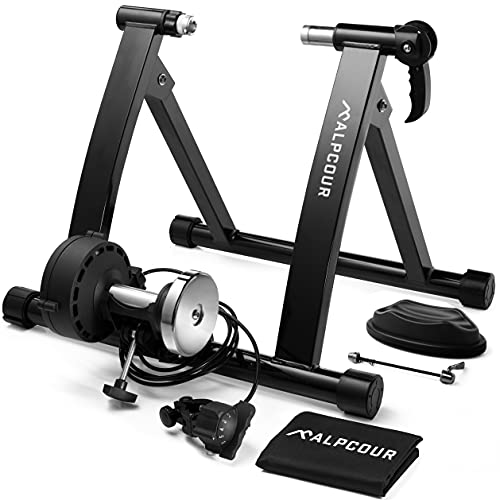
The Alpcour trainer stand emphasizes a quiet ride and realistic feel through magnetic resistance. Its six fixed resistance levels let riders simulate varying intensities, from steady tempo efforts to challenging hill climbs. The foldable, sturdy frame features an extra-wide base and a low stance to maintain balance on different floor types. Built to convert any road or mountain bike into an indoor trainer, it supports a broad wheel range and emphasizes longevity through reduced friction and durable construction. This option targets users seeking a practical, low-maintenance indoor training solution.
Saris Fluid2 Indoor Bike Trainer

The Saris Fluid2 is a robust, USA-made indoor trainer designed for road and mountain bikes. Its resistance is fluid-based, offering a smooth and progressive feel that ramps with speed. The trainer folds for storage, helping riders keep a compact home gym. The combination of a machined aluminum roller, steel frame, and durable components contributes to a dependable ride quality essential for structured workouts and compatibility with asynchronous training apps. It suits riders who prioritize a realistic resistance curve and reliability during long sessions.
Buying Guide: Key Purchase Considerations
When selecting a wind or magnetic trainer for bike workouts, consider airflow needs, noise tolerance, space, and compatibility with your bike and sensors. The following perspectives help balance preferences across common scenarios:
- Airflow and cooling: If you train in hot environments or perform high-intensity intervals, a dedicated fan such as the HEADWIND can dramatically enhance comfort and performance by maintaining an optimal skin temperature.
- Resistance type and range: Magnetic trainers with multiple levels, fluid resistance, or adjustable programs simulate varied terrains. Six to seven levels generally cover moderate to advanced training needs; higher resistance is useful for heavy climbs.
- Stability and footprint: Wide bases and low stances reduce wobble on uneven floors. Foldable designs help with storage for apartments and small homes.
- Noise and tire compatibility: Road tires tend to produce less noise than MTB tires on many trainers. Consider noise-sensitive environments and whether you prefer a silent ride or a more pronounced tire sound as part of the feedback.
- Sensor integration: If precision and workout automation matter, choose gear that pairs with ANT+ or Bluetooth sensors and training platforms. This enables automated fan control and immersive data-driven workouts.
- Portability vs. durability: Foldable trainers excel for travelers or shared spaces, while robust frames deliver stable rides for long-term training investments.
Across these options, riders seeking automatic airflow response and real-time cooling will appreciate sensor-based control. Those prioritizing a realistic road feel may prefer a fluid or magnet-based trainer with a broad resistance spectrum. Space-conscious users should weigh foldable models against more permanent, high-stability designs.