The 28 inch fat tire bike niche combines rugged capability with broad stability for riding on gravel, sand, snow, and mud. This guide highlights five versatile fat-tire bikes that excel in diverse conditions, offering robust frames, wide tires, and reliable braking systems. Whether you’re commuting, exploring backcountry trails, or tackling varied winter terrain, these options deliver traction, control, and comfort across American landscapes.
| Product | Brand | Wheels | Frame | Speed | Brakes |
|---|---|---|---|---|---|
| MarKnig 26″ Fat Tire Mountain Bike | MarKnig | 26″ Tires | High Carbon Steel | 21-Speed | Dual Disc |
| Outroad Fat Tire Mountain Bike | Outroad | 26″ Tires | High-Carbon Steel | 21-Speed | Front & Rear Disc |
| Mongoose Dolomite Fat Tire Mountain Bike | Mongoose | 26″ Wheels | Adult Steel Frame | 7-Speed | Front & Rear Brakes |
| Glerc Mars Kids Mountain Bike | Glerc | 24″ Tires | Steel Frame | 6-Speed | Disc Brakes |
| Omelaza 26 Inch Fat Tire Mountain Bike | Omelaza | 26″ Wheels | Alloy/Carbon Hybrid | 7-Speed | Dual Disc |
MarKnig 26″ Fat Tire Mountain Bike

The MarKnig model features a sturdy high carbon steel frame designed to support riders up to 440 pounds, making it suitable for a wide range of riders and terrains. The 4-inch knobby tires enhance traction on gravel, mud, and sand, promoting confident handling in off-road conditions. A versatile 21-speed transmission allows efficient gearing for climbs and flats, enabling riders to adapt to varying gradients and surfaces. Front and rear braking provide reliable stopping power, contributing to overall safety during mixed-terrain adventures.
Outroad Fat Tire Mountain Bike

The Outroad bike emphasizes a high-carbon steel frame for durability and long-term performance, paired with a 21-speed setup designed to optimize speed and efficiency on mixed terrain. Front suspension improves comfort by absorbing shocks on rough trails, while a front fork with shock absorption enhances control on uneven surfaces. The ergonomic frame geometry supports comfortable riding, enabling longer trips across dirt roads, gravel, and gentle singletrack.
Mongoose Dolomite Fat Tire Mountain Bike
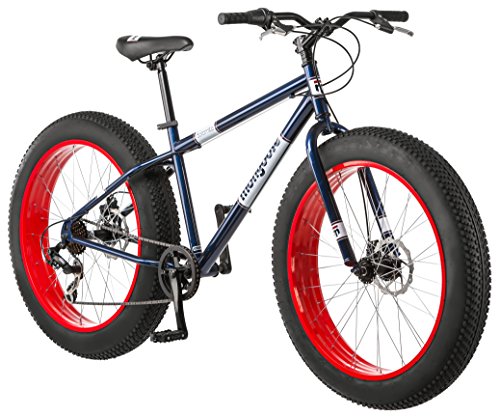
The Mongoose Dolomite brings a heavy-duty steel frame and wide 4-inch knobby tires for traction across challenging terrains. A 7-speed drivetrain offers simple gear changes for varied riding conditions, while front and rear brakes provide reliable stopping power. The bike is designed for riders who want a capable fat-tired option that can handle diverse off-road adventures with solid stability and predictable handling.
Glerc Mars Kids Mountain Bike

This youth-oriented fat-tire model uses a SHIMANO 6-speed drivetrain to help with uphill climbs and faster cruising. The 2.8-inch wide tires offer stability on sand, snow, and uneven surfaces, while front and rear mechanical disc brakes contribute reliable stopping power for safe riding. The bike is tailored to younger riders, with height-adjustable considerations and a design that supports growing riders while maintaining traction on mixed terrain.
Omelaza 26 Inch Fat Tire Mountain Bike

The Omelaza model offers four-inch wide fat tires for enhanced traction across all terrains and dual aluminum disc brakes for strong, controllable stopping power. Its seven-speed setup enables riders to range from easy cruising to challenging climbs, providing a versatile option for exploring gravel trails, snow, mud, and dirt roads. The frame blends aluminum and carbon elements to balance strength with weight and durability.
Buying Guide: Key Factors for 28 Inch Fat Tire Bikes
- Wheel size and tire width: While many fat-tire bikes in this list use 26-inch wheels, look for models with 4-inch wide tires for maximum surface contact and stability in sand, snow, and mud. Ensure the overall bike geometry supports your height and riding style.
- Frame material and durability: Steel frames offer rugged durability and weight, while aluminum or alloy frames can reduce weight and improve handling. Consider rider weight capacity and the expected terrain to determine the best balance of stiffness and resilience.
- Gear system: A higher number of speeds (for example, 21-speed) provides more tuning options for hills and varied terrain. Simpler drivetrains (7-speed) can be sufficient for casual riders but may limit performance on steep grades.
- Braking system: Disc brakes (mechanical or hydraulic) provide consistent stopping power in wet or muddy conditions. Front and rear disc brakes are common on fat-tire bikes and contribute to safer confidence on off-road trails.
- Suspension and comfort: Front suspension improves ride quality on rough terrain, while a rigid/fixed fork may suffice for smoother dirt roads. Evaluate suspension based on typical riding surfaces and desired comfort level.
- Fit and ergonomics: Height range recommendations are important for comfort and control. Check standover height, saddle position, and handlebar reach to ensure a comfortable riding posture for long sessions.
- Intended use: If you plan mixed-use riding, choose a model with versatile gearing, reliable brakes, and robust tires suited to diverse terrains. If you mainly ride on snow or soft sand, prioritize traction and stability features.
- Maintenance and parts availability: Look for brands with widely available replacement tires, tubes, and brake components. This reduces downtime and keeps ownership affordable over time.
- Weight considerations: Fat-tire bikes tend to be heavier than standard mountain bikes. If you frequently transport or lift the bike, factor in weight when making a choice.
All selected models emphasize traction, stability, and versatile gearing to help riders navigate varied conditions. When evaluating 28 inch fat tire bikes, consider your local terrain, typical weather, and comfort preferences to choose the best overall fit for your adventures.