The following wave-style bike racks are highlighted for safety, durability, and ease of use in commercial spaces, sidewalks, schools, and residential setups. Each option emphasizes a continuous, edge-free wave design to minimize injuries while maximizing bike storage capacity. Below you’ll find five top choices with key features, plus a practical buying guide to help you compare installation options, materials, and security considerations.
| Product | Brand | Capacity | Mount Type | Material |
|---|---|---|---|---|
| Global Industrial 41″ L Wave Bike Rack | Global Industrial | 5 bikes | Flange mount | Powder-coated steel |
| Global Industrial 68″ L Wave Bike Rack | Global Industrial | 7 bikes | Flange mount | Powder-coated steel |
| Sandbaggy Commercial Loop Wave Bike Rack | Sandbaggy | 5 bikes | In-ground | Powder-coated steel |
| Global Industrial 94″ L Wave Bike Rack | Global Industrial | 9 bikes | Flange mount | Powder-coated steel |
| Sandbaggy Commercial Dual Loop Wave Bike Rack | Sandbaggy | 5 bikes | In-ground | Galvanized steel |
Source note: The selections emphasize wave-form designs for safer, edge-free bike parking with robust, weather-ready finishes suitable for outdoor and high-traffic environments. Each option offers a distinct mounting approach and capacity to match different space constraints and security needs.
Global Industrial 41″ L Wave Bike Rack
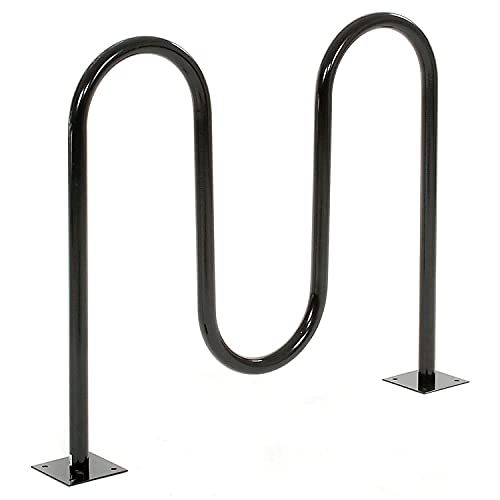
Features emphasize rugged 12-gauge steel construction with a polyester powder coat finish. The wave design minimizes sharp edges, enhancing user safety in busy environments like stores, parks, and schools. This model provides a practical five-bike capacity and flange mounting for stable, surface-fixed installation. The finish protects against weathering and corrosion, supporting long-term outdoor use in varied climates.
Global Industrial 68″ L Wave Bike Rack

This flange-mounted option supports seven bikes with a durable 12-gauge steel frame and a black polyester powder coat finish. The wave configuration reduces risk of injury by eliminating sharp edges while delivering a high-capacity solution for corridors, campuses, and transit hubs. It’s built for heavy use in commercial settings where vandal resistance and long-term maintenance are considerations.
Sandbaggy Commercial Loop Wave Bike Rack
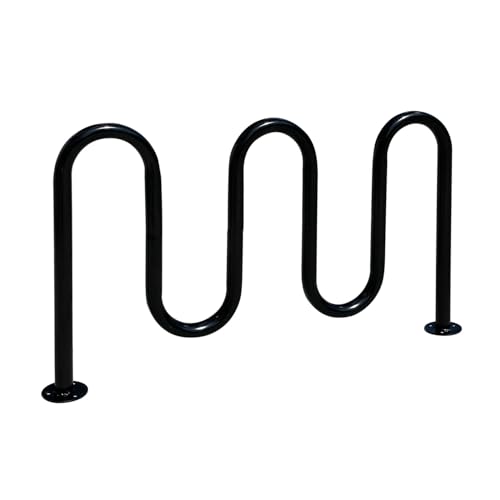
Designed with an anti-theft one-piece construction, this in-ground wave rack ships fully assembled and requires no on-site assembly. It offers long-lasting durability with a weather-resistant powder coating and secure, upright parking. The in-ground installation features enhanced stability (fasteners not included), making it a solid choice for sidewalks, apartments, and industrial grounds seeking bottom-fixed security for multiple bicycles.
Global Industrial 94″ L Wave Bike Rack

This long, flange-mounted rack accommodates up to nine bikes and features a black polyester powder coat finish for exterior resilience. It is designed to anchor into cement or other solid surfaces, with anchors sold separately. The extended length provides broad reach for high-density parking zones and institutional facilities seeking organized, uniform bike storage with a protective wave profile.
Sandbaggy Commercial Dual Loop Wave Bike Rack

This galvanized steel wave rack is built for rust resistance and durability in outdoor environments. The two-loop in-ground design provides stability and holds up to five bikes in a row, accommodating various bicycle styles. It’s ideal for campuses or commercial exteriors needing a reliable, weatherproof solution that resists corrosion over time.
Buying Guide: Key Considerations for Wave Style Bike Racks
- Mounting method: Flange-mounted racks offer quick installation on concrete or pavement, while in-ground installations provide superior stability for high-traffic areas and long-term permanence. Consider whether you need temporary or permanent solutions based on foot traffic and maintenance plans.
- Capacity: Determine the number of bikes you must accommodate. Wave racks are available in configurations for 5, 7, 9, or more bikes. Plan for peak usage and potential growth, plus space between bikes to prevent door dings.
- Material and finish: Powder-coated steel resists weather and corrosion, extending life outdoors. Galvanized steel adds corrosion resistance, particularly for salt-prone environments. Choose finishes that match surroundings and maintenance capabilities.
- Safety features: Wave designs should minimize sharp edges to reduce injury risk. A continuous curve also helps keep bikes upright and reduces wobble during parking and removal.
- Security: In-ground designs may offer greater vandal resistance in high-risk areas, while surface-mounted options are easier to relocate if needed. Consider anchor availability and compatibility with your ground type.
- Maintenance: Look for simple cleaning, rust prevention, and compatibility with standard bike sizes. Verify whether pads or protective covers are needed for wheel contacts and frame contact points.
- Brand and warranty: Reputable manufacturers typically provide longer warranties and clearer installation guidance. Check for compatibility with your existing outdoor furniture or parking infrastructure.
- Spacing and accessibility: Ensure proper spacing between bike slots, especially for wide tires or cargo bikes. Accessibility considerations include aisle width and clearance for users with mobility devices.
- Installation environment: Outdoor installations require weather-resistance, vandal resistance, and surface preparation. Indoor placements benefit from compact footprints and easy cleaning around the rack area.
Across the options listed, wave-style racks emphasize a safer, streamlined profile with robust construction to withstand daily use in busy environments. When selecting a model, balance capacity, mounting method, material durability, and security requirements to match your site’s specific needs and maintenance capabilities.