Choosing the right no-pedal bike helps toddlers develop balance, coordination, and confidence before transitioning to a pedal bike. This guide highlights five top-rated options, noting design features, growth potential, and safety considerations. Each product below is focused on stability, easy handling, and age-appropriate riding for active little ones.
Summary of chosen products:
- KRIDDO Toddler Balance Bike (12″ wheels, customize stickers, White)
- SEREED Toddler Balance Bike with Plate and Stickers (White)
- SEREED Baby Balance Bike 12-24 Months (4 wheels, first ride)
- JMMD 6-in-1 Toddler Bike with Push Handle (12″ wheels, 18-60 months)
- Bobike Toddler Balance Bike (Adjustable seat/handlebar, 2-5 years)
All five options focus on balance training and safe, low-stress progression from pushing to gliding to independent steering. The list accommodates different ages within the toddler window, up to early preschool years, while emphasizing sturdy frames, adjustable components, and age-appropriate wheel design.
KRIDDO Customized Balance Bike for Toddlers

The KRIDDO model presents a 12-inch wheel balance bike designed for ages roughly 24 months through 5 years. It includes a “Customize Plate” with three sets of stickers, allowing kids to personalize their ride. With a focus on easy handling and a low center of gravity, this bike supports early balance skills while encouraging imaginative play through stickers.
Key features include a sturdy build suitable for growing children and a push-bike experience that minimizes pedaling while developing steering and balance. The no-pedal approach helps toddlers transition to a pedal bike later, as their confidence increases from balancing on two wheels to independent motion.
SEREED Toddler Balance Bike With Plate And Stickers

SEREED’s balance bike emphasizes a sturdy carbon steel frame and a quick-release mechanism to adjust seat height (12.6 to 17.1 inches) and handlebar height (19.6 to 22.5 inches) without tools. The bike supports up to 110 pounds, and the design prioritizes a safe riding experience with a low center of gravity, non-slip grips, and a comfortable saddle. The set includes a customizable plate and three stickers to personalize the bike, enhancing kids’ ownership and excitement about riding.
As a no-pedal vehicle, it focuses on balance, steering, and confidence-building in early riders. The adjustable features ensure the bike grows with a child’s height, reducing the need for multiple purchases as the child ages. The plate and stickers add an element of creative expression that resonates with many toddlers and parents alike.
SEREED Baby Balance Bike 12-24 Months

Designed for the youngest riders, this SEREED model targets ages 12-24 months. It emphasizes balance and coordination development through a no-pedal, stable design. The bike features a widened wheelbase and low-step frame to promote safe, confidence-building rides. Its lightweight construction and age-appropriate dimensions help parents guide toddlers as they discover balance and movement, both indoors and outdoors.
This option prioritizes safety with a stable and gentle learning curve, preventing leg entanglements and offering gradual exposure to balance tasks. The design supports early walking and riding integration, making it a strong first-bike choice for very young children entering the world of independent motion.
JMMD 6-in-1 Toddler Bike With Push Handle

JMMD’s 6-in-1 design provides a lifecycle-friendly bike suitable for ages 18 to 60 months. It converts from a parent-push trike to a balance bike, toddler bike, and more, reducing the need to buy multiple devices. The bike features a 12″ wheel set with all-terrain, puncture-proof tires, a hand brake, and a limited steering angle to reduce tipping risks. A foldable or adjustable push handle lets caregivers guide the ride, while the seat and handlebars are height-adjustable for growth compatibility.
The gear-free system aims to provide smooth, safe control and minimizes the chance of pedal-related injuries during learning. This 6-in-1 approach makes it a versatile option for families seeking a single, long-lasting investment that matches a child’s development from early walking to more confident riding.
Bobike Toddler Balance Bike With Adjustable Components
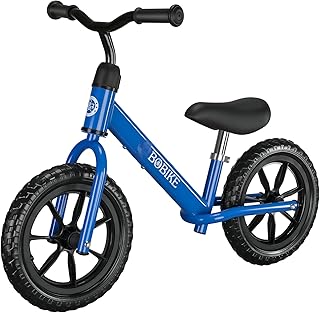
Bobike’s balance bike targets ages 2-5 years and emphasizes an adjustable seat and handlebar to accommodate growth. The design focuses on balance training while offering a robust carbon steel frame for durability. This model is positioned as an approachable entry point for kids to learn balance and steering with minimal assistance, promoting early independence on two wheels. Quick assembly means families can start riding sooner, with a simple setup that fits typical toddler play spaces.
As with other no-pedal bikes, Bobike centers on balance-first riding, leaning into a design that curtails over-reliance on pedaling and supports a natural progression to pedal bikes. Its child-friendly ergonomics and growing adjustability make it a practical choice for households seeking a longer-lasting balance bike.
Buying Guide: Key Purchase Considerations for Toddler No-Pedal Bikes
- Age and height fit: Choose a bike with an adjustable seat and handlebar to match your child’s growth. Start with a low seat height so the child can touch the ground with both feet when seated.
- Weight and materials: Light yet sturdy frames (aluminum or steel) ease handling by both kids and parents. Ensure the bike can support the child’s current weight and some growth.
- Wheel design and traction: 10-12 inch wheels are common for toddlers. Look for wide, non-slip tires and a stable wheelbase to reduce tipping.
- Balance-first approach: No-pedal bikes help children learn balance, steering, and coordination before pedaling. This typically leads to smoother transitions to pedal bikes later.
- Safety features: Look for padded handlebars, a secure saddle, and limited steering angles. Quick-release adjustments are handy but ensure they stay locked during use.
- Grow-with-child versatility: Consider bikes with multi-mode configurations or easily adjustable components so the same model remains suitable for several years.
- Personalization and motivation: Some bikes offer plates and stickers for customization, which can boost engagement and ownership in young riders.
When selecting, weigh the child’s current readiness against future needs. A model with adjustable seating and handlebars reduces the number of purchases required as your child grows. For families needing to switch between parent-guided and independent riding, a push handle or progression-ready frame adds value. Finally, assess whether you want a bike that emphasizes basic balance alone or one that also offers transitional features toward pedaling as the child ages.