Split-seat designs and noseless saddles can dramatically improve comfort on long rides by reducing pressure on sensitive areas and increasing thigh clearance. This guide highlights five top options that emphasize split noses, ergonomic shaping, and support for a variety of cycling styles—from road to mountain and stationary bikes. Each product is chosen for proven comfort, adjustability, and durability to help you find a saddle that minimizes numbness and fatigue while riding.
| Product | Brand | Type | Notes |
|---|---|---|---|
| HUGEOAKS Width Adjustable Bike Seat | HUGEOAKS | Width Adjustable / Prostate Friendly | Three width options; arc-shaped support |
| X WING Comfort Bike Seat (City) | X WING | 5-Zone / Memory Foam | Innovative winged design; excellent ventilation |
| ISM PR Series Noseless Bicycle Seat | ISM | Noseless / Anatomic Relief | Reduced numbness; optimized rear end |
| X WING Comfort Bike Seat (Trekking) | X WING | 5-Zone / Memory Foam | Similar concept, trekking-focused |
| Serfas RX Saddle | Serfas | Gel Padding / Center Channel | Pressure relief; versatile for many rides |
| LCYMD Comfortable Seat Cushion | LCYMD | Wide Saddle Cushion | Double shock absorption; water resistant |
HUGEOAKS Width Adjustable Bike Seat

The HUGEOAKS saddle offers a width-adjustable design with three size options: 7.08, 7.87, and 8.66 inches. This versatility helps fit riders of varying sit bone widths, potentially improving comfort on long rides. Its ergonomic curvature aims to distribute pressure across the buttocks more evenly, reducing tailbone and lower-back strain during cycling. The arc-shaped hardware is constructed from 304-grade spring steel to provide stability and resilience, with a horizontal support tail designed to balance the seat under heavy loads. This combination aims to cushion rough terrain while supporting sustained pedaling motion.
X WING Comfort Bike Seat (City) with 5-Zone Concept
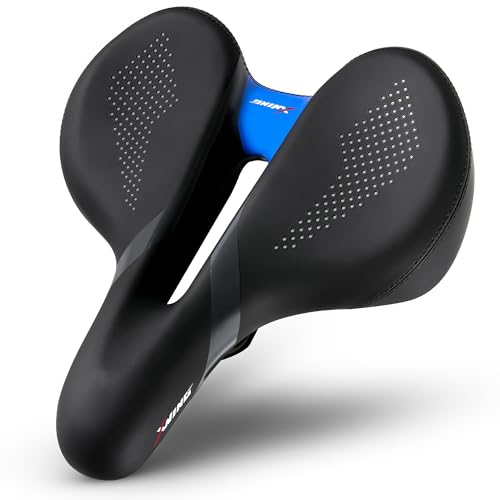
This X WING design features a 5-zone concept and memory foam to distribute pressure evenly across the seating area. The patented WING Shape expands contact surfaces to minimize pressure concentration, helping to prevent numbness and discomfort on long rides. The seat prioritizes ventilation to keep riders cool and comfortable, whether on city streets or longer commutes. The memory foam adapts to body contours for a personalized feel, while the extended contact area supports a more natural sitting position across diverse terrains.
X WING Comfort Bike Seat (Trekking)

This Trekking variant follows the same 5-zone memory foam approach as the city model, offering a slightly different footprint and dimensions for riders who require more surface area. The winged design helps spread weight more evenly, reducing pressure points during long rides and tours. Enhanced ventilation supports heat management on warm days or intense climbs, while the memory foam maintains adaptiveness to individual anatomy for continued comfort over time.
Serfas RX Saddle

The Serfas RX Saddle emphasizes gel padding and a pressure-free center channel to alleviate numbness and chafing. Its ergonomic design molds to the rider’s shape and absorbs road shocks, improving comfort on long cruises or mixed-terrain outings. The center channel and airflow-oriented design aim to maintain comfort across upright and forward-leaning riding positions, making it a versatile choice for commuters and recreational riders alike.
LCYMD Comfortable Seat Cushion
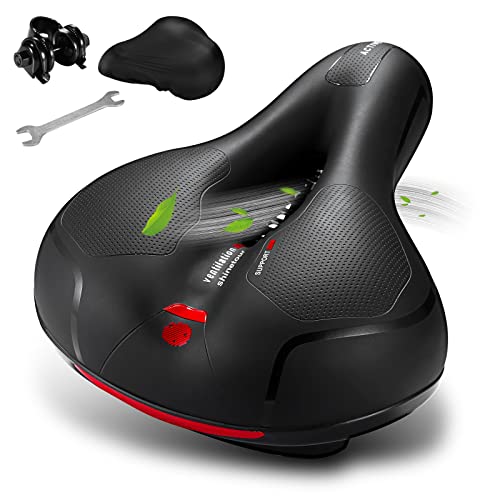
This wide saddle cushion emphasizes double shock-absorbing balls beneath the seat to dampen bumps and vibrations. The cushion measures 9.7 by 8 by 3.7 inches and includes saddle adapters, mounting wrench, and a waterproof cover for added versatility. High-density memory foam padding, non-slip wear-resistant leather, and an airflow vent support breathability. The design targets both men and women seeking a comfortable ride on road bikes or casual commutes with improved cooling and stability.
Buying Guide
Key purchase considerations for split-seat or noseless saddles include fit and width, pressure distribution, and riding style. If you ride long distances or suffer from numbness, consider noseless or winged designs with memory foam and wide contact areas. For upright commuters, ventilated seats with center channels can help with airflow and comfort. Adjustability in width or shape is valuable for mixed riders and those who share a bike. Material durability, padding density, and edge ergonomics influence long-term comfort and thigh clearance. Compare weight, mounting compatibility, and whether a saddle includes installation tools or a mounting adapter. Finally, ensure the saddle aligns with your bike’s seat post and frame geometry to maximize performance and comfort on diverse terrains.
Other perspectives include budget-conscious options that still offer ergonomic benefits, ergonomic-focused designs that prioritize blood flow and reduced numbness, and versatile housings that accommodate both road and mountain biking. For stationary bikes, consider seats with robust padding and sweat-resistant covers for longer workouts. If possible, test seats with a small trial period to verify comfort before committing to a long-term purchase.