finding the right spin bike speed sensor can improve workout metrics, cadence consistency, and training planning. The following picks are compatible with indoor spin bikes and popular apps like Zwift, Peloton Digital, and Wahoo Fitness. Each option supports Bluetooth and/or ANT+ connections, offering real-time data and easy installation. Use this guide to compare sensor types, app compatibility, and installation requirements to choose the best sensor for your setup.
Summary Of Selected Products
| Product | Brand | Key Benefit | Connectivity |
|---|---|---|---|
| Wahoo RPM Cycling Cadence Sensor | Wahoo Fitness | Accurate cadence with dual-band support | ANT+/Bluetooth |
| Magene S3+ Speed/Cadence Sensor | Magene | Dual-mode, multi-device testing | Bluetooth/ANT+ |
| MOOFIT Speed/Cadence Sensor | moofit | Dual-protocol and broad app compatibility | ANT+/Bluetooth |
| Garmin Wireless Speed & Cadence Sensor 2 Bundle | Garmin | Self-calibrating with Garmin devices | ANT+/Bluetooth |
| COOSPO Bicycle Cadence & Speed Sensor | CooSpo | Two sensors for simultaneous speed and cadence | Bluetooth/ANT+ |
Wahoo RPM Speed & Cadence Sensor
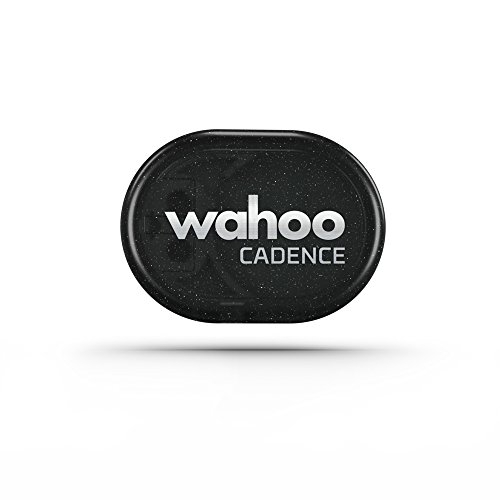
The Wahoo RPM Speed & Cadence Sensor combines cadence and speed tracking for indoor and outdoor cycling. It pairs with popular training apps such as Wahoo SYSTM, RGT, Zwift, and Peloton Digital via Bluetooth. This dual-band sensor enables real-time cadence data, helping riders optimize pedal revolutions per minute for efficiency and endurance. Its compact design attaches to the crank or wheel hub and works with compatible bike computers and smartphones through ANT+ and Bluetooth Smart. The sensor is designed for quick setup, with real-time data visibility across supported devices.
Key features include real-time cadence measurement—vital for pacing workouts and interval training—and speed tracking at given road or trainer resistance. The dual-band technology ensures broad device compatibility, allowing users to switch between apps without changing hardware. The Wahoo RPM offers a straightforward upgrade path for riders seeking consistent cadence metrics alongside speed, making it a strong all-around choice for spin bikes and mixed-bike workouts.
Magene S3+ Speed/Cadence Sensor
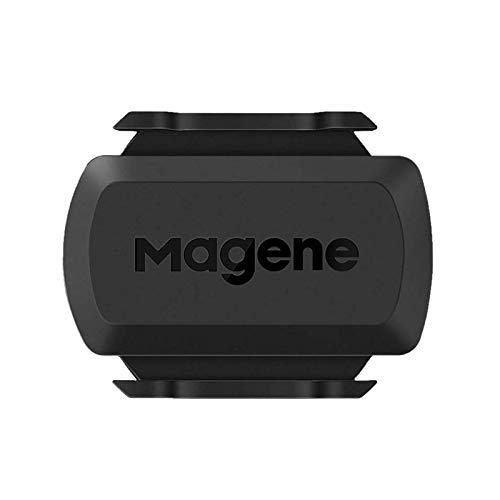
The Magene S3+ combines speed and cadence sensing in a compact unit with dual Bluetooth and ANT+ compatibility. It supports road bikes, spinning bikes, and trainers, and is designed for use with popular platforms like Onelap, Wahoo Fitness, and Zwift. Note that the sensor mode must be chosen (speed or cadence) per device, and a second sensor is recommended if you want to test both metrics in a single setup. The S3+ is a flexible option for riders who want reliable data across multiple devices while keeping a small, aerodynamic form factor.
For users concerned with multi-device connections, remember that Bluetooth typically connects to one app at a time, while ANT+ may support multiple devices simultaneously. Battery handling is straightforward, but users should follow the pre-installation instructions (such as removing/installing the insulating sheet) to ensure proper operation. The Magene S3+ is a solid choice for those who value compatibility and modular setup across training ecosystems.
MOOFIT Speed/Cadence Sensor

The MOOFIT cadence and speed sensor offer dual-protocol operation via ANT+ and Bluetooth, enabling broad compatibility with bike computers and cycling apps. This sensor suite supports real-time cadence data and speed tracking, making it suitable for training plans and performance monitoring. The device emphasizes reliable tracking with upgraded chips for accuracy, and it’s designed for straightforward installation on most crank arms. Users benefit from cross-platform app support, including popular ecosystems like Wahoo Fitness, Rouvy, and Peloton-compatible riders.
Pros include dual-protocol connectivity and broad app compatibility. Potential considerations are ensuring you pair with the correct app and acknowledging that some features may require app-specific subscriptions. Overall, the MOOFIT sensor provides dependable cadence and speed data for riders who want a versatile, multi-app sensor that works across devices.
Garmin Wireless Speed & Cadence Sensor 2 Bundle

The Garmin Sensor 2 Bundle self-calibrates with Garmin Edge devices or other compatible Garmin products, delivering accurate speed and distance data even when a head unit isn’t present. The cadence sensor attaches to any crank arm, measuring pedal strokes per minute, so you can optimize workouts and track training progression. Both sensors use ANT+ and Bluetooth Low Energy to send live data to training apps and displays, enabling flexible integration with Garmin Connect, third-party apps, and compatible bike computers.
Considerations include ensuring your Garmin device supports the sensors and that firmware is up to date for smooth synchronization. The bundle is ideal for Garmin-centric setups or riders who want reliable data across multiple training environments, including open-rider and indoor trainer sessions. The combination of calibration, ease of mounting, and cross-device data sharing makes this a strong option for serious cyclists using Garmin ecosystems.
COOSPO Bicycle Cadence & Speed Sensor

The COOSPO set includes one speed sensor and one cadence sensor, enabling simultaneous tracking of both metrics on compatible devices. It supports Bluetooth and ANT+ connections, with multi-device compatibility depending on protocol. This pairing is advantageous for riders who want to monitor speed and cadence concurrently across multiple apps and bike computers. Users should follow setup instructions for app pairing, as Bluetooth connections often require sensor selection through the device’s Bluetooth settings or the respective cycling app.
Strengths include the ability to run speed and cadence data in parallel and broad compatibility with popular platforms like Peloton, Wahoo, and Rouvy. Potential limitations include mode selection per device and ensuring you don’t exceed concurrent connection limits on certain apps. Overall, COOSPO’s dual-sensor approach provides a flexible path to comprehensive ride analytics for indoor and outdoor cycling alike.
Buying Guide: Key Purchase Considerations
- Connectivity: Choose sensors with ANT+ and Bluetooth to maximize compatibility with your bike computer, smartphone, and apps.
- Single vs. dual sensor setup: Decide if you need separate devices for speed and cadence or a single unit that covers both metrics.
- App and device compatibility: Verify that your preferred apps (Zwift, Peloton, Wahoo SYSTM, etc.) support the sensor’s data format and connection type.
- Calibration and accuracy: Look for sensors with proven calibration methods and reliable data transmission for training consistency.
- Installation and compatibility: Ensure the sensor can attach securely to your crank arm or wheel hub without magnets, and confirm it works with your bike’s frame and trainer.
- Battery and maintenance: Check battery type, replacement frequency, and any required pre-use steps (like removing insulating sheets) to avoid downtime.
- Durability and IP rating: For spin bikes in gym-like environments, IP67 or similar waterproof ratings can help with sweat exposure and cleaning.
- Data sharing and ecosystem: Consider how easily data can be exported or synchronized across devices, and whether you prefer a brand-locked ecosystem or cross-brand compatibility.