Finding the right speed sensor for a stationary bike or trainer can improve training data, cadence analysis, and overall workout planning. This guide highlights five top-rated options that work with common Bluetooth and ANT+ ecosystems, spanning budget and feature sets. Each product section provides an overview, key capabilities, and integration notes to help you choose the best sensor for your cycling setup.
Product Snapshot
| Product | Brand | Key Tech | Connectivity | Ideal For |
|---|---|---|---|---|
| Magene Outdoor/Indoor Speed/Cadence Sensor | Magene | Speed and Cadence modes, dual-mode handling | Bluetooth, ANT+ | Users who want separate speed and cadence units |
| Wahoo RPM Cycling Cadence Sensor | Wahoo Fitness | Speed & Cadence tracking | Bluetooth, ANT+ | Smartphone and bike computer users with Wahoo ecosystem |
| iGPSPORT CAD70 Cadence Sensor | iGPSPORT | Cadence with independent algorithms | Bluetooth, ANT+ | Broad compatibility across devices |
| Garmin Bike Speed 2 & Cadence 2 Sensor | Garmin | Hub-based speed sensor, crank-based cadence | Bluetooth, ANT+ | Garmin Edge and other Garmin devices |
| CYCPLUS Cycling Speed & Cadence Sensor (C3 X 2) | CYCPLUS | Two sensors in one package | Bluetooth, ANT+ | Multi-protocol requiring dual readings |
Magene Outdoor/Indoor Speed/Cadence Sensor
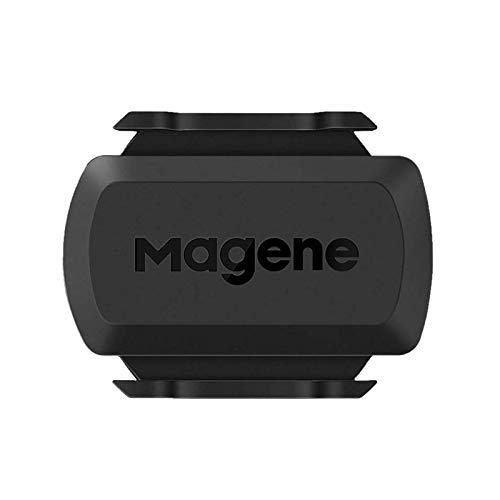
The Magene speed/cadence sensor is designed for both outdoor cycling and indoor training. It supports a dedicated speed mode or cadence mode, and requires separate sensors if you want to track both metrics simultaneously. The device features a pre-installed battery with a removable insulating sheet for initial setup and mode switching. When using Bluetooth, a single sensor connects to one app or device at a time, while ANT+ enables connections to multiple devices concurrently. This flexibility makes Magene suitable for users who want to pair with multiple apps or bike computers without swapping hardware.
Its dual-mode capability makes it a practical option for riders who rotate between road bikes and spinning bikes or trainers. Installation is typically simple, with hub or crank placements depending on your bike setup. While the product is marketed to work across platforms like OneLap, Wahoo, and Zwift, users should verify compatibility with their preferred applications and devices. Battery life and ease of calibration are important considerations for long sessions and frequent data collection.
Wahoo RPM Cycling Cadence Sensor
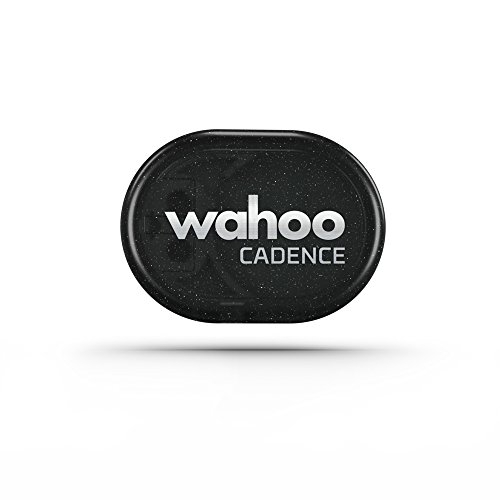
The Wahoo RPM sensor provides real-time cadence data and, when paired with compatible apps, can support speed measurements as well. It integrates with ANT+ and Bluetooth Smart, enabling connections to smartphones, tablets, bike computers, and training apps like Zwift, SYSTM, RGT, and more. This sensor is a well-known option for cyclists seeking a straightforward cadence readout that complements a Bluetooth-enabled training ecosystem. It emphasizes cadence training and efficiency, with the potential to track improvements over time as you adjust pedal strokes.
Users should consider their preferred training apps and devices, as the RPM sensor’s dual-band approach ensures broad compatibility. The device is especially useful for riders aiming to optimize cadence and pedaling technique, rather than solely tracking speed. Setup is designed to be quick, and measurements can be shared across supported platforms, enriching your data during indoor sessions and outdoor rides alike.
iGPSPORT CAD70 Cadence Sensor

The CAD70 Cadence Sensor from iGPSPORT focuses on precise cadence measurement with independent algorithms designed to deliver accurate RPM data. It supports Bluetooth 5.0 and ANT+ transmissions, allowing connections to a wide range of smart devices and bike computers. The sensor emphasizes compatibility with major platforms and long battery life, making it suitable for extended training blocks. Its waterproofing and simple replacement of batteries contribute to reliable performance in varied indoor environments.
Ideal for riders who want dependable cadence data across multiple devices and apps, the CAD70 system integrates seamlessly with both popular cycling apps and bike computers. It’s a practical choice for users who value precise cadence readings and robust cross-compatibility, especially when training indoors with spin bikes or other trainers.
Garmin Bike Speed 2 and Cadence 2 Sensor

The Garmin Speed 2 and Cadence 2 Sensor package attaches the speed sensor to the wheel hub and the cadence sensor to the crank arm. It calibrates with Garmin Edge cycling computers or compatible Garmin devices to deliver accurate speed, distance, and cadence data. The setup supports both ANT+ and Bluetooth Low Energy, enabling live data transfer to training apps and displays. The cadence sensor helps quantify pedal strokes per minute, providing a holistic view of training intensity and efficiency.
Garmin’s sensors are particularly attractive to users within the Garmin ecosystem, ensuring smooth interoperability with Edge devices and native Garmin training platforms. The combination of hub-based speed sensing and crank-based cadence sensing makes this package suitable for a wide range of bikes and trainer setups, including stationary bikes that require stable, continuous data capture during indoor sessions.
CYCPLUS Cycling Speed & Cadence Sensor (C3 X 2)

The CYCPLUS kit includes two sensors that provide both speed and cadence measurements. It supports Bluetooth and ANT+ multi-protocol connectivity, enabling compatibility with a broad range of devices and apps. The dual-mode functionality allows users to switch between cadence and speed with a simple toggle. The sensors are described as compact and lightweight, designed to minimize any effect on bike aesthetics and performance. With long endurance and a sleep mode for inactivity, they are suited for frequent training sessions and long rides on indoor trainers.
For riders who want a cost-effective, multi-sensor setup that covers both speed and cadence in one package, CYCPLUS offers a convenient option. The dual-sensor arrangement also provides flexibility for testing or comparing data across two units, which can be valuable for calibration or cross-device validation on indoor training days.
Buying Guide: Key Considerations For Speed And Cadence Sensors
- Connectivity: Choose between Bluetooth, ANT+, or dual-band sensors based on your devices. ANT+ often offers broader compatibility with bike computers, while Bluetooth is widely supported by smartphones and tablets.
- Single vs. Dual Sensors: If you want both speed and cadence, decide whether to buy a dual-sensor package or separate units. Some kits include two units that can be positioned at different points on the bike.
- Mounting and Compatibility: Ensure the sensor mounts fit your wheel hub and crank arm, and that your trainer or spinning bike is compatible with the sensor’s mounting method.
- Battery Life and Maintenance: Long battery life reduces interruptions during workouts. Check instructions for replacing batteries and any protective features like IP ratings for indoor use.
- Data Accessibility: Consider whether you need live data to feed into multiple apps or devices, and whether the sensor supports live telemetry over Bluetooth, ANT+, or both.
- Calibration and Accuracy: Look for sensors with independent algorithms or proven accuracy in measuring cadence and speed, especially if you rely on precise metrics for training plans.
- Durability and Waterproofing: For indoor training, IP-rated sensors help withstand sweat and humidity. This is particularly relevant for spin bikes and high-intensity sessions.
- App Ecosystem: If you use apps like Zwift, Peloton Digital, or Wahoo Fitness, verify compatibility and ease of data integration to avoid data gaps between platforms.
- Price vs. Features: Balance budget with essential features such as dual-mode operation, dual sensors, and cross-platform compatibility. Higher-priced options often offer broader ecosystem support and more robust builds.
- Future-Proofing: Consider sensors that can pair with future devices or updates in your training setup to avoid frequent replacements.
Choosing the right speed or cadence sensor depends on your training goals, devices, and preferred apps. The options above balance compatibility, data fidelity, and ease of use to help you optimize cadence, speed, and overall cycling performance on stationary bikes and trainers.