Indoor cycling has evolved with smart trainers that deliver realistic road feel, precise power data, and immersive app experiences. This guide highlights five leading options that pair well with Zwift, Rouvy, and other training platforms. Each product section provides a quick overview, key features, and what makes it a solid choice for serious cyclists looking to train indoors year-round.
Summary of chosen products:
- Wahoo Fitness KICKR CORE 2 Zwift COG and Click – Orange Cog 3rd Generation
- Wahoo Fitness KICKR CORE 2 11 Speed Cassette
- ThinkRider X2Max Smart Bike Trainer Cycle Trainer
- Saris M2 Smart Indoor Electromagnetic Trainer
- Sportneer Smart Bike Trainer
Wahoo KICKR CORE 2 Zwift COG and Click

The KICKR CORE 2 ZWIFT COG and Click builds on the trusted KICKR heritage, offering faster setup, improved connectivity, and integration with key features from the KICKR ecosystem. Designed to be a smart way to start indoor riding, it emphasizes a road-like ride feel and robust performance for structured training blocks. The device is built to handle hard efforts while delivering consistent resistance for repeatable workouts.
Key strengths include a legendary ride feel that resembles real roads, smooth resistance, and the durability needed for rigorous indoor sessions. This trainer is designed to pair smoothly with Zwift and other popular training apps, helping riders track power, cadence, and speed with reliability. Setup is streamlined to minimize friction so you can begin focused sessions quickly.
Wahoo KICKR CORE 2 11 Speed Cassette

This entry emphasizes the KICKR CORE’s continued emphasis on smart indoor training with an enhanced 11-speed cassette compatibility. It retains a quick, reliable setup, improved connectivity, and the core KICKR ride feel that athletes rely on for structured workouts. The 11-speed compatibility broadens gear choices for varied training demands, from endurance blocks to high-intensity intervals, without compromising the realism of resistance.
Riders benefit from smooth, road-like resistance that supports high-intensity efforts while maintaining accuracy and stability. The design supports consistent power output and realistic drivetrain engagement, making it suitable for athletes who want a dependable platform for persistent training and progression over weeks and months.
ThinkRider X2Max Smart Bike Trainer
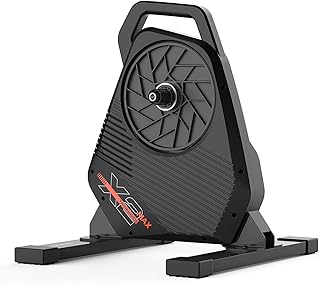
The ThinkRider X2Max combines strong compatibility with mainstream cycling software via BLE and ANT+ dual mode, enabling seamless integration with Zwift, Rouvy AR, and other platforms. It delivers a powerful power output up to 2000W with a claimed power meter error of ±2%, making it suitable for serious performance testing and training blocks where precise data matters.
A notable feature is the intelligent tilt simulation—an 18% slope resistance that adjusts automatically to match map tilt in connected software. This creates a more realistic indoor riding experience, enhancing engagement during workouts that simulate real-world climbs and descents while maintaining control and predictability for workouts and FTP tests.
Saris M2 Smart Indoor Trainer

The Saris M2 is a wheel-on trainer that facilitates quick setup by attaching to the rear wheel, with a reported noise level around 69 decibels at 20 mph. It offers +/- 5% power accuracy and relies on electromagnetic resistance to provide controlled, consistent workouts. This setup can be appealing for riders who want a straightforward, no-fuss indoor experience while maintaining reliable data for training logs and performance tracking.
The M2 emphasizes stable resistance and reliable data capture, important for training blocks where consistent measurements guide improvements. It’s compatible with Zwift and similar apps, creating an accessible entry point for riders seeking to build fitness indoors without sacrificing data reliability.
Sportneer Smart Bike Trainer

The Sportneer trainer emphasizes broad wheel compatibility for 26-29″ and 700C wheels, supporting both road and mountain bikes. It offers Bluetooth 4.0 and ANT+ connectivity to pair with Zwift and other apps. A standout is its broad device compatibility with smartphones, tablets, computers, and Apple TV, plus integrated sensors that measure power, speed, and cadence for recording data on a connected device.
While it includes a quick-release skewer for easy setup, users with thru-axle bikes may need an adapter. This trainer suits riders seeking flexible hardware compatibility and app versatility without specialized gear changes. It enables immersive workouts with a wide range of supported apps, helping riders explore virtual routes and structured training plans.
Buying Guide: Key Purchase Considerations
Targeted performance needs shape the best trainer choice. Consider power accuracy, maximum resistance, and real-world ride feel, which influence training quality and progression. If you ride serious intervals or long climbs, prioritize trainers with high wattage support and low resistance variability to ensure consistent data across workouts.
Software compatibility is essential. Ensure the trainer plays well with your preferred apps (Zwift, Rouvy AR, Kinomap, etc.), and verify ANT+ and BLE support for seamless pairing with devices. Data reliability matters for FTP tests, race simulations, and progression tracking over months.
Setup, maintenance, and noise levels affect daily use. Wheel-on options offer quick mounting but may introduce drivetrain wear if used frequently; wheel-off systems can be quieter and cleaner but require more setup. Noise tolerance matters for home environments and late-evening sessions.
Wheel compatibility and frame fit influence purchasing. Check wheel size compatibility (26″–29″ and 700C ranges) and axle types. Some trainers include skewers or adapters, while others require separate purchases for thru-axle bikes. Consider your bike’s specifications and any potential adapter needs.
Budget and value depend on features such as maximum simulated incline, power accuracy, and software ecosystem. A higher upfront cost can yield long-term resilience through better integration, more stable data, and extended compatibility with future devices and apps. Compare overall ecosystems to maximize long-term utility.