Choosing the right starter ride for a child can be challenging. This guide highlights top scooter and balance bike options that support balance, coordination, and confidence for kids from toddlers to early school age. Each pick is evaluated for safety features, durability, and ease of use, helping parents decide between a traditional balance bike or a scooter-with-seats as a stepping stone to full-sized bicycles.
| Product | Brand | Age/Size Range | Highlights |
|---|---|---|---|
| Schwinn Elm and Koen Bike | Schwinn | 12-20 inch wheels; 30″–54″ tall | Ergonomic design; adjustable seat; training wheels option |
| Bixe Balance Bike 16″ | Bixe | Ages 4–9 | No pedals; balances learning; durable build |
| Razor Lightwave Balance Bike | Razor | Ages 12–30 months | Three wheels; LED lights; easy first ride |
| MOUNTALK Toddler Scooter/Balance Bike | MOUNTALK | 1–6 years | Removable seat; 3-in-1 design; CPSIA/CPSC certified |
| Bixe 12″ Balance Bike | Bixe | Ages 3–5 | Lightweight; no pedals; durable |
Schwinn Elm And Koen Bike Or Balance Bike
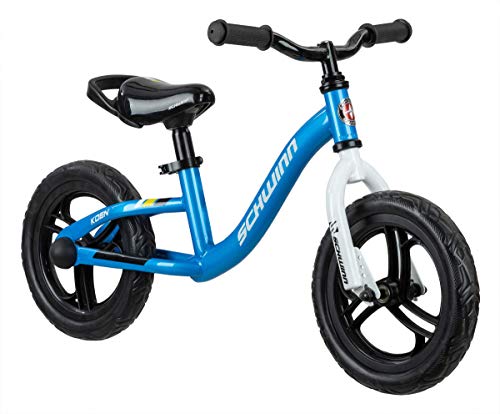
The Schwinn Elm and Koen bike provides a versatile option for kids who are learning to ride or transitioning from a balance-focused approach. With 12-20 inch wheels, the design accommodates a range of heights from roughly 30″ to 54″. The model offers a straightforward, single-speed drivetrain that helps anxious learners gain confidence on the move. Parents will appreciate the tool-free seat adjustment that lets the bike grow with their child, reducing the need for multiple purchases during early riding years. The option to include training wheels makes it a practical choice for younger beginners while still functioning as a regular bike later on.
While riders use the Schwinn Elm or Koen, they benefit from a low standover height and a balanced weight distribution that aids stability. The ergonomic design targets comfort, aiming to minimize fatigue on longer rides to the park or around the neighborhood. Though the product emphasizes learning to ride, it remains sturdy enough for daily use, and the adjustable seat supports ongoing development. This model is a solid all-around option for families seeking a transitional bike that can stay in rotation as a child grows taller and more skilled at balancing.
Bixe Balance Bike 16″ For Kids

The Bixe Balance Bike 16″ is designed to teach balance and steering first, with no pedals to complicate early attempts. Suitable for children roughly between ages four and eight, this model emphasizes a lightweight yet durable construction. It is intended to help children transition smoothly to pedal bicycles, building confidence and coordination along the way. The balance-focused approach is reinforced by tamper-resistant clamps and wheel washers, underscoring safety during the learning phase. The bike’s low weight makes it easy for kids to lift and maneuver, supporting independent practice in driveways or sidewalks.
Key considerations include the bike’s adjustability to accommodate growing legs and the stability provided by a wide wheelbase. While some parents may prefer a pedal-ready bike sooner, a balance-first method can reduce falls and help children develop core riding instincts. The 16″ wheel size is a versatile middle ground between tiny first bikes and full-sized siblings’ bicycles, making it a popular choice for growing riders.
Bixe Balance Bike 12″ For Toddlers

This Bixe 12″ balance bike is tailored for younger children who are just starting their riding journey. Weighing around 1.8 kg (approximately 4 pounds), it focuses on balance and steering without the complication of pedals. The design aims to be approachable for kids as young as three, with a lightweight build that makes it easier for both kids and parents to manage during practice sessions. Durable construction supports regular use on varied surfaces, making it a practical starter for urban sidewalks or safe backyard tracks. It’s an approachable option for families who want a stepping-stone bike before moving up to larger models.
VIZZTY Dinosaur Balance Bike For 1-3 Year Olds

The VIZZTY balance bike for toddlers adds a playful Dino theme with a four-wheel setup aimed at early walkers and balance development. Designed for ages 1–3, this option introduces a broader set of features, including a dinosaur aesthetic, kid-friendly music, and mist spray effects that engage imagination while promoting coordination. The product has safety certifications such as ASTM F963-11 and EN71, with a wide steering limit to mitigate tipping and a stable four-wheel frame to reduce falls. It’s best suited for indoor exploration and outdoor playgrounds where parents want a visually engaging first ride.
MOUNTALK Toddler Scooter And Balance Bike

The MOUNTALK 3-in-1 scooter with seat is designed for a broad age range from toddlers to early elementary kids. This versatile design transitions from a seat-equipped scooter for ages 1–3 to a standing scooter suitable for 3–6 years old once the seat is removed. This flexibility makes it a practical choice for households seeking a single ride-on solution, combining elements of balance training, motor skill development, and independent mobility. The product is CPSIA and CPSIA-qualified, reflecting a focus on safety in construction and materials, with a sturdy deck and durable metal components for extended use.
Hornit Mini Bike And Scooter Horn And Safety Light

The Hornit Mini combines a playful horn with a safety light, turning a ride into an interactive experience that can increase visibility and fun for younger riders. With 25 sound effects and multiple light modes, children can customize their ride while parents gain an audible and visual cue for safer riding in dim environments. The compact unit is designed for small handlebars and is all about fostering safe, enjoyable play. While not a standalone balance bike, it enhances the experience of scooter or balance bike use by improving awareness and engagement during rides.
Buying Guide: Key Purchase Considerations
- Age and size compatibility: Match the child’s height and leg length to wheel size and seat height. Smaller kids benefit from 12″–16″ wheels and low standover heights, while older children may outgrow these quickly.
- Learning method: Balance bikes teach balance first, pedals later, which can minimize falls. Scooters with a seat or three-wheel designs can provide a transitional experience for younger riders.
- Safety features: Look for durable frames, stable wheelbases, reliable brakes (if applicable), and certifications. Tamper-proof clamps and reinforced components add long-term safety.
- Adjustability and growth: A seat and handlebar that adjust without tools reduces the need for frequent replacements as kids grow.
- Durability vs. weight: Lighter bikes are easier for kids to manage, but must still be robust enough to withstand daily use on sidewalks and driveways.
- Footprint and storage: Consider size and portability for travel or storage in apartments or small homes.
- Accessories: Helmets, knee pads, and optional features like LED lights or horns can increase safety and enjoyment for kids learning to ride.
When selecting between a scooter-style option and a true balance bike, consider your child’s interest and confidence level. A balance-bike-first approach can support natural balance development, while a scooter-with-seat setup might be more engaging for kids who prefer propulsion and steering from the start. In environments where riders frequently encounter sidewalks, driveways, and parks, the right model offers stability, ease of use, and opportunities for incremental skill building as children grow.