Choosing the right 4-bike rack for your RV can protect bikes, simplify hitch setups, and streamline access to the trailer or motorhome. This guide highlights five top options designed for RV travel, bumper or hitch mounting, and easy loading. Each rack supports up to four bikes and includes safety features to minimize sway and movement on the road. Explore rugged build quality, locking options, and quick-access designs to match your RV lifestyle.
| Product | Brand | Type | Load Capacity |
|---|---|---|---|
| Swagman RV Approved 4-Bike Bumper Rack | Swagman | Bumper Mount | 4 bikes (max 30 lb each) |
| Thule Range Hanging Bike Rack | Thule | Hanging Hitch | Up to 4 bikes |
| Young 4-Bike Rack Hitch Mount Platform Style Carrier | Young Electric | Hitch Mount Platform | Up to 4 bikes (160 lb total) |
| MaxxHaul 70210 4-Bike Rack | MAXXHAUL | Hitch Mount | Up to 4 bikes (150 lb total) |
| Hollywood Racks Destination 4 Hitch Bike Rack | Hollywood Racks | Platform Hitch | Up to 4 bikes (max 35 lb per bike) |
Swagman RV Approved 4-Bike Bumper Rack
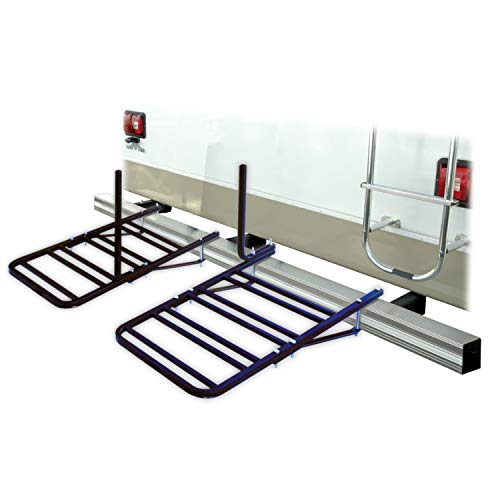
The Swagman RV Approved 4-Bike Bumper Rack is designed for mounting on an RV or camper trailer bumper with a 4″ to 4.5″ square profile. It accommodates up to four bicycles, with a weight limit of 30 pounds per bike, supporting easy transport for family trips or long-haul adventures. Installation uses 6.5″ and 8″ bolts around the bumper, and the rack features heavy-duty steel construction with a corrosion-resistant black powder-coated finish. This option focuses on a straightforward bumper mounting solution for RV enthusiasts who want quick bike access after arrival at a campsite.
Key considerations include bumper compatibility, weight distribution, and clearance for rear doors or hatches. The bumper rack design minimizes contact with the vehicle body, reducing potential paint wear. While it offers straightforward loading, users should verify bumper strength and hitch alignment to ensure safe, stable transport. For RV travel, ensure the bumper can handle the combined weight of four bikes plus mounting hardware, and check local towing guidelines for any RV-specific requirements.
Thule Range Hanging Bike Rack

The Thule Range hanging bike rack is designed for RV travel and can carry up to four bikes. It features anti-sway cradles for superior stability and a quick, secure ratcheting strap system to attach bikes firmly to the rack. The hanging design provides a compact profile and easy loading, ideal for travel trailers or motorhomes where venting or ground clearance is a consideration. Integrated locks add a level of security for remote campsites, though owners should verify that locking mechanisms align with their preferred security practices.
Considerations include bike compatibility across frame styles, tire widths, and the potential need for additional anti-theft measures. This model excels in keeping bikes stable during highway speeds and rough road conditions, reducing bike-to-bike contact. Be mindful of hitch compatibility and whether the RV’s bumper or hitch area allows safe access for rear cargo doors and storage compartments when bikes are mounted.
Young 4-Bike Rack Hitch Mount Platform Style Carrier

The Young 4-Bike Rack is a platform-style hitch carrier with a 2″ hitch receiver—suitable for cars, trucks, SUVs, minivans, and RVs. It includes soft padded hooks and a locking hitch pin to safeguard bikes and frame finishes, reducing sway and paint wear. A rear safety reflector improves visibility at night, and the unit folds up and tilts down to save space when not in use. It supports up to 40 pounds per bike (160 pounds total) when installed behind a motor home, and is designed to handle diverse bike frame sizes with a hitch tightener for secure fit.
Pros include robust weight capacity with a tilting feature for trunk access, foldable design for garage storage, and clear safety features. Potential drawbacks involve ensuring the overall vehicle length remains compliant with local regulations and that the hitch system is rated for the combined load in roving RV usage. Compatibility with disc brakes or wide tires should be confirmed with the manufacturer’s specifications before purchase.
MaxxHaul 70210 4-Bike Rack
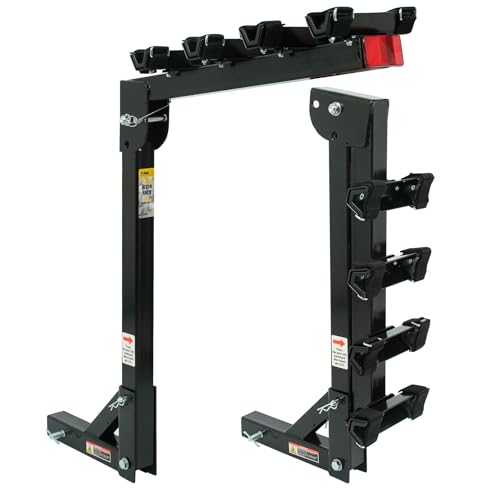
The MaxxHaul 70210 is a 4-bike hitch rack offering up to 150 pounds total capacity with a built-in reflector for enhanced visibility. It includes a swing-down feature to provide rear access to the vehicle, which is useful for loading gear or unloading bikes without detaching the rack. This model is designed for versatility, suitable for vans, SUVs, pickup trucks, and sedans equipped with receiver hitches. Installation is straightforward, and the rack arms include adjustable hold-down straps to keep bikes secure during transit.
Key considerations include the weight distribution across all four bikes and the ease of swing-down operation when the vehicle is loaded with other cargo. The rack’s design should be evaluated for potential interference with spare tires, rear doors, or hatchbacks. Ensure the hitch receiver and overall vehicle frame can accommodate the combined weight of the rack and bikes, especially on longer RV trips where stability matters more than speed.
Hollywood Racks Destination 4 Hitch Bike Rack

The Hollywood Racks Destination 4 Hitch Bike Rack is a lightweight platform-style hitch carrier designed to transport up to four bikes securely, with a per-bike maximum load of 35 pounds. The rack includes a locking threaded hitch pin for added theft deterrence and a compact design that suits a wide range of vehicles. This option aims for simplicity and reliability, offering straightforward mounting without excessive bulk. The platform design helps distribute weight evenly and reduces the risk of frame contact between bikes during transit.
Buying considerations include the total weight capacity, bike compatibility with frame shapes, and the security of fasteners in RV travel environments. Users should confirm clearance for tailgates and access to storage compartments, particularly for compact RV designs. The locking features improve security at campsites, but additional cable or lock systems may be considered for extended trips. If you frequently travel with multiple bikes of varying sizes, verify that the rack’s arms and cradles accommodate wider tires or certain frame materials without binding or contact.
Buying Guide: Key Purchase Considerations and Comparisons
- Mounting Type: Choose bumper, hitch, or platform mounts based on your RV design, vehicle clearance, and how you plan to load and unload bikes. Bumper racks are often simpler but may limit access to rear doors, while hitch-mounted platforms offer easier loading and better weight distribution.
- Load Capacity: Check the per-bike and total weight limits. RV travel may involve payload limits, so ensure the combined weight of bikes and rack stays within your vehicle’s hitch or bumper specifications.
- Stability and Security: Look for anti-sway features, padded hooks, locking hitch pins, and integrated locks. Stability reduces damage to bikes and RV paint while traveling on uneven roads.
- Bike Compatibility: Consider frame styles, tire widths, and disc brake compatibility. Some racks accommodate 2″ hitch receivers and wider tires; others are more limited in frame geometry.
- Ease of Access: A swing-down or tilt feature can provide rear access for loading gear or trunk access. Folding designs help with storage in tight spaces when not in use.
- Security and Theft Protection: Integrated locks help deter theft, but consider adding external locks or cables for remote campsites or long stays.
- Vehicle Compatibility: Ensure the rack fits your RV’s hitch, bumper, or trunk configuration. Some RVs require additional adapters or specific bolt patterns for secure mounting.
- Durability and Weather Resistance: Powder-coated frames and corrosion-resistant finishes extend life in RV environments, where exposure to road salt, humidity, and rain is common.
- Installation and Maintenance: Look for models with straightforward assembly and adjustable arms. Regularly check bolts, straps, and cradles for wear or looseness during trips.
When selecting a 4-bike rack for RV use, compare how each option handles weight distribution, bike sizes, and ease of use with your specific RV model. Consider future needs such as adding more bikes or swapping between bumper and hitch configurations. Always follow the manufacturer’s installation instructions and ensure compliance with local road regulations and RV towing guidelines for safe, dependable travel.