Choosing a racing bike helmet combines safety, comfort, and aerodynamics. This guide reviews top-rated options that balance protection with lightweight design, ventilation, and fit. Each product below is geared toward riders who demand performance on roads and passing laps, whether you’re training, racing, or hitting mountain descents. Use theBuying Guide after the picks to compare key features and make the right choice for your riding style.
The following quick reference table highlights five highly relevant racing bike helmets, including brand, model, and the core feature emphasis that helps them stand out for fast riding and long days on the bike.
| Product | Brand | Key Strength |
|---|---|---|
| Schwinn Thrasher Helmet | Schwinn | Adjustable fit, lightweight microshell, removable visor |
| Giro Isode MIPS II | Giro | MIPS protection, universal fit |
| Fox Racing Mainframe | Fox Racing | Proven MIPS protection, extended coverage |
| Fly Racing Rayce | Fly Racing | Full-face design, lightweight, TFV ventilation |
| Troy Lee Designs Flowline | Troy Lee Designs | MIPS, adjustable visor, lightweight |
Schwinn Thrasher Helmet

The Schwinn Thrasher is designed for fitness and recreational rides with a lightweight microshell and 20 vents for airflow. The adjustable dial retention system provides a snug fit, while side and chin straps optimize stability for long rides. A removable visor adds sun protection without extra accessories. Interior padding covers the head for 360-degree comfort and can be removed and washed to maintain freshness.
Giro Isode MIPS II Adult Helmet

The Giro Isode MIPS II focuses on protection and fit. It features the Multi-Directional Impact Protection System (MIPS) to redirect energy during crashes and universal sizing that helps new riders dial in a reliable fit straight from the box. The helmet is designed for universal adult sizing, balancing protection with everyday comfort for road and recreational cyclists.
BATFOX Mountain Bike Helmet

The BATFOX helmet emphasizes safety with U.S. CPSC and EU CE standards for bicycle helmets. It features a full-coverage polycarbonate shell over an EPS foam liner for durable protection without excess weight. With 18 wind tunnel vents and internal channeling, riders experience enhanced cooling during long climbs and technical descents, making it suitable for diverse terrains and conditions.
Troy Lee Designs Flowline
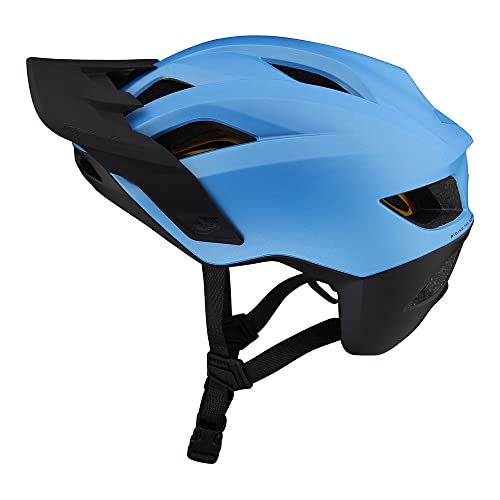
The Troy Lee Designs Flowline is a lightweight, MIPS-equipped helmet with an adjustable 3-height-fit system and a two-way adjustable screww-less visor. It blends performance and comfort for all-mountain, enduro, and trail riding, offering optimized ventilation and a secure, customizable fit for aggressive riding styles and long sessions on steep terrain.
Buying Guide: Key Purchase Considerations
When choosing a racing bike helmet, consider protection, fit, airflow, weight, and features that align with your riding style. The following perspectives can help you compare options effectively:
- Protection systems: Look for MIPS or other rotational impact protection to reduce brain injury risk in angled impacts often encountered on descents and cornering. Helmets with extended coverage provide more protection around the sides and temples for aggressive riders.
- Fit and adjustability: A secure fit reduces helmet movement during high-speed riding. Dial adjusters, multi-height fit systems, and adjustable chin straps help tailor the feel to your head shape and size. Ensure coverage suits head circumference ranges listed by the manufacturer.
- Ventilation and weight: Road racing demands good cooling without creating drag. Look for multiple vents and channeling that promote airflow, coupled with a lightweight shell to minimize fatigue on long rides.
- Visors and sun protection: A removable visor can shield eyes from sun and glare without needing sunglasses in all conditions. Some helmets integrate visors or goggle compatibility for versatility.
- Certification and safety standards: Check for certifications (e.g., CPSC, EN1078, CE) that match your riding locale. Urban riders and light trail riders may prioritize different standards than downhill or enduro riders.
- Maintenance: Removable padding that is washable helps maintain hygiene. If you sweat heavily or ride often, consider pads that hold up well after multiple wash cycles.
- Intended use: For road racing or fast-paced commuting, prefer helmets with stable aerodynamics and reduced wind resistance. For trails and all-mountain riding, extended coverage and robust vents can be advantageous.
Each helmet in this guide offers a distinct balance of protection, comfort, and ventilation. When selecting, match the helmet to your typical riding environment—steady road races, mixed terrain, or urban commuting—to maximize safety and performance without sacrificing comfort.