Choosing a pedal-free bike helps toddlers learn balance and coordination before transitioning to a pedal bike. The following five options are designed for ages 2 to 5, with adjustable seats and handlebars, safety-focused frames, and lightweight construction to support early riding confidence. Each product below includes a quick overview and key features to help parents compare quickly.
Summary of chosen products
| Product | Brand | Approximate Age | Weight Capacity | Notable Feature |
|---|---|---|---|---|
| Bobike Adjustable No-Pedal Training Bike | Bobike | 2-5 years | Not specified | Adjustable seat and handlebar |
| Balance Bike 2 Year Old (Pink) | WEFITY | 2-5 years | Not specified | Adjustable handlebar and seat; lightweight |
| JOYSTAR Toddler Balance Bike | JOYSTAR Store | 18 months-5 years | Not specified | Footrest; adjustable seat height |
| SEREED Toddler Balance Bike | SEREED Store | 2-5 years | 110 lbs | Sturdy steel frame; tool-free adjustments |
| KRIDDO Toddler Balance Bike | KRIDDO Store | 24 months-5 years | 110 lbs | Customize plate with stickers |
Bobike Adjustable No-Pedal Training Bike
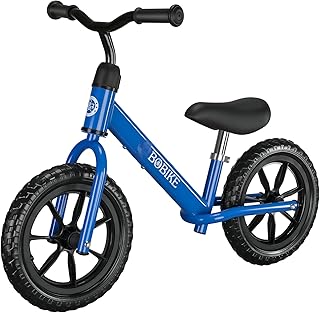
Bobike’s pedal-free training bike focuses on adjustable fit and safe design, making it a solid option for toddlers beginning balance-focused riding.
WEFIT Balance Bike (Pink)
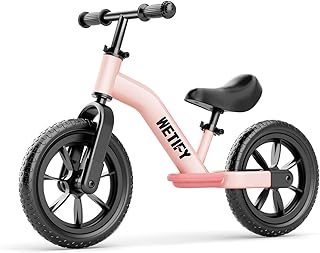
WEFITY bike emphasizes easy, tool-free adjustments for growing kids and a lightweight build for simple handling during first rides.
JOYSTAR 10/12 Inch Toddler Balance Bike

JOYSTAR’s 10″/12″ balance bikes offer a pedal-free design with adjustable seat and handlebar heights. A lightweight frame and footrest enhance balance practice, making it a versatile option for 18 months to 5 years.
SEREED Toddler Balance Bike

SEREED’s balance bike features a sturdy carbon steel frame and a no-pedal design with tool-free adjustments. It supports up to 110 lbs, includes a safe footrest pad, and comes with customization options such as plates and stickers for personalization.
KRIDDO Toddler Balance Bike

KRIDDO’s balance bike for ages 2 to 5 features a 12-inch push bike design with a removable customizable plate. The frame is built for safety and durability, with a load capacity around 110 lbs and stickers to personalize the bike’s look.
Buying Guide: Key Purchase Considerations
- Age and size range: Look for adjustable seat heights and handlebar positions to accommodate a growing child. A low step-through frame helps kids mount and dismount safely.
- Weight and materials: Lightweight aluminum or steel frames reduce the effort needed for kids to balance and push. Check for solid, kid-friendly grips and comfortable saddles.
- Adjustability: Favor models with tool-free height adjustments so parents can quickly adapt the bike as a child grows, without needing tools or special equipment.
- Safety features: Ensure a sturdy frame, non-slip pedals or a pedal-free design, appropriate wheel size, and a secure footrest area to prevent slipping.
- Durability and warranty: Since toddlers may be rough with bikes, select options with durable construction and manufacturer warranties where available.
- Personalization: Some bikes offer customizable plates or sticker sets, which can engage kids in their own riding experience and encourage longer play sessions.
- Transition readiness: Pedal-free bikes help with balance and steering; consider models that smoothly ease children into pedal bikes, reducing frustration during the transition.
- Maintenance: Look for simple maintenance needs, replaceable parts, and easy-clean designs to keep kids’ bikes in good condition between rides.
Across the listed options, most bikes emphasize adjustable fit, lightweight yet sturdy frames, and a focus on balance development. Parents should match a bike to their child’s current height and confidence level, then plan for gradual adjustments as the child grows. Personalization features can add motivation, while safety-focused construction remains the top priority for early riders.