Choosing the right bike for a 3-year-old can help build balance, confidence, and a love of riding. Balance bikes—pedal-free designs—teach steering, balance, and coordination, making the transition to a pedal bike smoother later on. Below is a curated selection of popular toddler balance bikes and 2-in-1 options that grow with kids, featuring tool-free adjustments, durable frames, and kid-friendly accessories. This guide highlights key features, safety considerations, and what to look for when shopping.
| Product | Key Benefit |
|---|---|
| SEREED White Balance Bike | Sturdy carbon steel frame; adjustable seat and handlebars; customizable plate with stickers |
| SEREED Black Balance Bike | Same adjustable design with a sleek black finish; sturdy build and personalization options |
| Strider 12” Sport Bike | Lightweight balance bike; renowned for confidence-building without pedals |
| KRIDDO 2-in-1 Balance Bike & Tricycle | Detachable pedals and stowable training wheels; grows from balance bike to trike |
| Youthkkee 12 Inch Balance Bike | Tool-free adjustable seat; customizable plate; durable frame for ages 1-3 |
Notes: The products listed focus on balance-based riding for preschoolers. When selecting, consider how easily a child can reach the ground, the bike’s weight, adjustability, and whether personalization options help encourage independent riding. The emphasis here is on safety, longevity, and growth potential rather than a single age recommendation.
SEREED White Balance Bike

Designed for stability and safety, this SEREED balance bike uses a wide, tough carbon steel frame that supports up to 110 lbs. It features a safe footrest pad, rubber grips, a soft saddle, and a starting seat height of 12.6 inches. The quick-release mechanism allows tool-free adjustments to seat height (12.6–17.1 inches) and handlebar height (19.6–22.5 inches), ensuring a fit that grows with your child. The no-pedal design helps kids develop balance and steering early, and a bonus customizable plate with stickers lets children personalize their ride. These features target confidence-building while maintaining a focus on safety and durability for 2–5-year-olds.
SEREED Black Balance Bike

This model mirrors the White version with a robust carbon steel frame and the same 110 lb weight limit, soft saddle, and protective footrest. It offers tool-free height adjustments via a quick-release mechanism for seat and handlebar positions. The no-pedal design supports early balance training, while the included plate and stickers provide a fun customization option to engage kids. The Black color offers a visually sleek alternative for families seeking a modern look without compromising safety or durability.
Strider 12” Sport Bike Blue
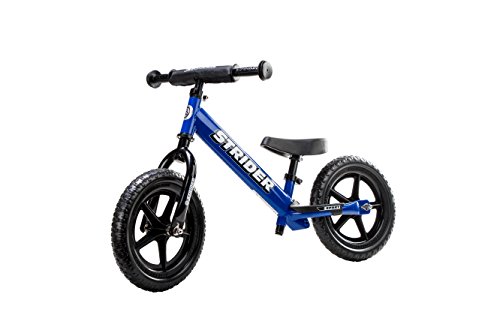
The Strider balance bike is a long-standing favorite for young riders beginning their cycling journey. It emphasizes balance and confidence-building through a lightweight, pedal-free design. The bike helps children practice balance and steering, making the eventual transition to a pedal bike smoother. Its minimal assembly and adjustable seat height support growth from 1 to 4 years old, with flat-free tires and protective padding contributing to a safe riding experience. Strider’s reputation is anchored in empowering kids to ride independently and confidently.
KRIDDO 2-in-1 Balance Bike & Tricycle White

This 2-in-1 design provides versatility as a balance bike and a tricycle. It includes a built-in pedal mount for easy transition between modes, with pedals fully detachable if the child advances to pedaling. The stowable training wheels option offers added stability while kids build confidence, and the included plate customization allows kids to personalize their ride. A sturdy frame supports up to 110 lbs and the front light option can enhance visibility for low-light rides, contributing to a versatile learning experience for ages 18 months to 3 years.
KRIDDO 2-in-1 Balance Bike & Tricycle (Different Model)
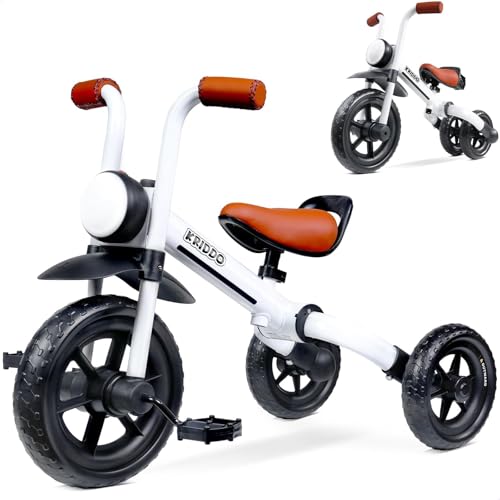
This KRIDDO model mirrors the dual-mode concept with a detachable pedal system and pedal storage, enabling quick shifts between balance bike and tricycle configurations. The built-in front light adds safety for darker environments, and the design includes a comfortable handlebar grip and soft seat. With a durable frame crafted to handle learning-to-ride phases, it’s suited for children transitioning from balance-only to pedal-enabled cycling, helping build confidence across ride styles as early as 18 months and up to 5 years in certain configurations.
Youthkkee 12 Inch Balance Bike

The Youthkkee balance bike emphasizes balance and coordination with a pedal-free design and a low center of gravity for stability. It features tool-free seat adjustment and quick assembly, making it easier to set up and customize as a growing child learns. The bike’s durable frame accommodates up to 110 lbs and includes a customizable plate to encourage personal expression. The design aims to offer a reliable, long-lasting option for parents seeking a simple, adjustable balance bike for toddlers aged roughly 1–3 years.
Buying Guide: Key Purchase Considerations
- Age and height fit: Ensure the bike’s seat height and handlebar height can adjust to your child’s current and near-future measurements. A bike that fits now and grows with your child reduces the need for frequent replacements.
- Weight and materials: Look for lightweight frames that are still sturdy. Carbon steel and aluminum frames offer durability without adding excessive weight, which helps toddlers handle the bike more easily.
- Adjustability: Tool-free adjustments are ideal for quick changes as kids grow. Quick-release clamps for seat and handlebar height enable parents to tailor sizing without tools.
- Safety features: Footrests, soft saddles, padded handlebars, and grippy tires contribute to safer rides. Check for stable stance, balanced wheels, and built-in padding where applicable.
- Personalization: Plates or stickers can motivate kids to engage with the bike and take ownership of their ride, potentially encouraging longer play sessions and practice time.
- Transition potential: If planning to move to a pedal bike, consider models that offer easy motor skill development—balancing and steering—without pedals, and some that can later detach pedals or convert to a trike.
- Maintenance and warranty: Look for simple maintenance, easy cleaning, and reputable brands with customer support. A longer warranty signals confidence in durability and safety.
- Accessories and safety gear: Parents often pair balance bikes with well-fitting helmets, knee and elbow pads, and gloves to promote continued, safe practice sessions.
Overall, these balance bikes and 2-in-1 options provide versatile ways to foster early riding skills. When selecting, prioritize a secure fit, growth potential, and features that sustain a child’s interest and confidence as they progress toward a pedal bike.