Choosing a roof rack for mountain bikes involves balancing security, fit, and ease of use. The following selections focus on upright, roof-mounted racks that fit a range of crossbars and wheel sizes, minimize bike contact, and install without removing wheels. Use this guide to compare top picks, their mounting systems, and how they align with common vehicle types like sedans and SUVs.
| Product | Brand | Wheel Fit | Key Benefit |
|---|---|---|---|
| Yakima Upright Bike Rack Mount | Yakima | 26″–29″ wheels, tires 23mm–4.0″ | Low profile, no frame contact, torque-secure |
| Swagman UPRIGHT Roof Mount Bike Rack | Swagman | Bike base ≤54″, tires up to 3″ wide | Easy assembly, lightweight, versatile with bars |
| Yakima Rooftop Bike Rack Mount FrontLoader | Yakima | Various, asymmetrical compatibility | Secure, durable, protects bikes on road trips |
| GATHERSKY Roof Bike Rack Mount Upright | GATHERSKY | 18″–29″ wheels, up to 3.1″ tires | Two-arm design, one-handed release, wheel-based grip |
| Terriplaze Bike Roof Rack Mount | Terriplaze | 20″–27″ wheels, tires up to 2.3″ | Foldable arm, secure wheel straps, sturdy build |
The table above highlights five roof-mount options commonly recommended for mountain bikes, emphasizing wheel compatibility, ease of use, and security features. The following sections dive into each product, their mounting approach, and practical considerations for different vehicles and rack configurations.
Yakima Upright Bike Rack Mount
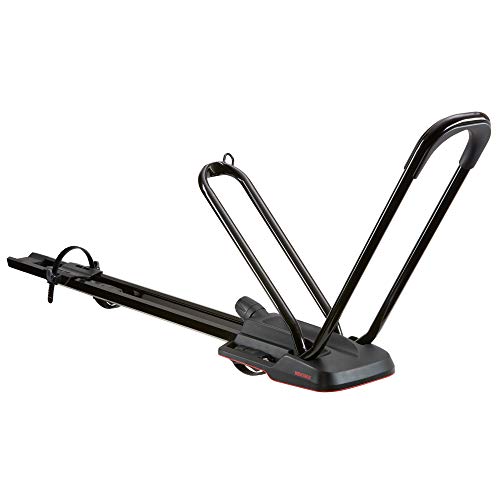
Designed for a low-profile appearance, this Yakima rack minimizes hatch interference, making it suitable for sedans and SUVs without hitch receivers. It uses a wheel hoop that accommodates 26″ to 29″ wheels and tires from 23mm to 4.0″ wide, with wheelbases up to 48″. No wheel removal is required, and the design ensures no contact with the bike frame. A TorqueRight integrated knob provides quick, tool-free securing for peace of mind during travel. Universal mounting hardware supports Yakima StreamLine crossbars and most factory or aerodynamic crossbars.
Swagman UPRIGHT Roof Mount Bike Rack
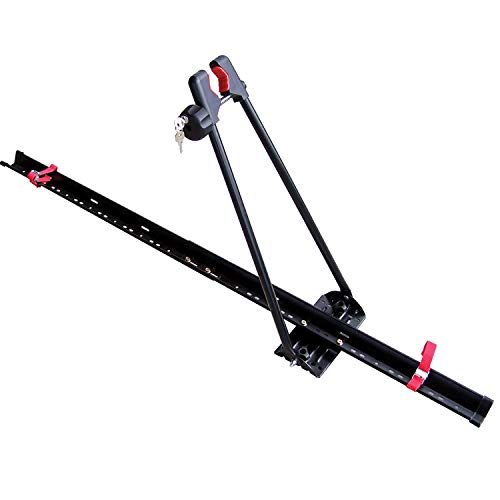
The UPRIGHT roof rack from Swagman installs in minutes and carries one bike without wheel removal. It supports bikes with wheelbases up to 54″ and tires up to 3″ wide. It fits square, round, and oval bars up to 3″ wide, and multiple units can be used on a single vehicle. The design emphasizes a lightweight profile with a maximum weight capacity of 35 lbs per bike and a compact, sleek aesthetic that complements a range of vehicles.
Yakima Rooftop FrontLoader

The FrontLoader is a rugged Yakima option designed for roof transport on sedans and SUVs without hitches. It supports mountain bikes and fat tires, offering a secure mounting system that minimizes movement and protects the bike during travel. The FrontLoader emphasizes durability and stability, making it a practical choice for longer trips or rugged road conditions while preserving the bike’s frame integrity.
GATHERSKY Roof Bike Rack Upright

GATHERSKY offers a two-arm upright system designed to grip the wheel contact points securely while avoiding frame contact. It features an integrated tightening knob adjuster for fast bike fixation and a ratchet lock mode for one-handed loading and unloading. The rack is positioned as suitable for 1 bike up to 44 lbs, fitting wheels from 18″ to 29″ and tires up to about 3.1″ wide, with a wheelbase limit of 48”. This configuration emphasizes user-friendly operation and reliable security on the road.
Terriplaze Bike Roof Rack Mount
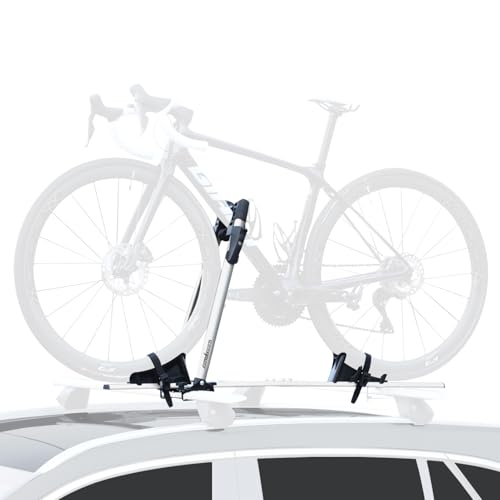
Terriplaze presents a foldable upright design with adjustable arms and wheel straps, allowing a versatile fit for bikes with 20″ to 27″ wheels and tires up to 2.3″ wide. Each bike slot supports up to 32 lbs, making it suitable for most mountain bikes. The folding arm feature aids storage when the rack isn’t in use, and the integrated locking elements help secure the bike during travel. This option focuses on a balance of lighter weight, compact storage, and solid mounting stability.
Buying Guide
Key considerations when selecting a mountain bike roof rack include vehicle compatibility, mounting system, ease of use, and security features. Here are practical perspectives to aid decision-making:
- Vehicle compatibility: Determine whether your vehicle has factory crossbars, aerodynamic crossbars, or requires a clamp-on system. Some racks work best with square, round, or oval crossbars, while others support a wider range of bar styles.
- Wheel and tire fit: Confirm wheel size compatibility (commonly 18″–29″) and tire width limits. Wider tires (2.5″–3.5″) may require models with larger wheel hoops or secure contact points to prevent frame contact.
- Installation and removal: Consider tool-free clamps, one-handed loading, and whether the rack requires wheel removal. Racks with integrated tightening knobs or ratchet systems speed setup and takedown.
- Security: Look for locking mechanisms or integrated security features that deter theft and protect against movement on rough roads. Some models offer locking components to secure the wheel or entire rack to the vehicle.
- Storage and aerodynamics: Foldable arms and low-profile trays reduce wind resistance and improve fuel efficiency. A rack that folds flat when not in use minimizes obstruction.
- Durability and materials: Aluminum racks with powder coating resist corrosion and provide lighter weight without sacrificing strength. Rubber protectors help prevent paint scratches.
- Warranty and compatibility notes: Check warranty coverage and ensure compatibility with roof rails or aerodynamic crossbars if applicable. Some racks require universal mounting hardware to fit a wider range of setups.