Choosing the right bike rack makes mountain biking trips safer, simpler, and more enjoyable. This guide highlights highly rated options that work with different vehicle setups, from trunk-mounted racks to hitch mounts and roof carriers. Each pick supports common MTB configurations, helps protect your bikes, and provides secure mounting for road and off-road adventures alike.
Summary of featured products:
| Product | Mount Type | Capacity | |
|---|---|---|---|
| Allen Sports Deluxe 2-Bike Trunk Mount Rack, Model 102DN-R | Trunk Mount | 2 bikes | Most cars with hatchback/sedan trunks |
| Young 200 lbs. 2 Bike Rack (Hitch Mount Platform) | 2-Bike Hitch Mount | Up to 2 bikes, 100 lbs per bike | 2″ hitch receivers on cars, trucks, SUVs |
| Allen Sports Deluxe 4-Bike Hitch Mount Rack | Hitch Mount | 4 bikes | 2″ receiver hitches, wider family setups |
| TANX Bike Racks for Ebikes (2-Bike 160 lbs) | Hitch Mount | 2 bikes | 2″ receivers; supports e-bikes and fat tires |
| Yakima Upright Roof Bike Rack (HighRoad) | Roof Mount | 1 bike | Compatible with roof racks, sedans and SUVs without a hitch |
Allen Sports Deluxe 2-Bike Trunk Mount Rack

The Allen Deluxe 2-Bike Trunk Mount Rack offers a simple, affordable way to carry mountain bikes without using a trailer hitch. It is designed for trunk mounting, making it accessible for vehicles that lack hitch receivers. The rack provides basic cradle support and strap-based security, which works well for riders who want a lightweight, drop-in solution. Installation is generally straightforward, with straps securing bikes to the rack and to the vehicle. This model is ideal for weekend MTB trips on cars with hatchbacks or SUVs that support trunk-mounted racks.
Young 200 lbs. 2 Bike Rack (Hitch Mount Platform)
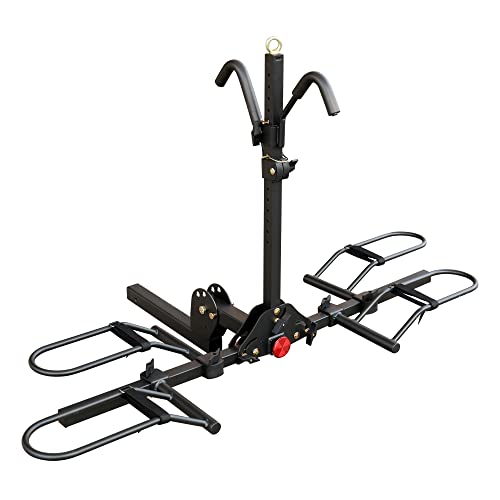
This hitch-mounted platform rack supports heavy bikes with a total 200-pound capacity—up to 100 pounds per bike. It includes soft padded hooks to minimize frame scratching and sway, which is important for mountain bikes with exposed finishes. The design allows for tilting to access the rear of the vehicle without detaching the rack and includes a rear reflector for nighttime visibility. The universal tire holders accommodate 20″ to 29″ wheels and tires up to about 5 inches wide, making it suitable for many mountain bike builds, including fat tires. It folds when not in use to save space in garages or driveways.
Allen Sports Deluxe 4-Bike Hitch Mount Rack

This hitch-mounted rack is designed to hold up to four bicycles in a 2-inch receiver. It features a patented tie-down cradle system that individually secures each bike to minimize movement and frame contact. The rack arms fold flat when not in use, and it tilts back to provide trunk access with bikes attached. A no-wobble bolt helps stabilize the setup inside the hitch, reducing shake during highway travel. It’s a good choice for families or groups who regularly ride together and need a higher carrying capacity without installing a roof rack.
TANX Bike Racks for Ebikes (2-Bike, 160 lbs Capacity)

The TANX hitch rack is engineered to carry heavy e-bikes and mountain bikes with up to 5-inch tires, supporting up to 160 pounds total (66 pounds per bike). It uses lockable padded clamps to protect paint and frame finishes, with a locking system to deter detachment during transit. The rack folds for storage and tilts to allow trunk access when not in use. This model emphasizes stability and security for riders who frequently transport heavier builds or fat-tire bikes with confidence and ease.
Yakima Upright Bike Rack Mount (HighRoad)
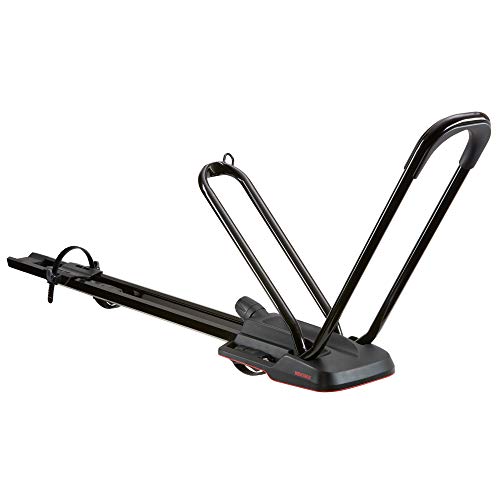
The Yakima HighRoad roof rack provides a low-profile option for mountain bikers who prefer carrying a bike on the roof rather than a hitch or trunk. It accommodates wheels from 26″ to 29″ and tires from 23mm to 4.0″ without frame contact, which helps preserve your bike’s finish. The integrated TorqueRight knob lets you secure the bike with precision, and the universal mounting hardware fits most roof racks. This option is ideal for vehicles without hitch receivers, or for riders who want to free up hitch and trunk space for gear and passengers.
Buying Guide: Key Purchase Considerations
When selecting a mountain bike rack, consider the following factors to match your vehicle, bike type, and riding style:
- Vehicle compatibility: Check for hitch receiver size (1.25″ vs 2″), trunk mounting suitability, or roof rack availability. Some vehicles require specific mounting geometries or spacers.
- Bike capacity and weight: Evaluate total weight and per-bike weight limits. Fat tires, e-bikes, and heavy downhill bikes require sturdier racks and higher capacities.
- Security features: Look for locking mechanisms, anti-wobble systems, and padded clamps to prevent damage to frames and ensure rack stability during transit.
- Ease of use: Consider tilting or folding features for trunk or hatch access, and how easily the rack loads and unloads bikes without tools.
- Accessibility and clearance: Roof-mounted racks add height to your vehicle, which can affect garage clearance and parking structures.
- Bike fit and protection: Ensure clamps or cradles accommodate road, mountain, and fat-tire bikes without frame contact. Anti-sway designs reduce bike movement on the road.
- Durability and weather resistance: Powder-coated finishes and corrosion resistance extend rack life in varied climates and during frequent transport.
- Installation effort and compatibility: Some racks require more assembly or tool use, while others install quickly with a hitch or trunk straps.
Perspective considerations:
– For frequent multi-bike trips with family or group rides, a 4-bike hitch rack offers the greatest capacity and convenience, but it requires a compatible 2″ hitch and more setup space.
– Hitch-mounted racks tend to offer robust security and easier loading for heavier bikes, including certain fat tires and e-bikes, though they add some weight to the hitch and can impact rear clearance.
– Trunk mounts are budget-friendly and quick to install, but they may limit bike access and can pose higher risk of contact with the vehicle if not properly padded.
– Roof-mounted racks minimize rear clearance concerns but require lifting bikes overhead and may affect aerodynamics and fuel economy, depending on vehicle design.
– Always verify the rack’s fit with your exact bike dimensions, including wheelbase, tire width, and frame design, to prevent frame or fork damage during travel.