Finding a reliable power meter for mountain biking can transform climb strategy, pacing on rugged descents, and overall training metrics. The following selections highlight pedal- and crank-based meters built for MTB and gravel use, offering Bluetooth and ANT+ connectivity, ruggedized bodies, and straightforward transfer between bikes. Carefully compare compatibility, left- or dual-sensing, and ecosystem integrations to choose the right setup for your rides.
| Product | Sensor Type | Connectivity | Notes |
|---|---|---|---|
| Favero Assioma PRO MX-1 | Left-Side Pedal Power Meter | Bluetooth & ANT+ | Modular pedal design for road/MTB swap |
| Garmin Rally RS200 | Dual-Sensing (Left/Right) | Bluetooth & ANT+ | Road cleat compatibility with SHIMANO SPD-SL |
| Magene PES P505/P515 Crankset | Crankset Power Meter | Bluetooth & ANT+ | High precision, lightweight |
| Favero Assioma PRO MX-1 Bundle | Left-Side Pedal Meter with Power Bank | Bluetooth & ANT+ | Includes accessories and power bank |
| Favero Assioma Uno Pedals | Left-Side Pedal Meter | Bluetooth & ANT+ | Includes extra cleats and cleaning cloth |
Across these options, riders will find a spectrum of configurations—from pedal-based systems ideal for quick transfers between bikes to crank-based meters designed for extreme durability and prolonged rides. The key distinctions often lie in sensing method (single vs. dual), transfer ease, and how each unit integrates with bike computers and training apps.
Favero Assioma PRO MX-1: Flexible MTB Pedal Meter

The Favero Assioma PRO MX-1 is a single-sensing pedal-based power meter designed for mountain biking and gravel routes. It is 100% SPD compatible on the left pedal, allowing use with provided cleats or Shimano SM-SH51 cleats. The pedal body is modular, enabling quick swaps between road and MTB setups while using the same power sensor. Installation mirrors standard pedal changes, making it a practical option for riders who alternate between bikes. Connectivity spans Bluetooth and ANT+ for compatibility with most bike computers and training apps. Automatic Temperature Compensation (ATC) helps maintain accurate watt measurements across a wide temperature range, from -10°C to 55°C.
- Left-pedal power sensor with modular design for MTB/road swaps
- Bluetooth and ANT+ compatibility for a wide ecosystem
- Automatic temperature compensation for stable readings
Garmin Rally RS200 Dual-Sensing Power Meter Pedals

The Garmin Rally RS200 is a dual-sensing power meter pedal setup that captures power, cadence, and left/right balance. It is designed for straightforward installation and easy transfer between bikes, making it ideal for riders with multiple MTB or gravel setups. The design emphasizes seamless integration within the Garmin ecosystem, including compatibility with Garmin watches, Edge cycling computers, and select smartphones. It supports SHIMANO SPD-SL cleats for a smooth integration into established pedal systems. This setup provides detailed performance analytics to optimize training and racing strategies over time.
- Dual-sensing power meters with cadence and balance data
- Easy transfer between bikes; seamless Garmin ecosystem integration
- Supports SHIMANO SPD-SL cleats for compatibility
Magene PES P505/P515 Crankset: Precise MTB Power

The Magene PES P505/P515 power meter crankset delivers ±1% power accuracy through advanced strain gauges and intelligent temperature compensation. The crankset construction emphasizes durability with a lightweight profile, using 7075 aluminum and a triple hollow crank design to optimize stiffness. Battery life is robust, with up to 330 hours of ride time under efficient power management. A practical choice for riders who want a reliable power metric from the crank rather than pedals, especially when MTB conditions demand consistent readings across varied terrains.
- ±1% power accuracy with temperature compensation
- Lightweight 625g crankset, robust aluminum construction
- Up to 330 hours of battery life
Wearable4U: Favero Assioma PRO MX-1 Power Meter Bundle

This bundle centers on the Favero Assioma PRO MX-1, pairing a left-side power meter pedal with a Power Bank for on-the-go charging and extended training sessions. The kit includes an MTB-compatible SPD cleats set, washers, a charging connector, and cleaning tools. The components emphasize universal compatibility via Bluetooth and ANT+, ensuring readiness to connect with bike computers, smartwatches, and training apps. The pedal housing is designed to withstand wet and muddy conditions, aligning with rugged mountain riding expectations.
- Left-pedal power sensor with included MTB cleats
- Bluetooth and ANT+ compatibility for broad device support
- IP67-grade protection with a robust, modular design
Wearable4U: Favero Assioma Uno Pedals Bundle
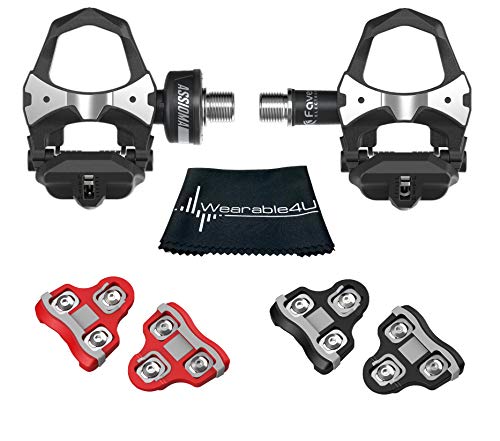
The Favero Assioma Uno pedal-based power meters provide true left-power data, with the sensor located in the left pedal for accurate measurement while enabling easy installation and transfer between bikes. The bundle includes extra cleats and cleaning cloths to maintain pedal performance. It’s designed for riders who prefer a pedal-based solution and want a straightforward setup that integrates with a broad ecosystem of training apps and devices via Bluetooth and ANT+.
- Left-side power sensing for accurate power data
- Includes extra cleats and cleaning accessories
- Easy installation and bike-to-bike transfer
Buying Guide: Key Purchase Considerations for MTB Power Meters
-
<liSensing method and balance: Choose single-sensing (left-side) if you primarily ride with a fixed power leg or want a lighter, simpler setup, or dual-sensing for complete left/right power balance and richer data.
- Compatibility and ecosystem: Verify compatibility with your bike’s drivetrain, cleat type, and preferred bike computer or training app. Consider ecosystems like Garmin, Wahoo, or general Bluetooth/ANT+ compatibility for flexibility.
- Installation and transfer: Pedal-based meters often offer quick transfers between bikes with minimal tools. Crank-based meters may require more setup but can be more integrated for long-term endurance riding.
- Durability in rugged conditions: Look for IP ratings, sealed electronics, and robust construction for mud, rain, and vibration encountered on MTB trails.
- Battery life and maintenance: Assess expected ride time per charge and maintenance needs, including sensor calibration, cleaning, and charging accessories.
- Data granularity: Consider whether you need cadence, left/right balance, torque vectors, and real-time data streaming for training analysis and performance tracking.
- Price and value: Weigh the balance between upfront cost and ongoing training benefits, especially if you ride aggressively on technical terrain or race-prepped trails.