Choosing a mountain bike hydration backpack involves balancing capacity, comfort, and access. This guide highlights top options from trusted brands, focusing on ergonomic design, spill-resistant reservoirs, and breathable back panels to keep you cool on rugged trails. Each pick is evaluated on fit, durability, and refill ease to help you ride longer with less distraction.
| Product | Brand | Capacity (oz) | Key Feature |
|---|---|---|---|
| CamelBak M.U.L.E. 12 Mountain Bike Hydration Backpack Moroccan Blue/Black | CamelBak | 100 | Crux Reservoir with Quicklink for more per sip |
| CamelBak M.U.L.E. Mountain Biking Hydration Backpack – Black | CamelBak | 100 | Air Director Back Panel for airflow |
| CAMELBAK M.U.L.E. 12 Mountain Bike Hydration Backpack Gunmetal/Lime | CamelBak | 100 | Ergonomic fit with premium materials |
| Lightweight Hydration Backpack by N NEVO RHINO | N NEVO RHINO | 64 (2L bladder) | Ultra-lightweight with breathable back |
| MARCHWAY Tactical Molle Hydration Pack | MARCHWAY | ~97 (3L reservoir) | MOLLE system for extra gear |
Note: The table summarizes five strong choices for trail-ready hydration with a focus on durability, ventilation, and easy refills. Product links are provided in each section for direct shopping.
CamelBak M.U.L.E. 12 Moroccan Blue/Black

The redesigned fit emphasizes ergonomic riding comfort with premium materials for long-lasting performance. The Crux Reservoir with Quicklink provides up to 20 percent more water per sip, and refilling is streamlined by the easy connection system. An Air Support Back Panel uses Body Mapping Technology to channel airflow and keep the back cooler on hot rides.
CamelBak M.U.L.E. Mountain Biking Hydration Backpack – Black
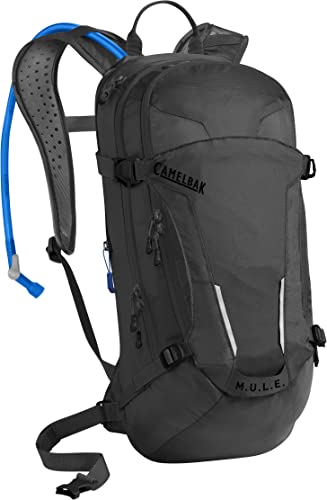
Air Director Back Panel channels airflow to maintain a cool back during intense rides. The removable stability belt adds support and can be detached for a lighter configuration. A ventilated harness keeps the load comfortable for extended sessions on rough terrain.
CamelBak M.U.L.E. 12 Black 100oz

This version mirrors the Moroccan Blue/Black design with the same ergonomic updates and Crux reservoir. The ergonomic fit and air-backed ventilation work together to reduce heat buildup and improve comfort on multi-hour rides.
MARCHWAY Tactical Molle Hydration Pack

Designed for rugged outdoor use, this pack offers a compact profile with a 3 L reservoir. It features adjustable, bounce-reducing straps, soft air mesh for fast airflow, and a MOLLE system to attach extra gear. Heavy-duty materials and SBS zippers enhance durability for long-term use.
CamelBak Hydrobak Light 50oz

This model emphasizes lightweight materials and efficient back ventilation with the Air Support Light Back Panel. The ventilated harness remains breathable for extended rides, while the 50 oz capacity balances weight and hydration for shorter, fast-paced treks or weekend rides.
CamelBak M.U.L.E. 12 Gunmetal/Lime

Another colorway of the M.U.L.E. line, this pack combines ergonomic design with a Crux Reservoir featuring Quicklink. The Air Support Back Panel ensures targeted ventilation to keep the rider cool during hot climbs and long descents.
Buying Guide
Selecting the right mountain bike hydration backpack depends on riding style, terrain, and personal comfort. Consider these factors:
- Capacity and weight: 70–100 oz reservoirs are common for day-long rides; lighter packs reduce shoulder fatigue for fast days.
- Reservoir design: Crux or fast-fill systems streamline refills; Quicklink compatibility helps you link to additional accessories.
- Back panel and harness: Body Mapping or air-flow channels reduce sweat buildup; adjustable straps help minimize bounce on rough trails.
- Ventilation and comfort: Soft mesh, breathable harness, and minimal contact areas improve long-ride comfort.
- Durability: Nylon or reinforced fabrics with robust zippers withstand mud, branches, and daily use.
- Attachment options: MOLLE compatibility lets you carry extra gear for longer expeditions; consider whether you need a smaller form factor for climbing.
- Fit and body type: Look for packs with adjustable torso length or an adaptable belt system to accommodate different torso heights and waist sizes.
In evaluating these packs, factors such as reservoir capacity, refill speed, cooling efficiency, and overall weight play pivotal roles. For riders who log extended days on the trail, a pack with a larger reservoir and an ergonomic back panel can reduce interruptions and improve focus on the ride. For casual or shorter trips, lighter designs with excellent ventilation offer ample hydration without added bulk. The best choice ultimately aligns with your typical routes, climate, and personal comfort preferences.