For riders seeking rugged capability, stability, and comfort on challenging surfaces, fat tire mountain bikes offer increased traction and confidence. This guide highlights five durable models designed to support larger riders while conquering sand, snow, gravel, and tough trails. Each pick balances frame strength, tire size, braking power, and gearing to deliver reliable performance across seasons and terrain. Read on to compare features, ride quality, and what to consider when choosing a fat tire bike tuned for heavier riders.
| Product | Wheels | Frame | Brakes | Key Advantage |
|---|---|---|---|---|
| Mongoose Malus Fat Tire Mountain Bike | 26-inch | Steel | Disc Brakes | Comfortable, stable ride with wide tires |
| Mongoose Argus ST Fat Tire Mountain Bike | 26-inch | Steel Hardtail | Mechanical Disc Brakes | All-terrain grip and rugged construction |
| Mongoose Dolomite Fat Tire Mountain Bike | 26-inch | Steel | Front And Rear Brakes | Versatile steel frame with ample tire traction |
| Max4out 26-In Fat Tire Mountain Bike | 26-inch | High-Carbon Steel | Dual Disc Brakes | 21 speeds and front suspension for tough trails |
| Mongoose Argus Sport Fat Tire Mountain Bike | 26-inch | Tectonic T2 Aluminum | Hydraulic Disc Brakes | Lightweight yet capable for aggressive riding |
Note: The selection prioritizes fat-tire frames and sturdy braking systems to support heavier riders, with a focus on stability, traction, and ease of handling across varied conditions. Each bike is evaluated for weight tolerance, frame material, and gearing options to help you choose a model that best fits your size and riding style.
Mongoose Malus Fat Tire Mountain Bike
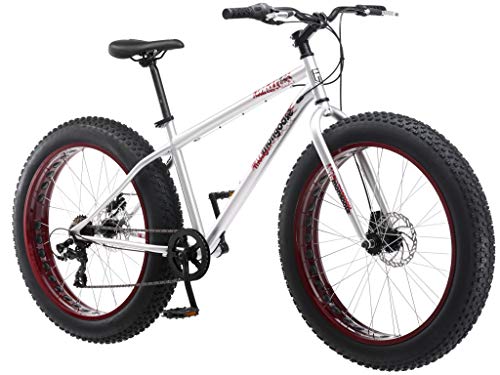
The Malus model features a steel frame paired with 26-inch wheels and four-inch wide knobby tires, delivering a stable ride designed for riders 5’4″ to 6’2″ tall. It uses a 7-speed drivetrain for smooth gear transitions and reliable acceleration through varied terrain. Front and rear disc brakes provide strong, predictable stopping power, which is crucial on loose surfaces and steep descents. This bike aims to combine comfort with practical performance for larger riders navigating mixed trails.
Mongoose Argus ST Fat Tire Mountain Bike
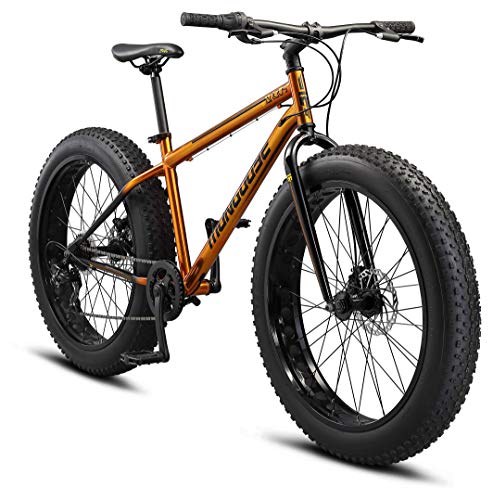
The Argus ST combines a 26-inch wheel setup with a steel hardtail frame and four-inch-wide fat tires to deliver solid traction on challenging surfaces. Geared toward riders roughly 5’7″ to 6’1″ tall, this model emphasizes durability and all-terrain capability. Mechanical disc brakes offer dependable stopping performance in varied weather, while the robust frame and rims help absorb shocks on rough trails. It’s a practical option for riders seeking rugged, year-round performance without sacrificing control.
Mongoose Dolomite Fat Tire Mountain Bike
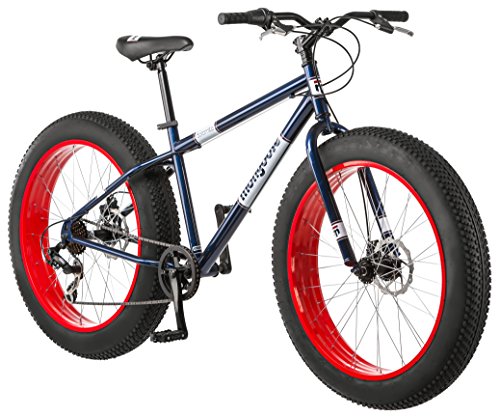
The Dolomite pairs a steel frame with 26-inch wheels and four-inch wide knobby tires, designed for riders 5’4″ to 6′ tall. It features a threadless headset that can simplify handling and speed adjustments, combined with sturdy alloy rims for dependable durability. Front and rear mechanical disc brakes enhance stopping control on diverse surfaces, making it suitable for riders tackling mixed terrain while carrying heavier loads or equipment. The Dolomite emphasizes versatile performance across seasons and trails.
Max4out 26 Inch Fat Tire Mountain Bike

The Max4out model emphasizes a high-carbon steel frame and 4-inch knobby tires for enhanced traction on sand, snow, and loose gravel. It features a 21-speed drivetrain to optimize hill climbing and acceleration, along with a front suspension fork to dampen bumps on rough roads. The combination aims to deliver a responsive ride for riders who encounter varied terrain, prioritizing control and comfort on longer or more demanding trips.
Mongoose Argus Sport Fat Tire Mountain Bike

The Argus Sport offers a Tectonic T2 aluminum frame and 4.8-inch-wide knobby tires, delivering substantial grip for challenging trails. Hydraulic disc brakes provide strong, modulation-rich stopping power, reinforcing rider confidence on steep, loose, or slippery surfaces. With a weight-conscious aluminum frame and a sturdy drivetrain, this model balances durability with agility, making it a favorable option for riders seeking performance-oriented fat tire capability without excessive weight.
Mongoose Argus ST Fat Tire Mountain Bike For Youth

Note: This listed model is designed for youth riders and may not be suitable for adults seeking a fat tire mountain bike. If you are shopping for younger riders or smaller riders within the fat tire category, this option demonstrates the breadth of Mongoose’s fat tire lineup. For adult sizing, refer to the full-sized Argus and Dolomite models described above.
Buying Guide: Key Considerations For Fat Tire Bikes And Heavier Riders
- Frame material and strength: Steel frames tend to offer durability and weight tolerance, while aluminum frames reduce weight but may still handle heavier riders when paired with proper components.
- Wheel and tire size: 26-inch wheels with 4-inch fat tires provide stability and traction on soft surfaces. Check tire compound and tread pattern suitable for your typical terrain (sand, snow, mud, gravel).
- Braking system: Mechanical vs hydraulic discs affect stopping power and modulation. Hydraulic discs generally offer smoother, more precise braking in wet or muddy conditions.
- Gearing and drivetrain: More gears (e.g., 21 speeds) offer better hill-climbing performance, while fewer gears may suffice on flatter terrains. Consider maintenance needs and availability of replacement parts.
- Rider height range and fit: Ensure the model accommodates your height and inseam, with adjustable seat and reach. Some fat bikes are better suited to taller riders, others to mid-range heights.
- Suspension: Front forks with suspension improve comfort on rough surfaces, but can add weight. For riders seeking maximum stability on sand or snow, suspension can be beneficial.
- Weight capacity: Check the manufacturer’s maximum rider weight and recommended loads. Fat tires add traction but can increase rolling resistance; ensure the frame and components are rated accordingly.
- Maintenance and parts availability: Steel frames are typically rugged and easy to repair, while aluminum frames offer lighter weight. Consider local service options and replacement parts.
- Intended use and terrain: Match the bike to your common riding conditions—beach, snow, trails, or mixed terrain—and consider compatibility with accessories like racks or fenders.
When selecting a fat tire mountain bike for heavier riders, prioritize a sturdy frame, strong braking, and a drivetrain that supports confident climbing and stable handling on diverse surfaces. The models reviewed here emphasize durability, traction, and braking reliability to help you navigate challenging terrains with greater assurance.