Riding with a dog on a mountain bike can boost workouts and outdoor fun, but it demands the right leash system. The best mountain bike dog leashes provide 180° rotation, shock absorption, quick attachment, and a sturdy build to keep both rider and pet safe on varied terrain. This guide reviews five top options, highlighting how each leash design handles jerks, pedal clearance, and control in real-world mountain biking scenarios.
Summary of chosen products:
| Product | Brand | Key Benefit |
|---|---|---|
| V2.0-180° Rotating Dog Bike Leash | MALABI Store | Rotating mechanism with carbon fiber build for smooth, adjustable control |
| Hands-Free Bicycle Dog Leash (180° Rotating) | Unknown | Rotating and fixed modes with built-in shock absorber |
| Dog Bike Leash — Hands-Free Attachment | iPetba Store | High-mounted design with shock absorption and quick install |
| Bike Dog Leash Attachment with Shock Absorber | Unknown | Heavy-duty spring, adjustable length, safety for outdoor cycling |
| Dog Bike Leash — Hands-Free Attachment | iPetba Store | Universal fit, elevated pivot, quick attach/detach |
V2.0-180° Rotating Dog Bike Leash — Carbon Fiber
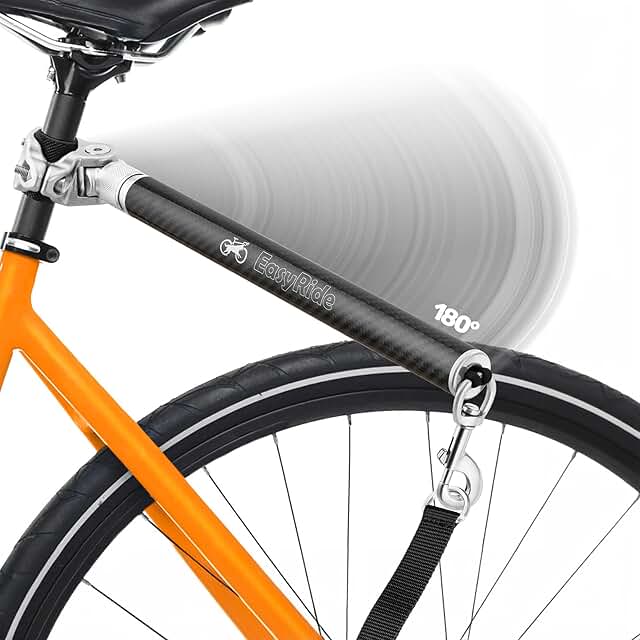
The V2.0 leash is designed to reduce pulling tension and increase safety during mountain rides. Its rotating 180° mechanism lets dogs move freely from side to side while the quick-attach carbon fiber handle makes setup fast between bikes or rides. The carbon fiber construction is highlighted as significantly stronger and lighter than traditional materials, which can contribute to longer trips on rugged trails. The leash is adjustable to fit different dog sizes, and the rotating feature minimizes abrupt changes in direction that can throw off balance on uneven terrain.
Key features include a patent-pending rotating connection that allows a wide range of motion without tangling or catching on tires, and a detachable design for easy storage. With the lightweight, high-strength carbon fiber, this option targets riders who value progressive control and a clean aesthetic on a mountain route. The product also emphasizes a secure quick-release mechanism for rapid detachment when needed, which can be essential during grueling ascents or technical sections.
Performance notes: the rotating head reduces side-to-side resistance, helping maintain momentum on loose dirt and rocky sections. While it prioritizes comfort and smooth rides, it’s important to ensure the leash length is properly adjusted to balance dog space with wheel clearance. Regular inspection of the attachment points will help maintain long-term reliability on challenging trails.
Hands-Free Bicycle Dog Leash — 180° Rotating Or Fixed

This leash offers both 180° rotation and a fixed mode, providing riders with flexible control in varying trail conditions. The built-in shock-absorbing spring helps soften sudden pulls during fast descents or twitchy dog behavior on rocky paths. The product uses corrosion-resistant stainless steel quick couplings and a reinforced steel wire rope, wrapped in anti-rust PVC for durability in harsh weather. Reflective design elements improve visibility in low light, a practical feature for dawn or dusk rides on forested or rural trails.
From a usability standpoint, the leash supports stability by dampening jerks that can occur when a dog accelerates or adjusts course unexpectedly. The combination of robust materials and a simple locking mechanism makes it suitable for riders who balance speed with control. As with all hands-free systems, riders should practice before tackling tricky terrain to learn the appropriate speed and distance for their dog.
Mountain biking on uneven ground demands awareness of line choice and pedal clearance. This leash’s adjustable length helps tailor the distance to dog size and rider preference, while the rotating head minimizes tangling on tight switchbacks. If the trail includes steep descents, using the fixed mode can provide additional control and reduce distractions from a roaming companion.
Dog Bike Leash — Hands-Free Attachment for Dogs
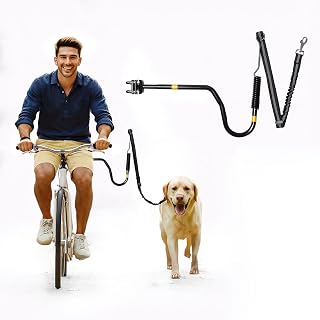
This leash emphasizes a high-mounted design that keeps the leash well above the wheel line, reducing the risk of pedal contact during rough sections. The shock-absorbing feature promises smoother rides when dogs accelerate or stop abruptly at trail junctions. The installation and adjustment are described as simple, with a focus on compatibility across a range of mountain bike setups. Reflective stitching or running gear visual cues improve safety by enhancing visibility after dusk on forest roads or gravel trails.
For the mountain rider, the adjustable length supports different dog sizes, from mid-sized companions to larger breeds. The heavier-duty construction aims to resist wear from repeated flexing and outdoor exposure. When evaluating on steep climbs, the leash can be lengthened to give the dog space to pace, while the rider maintains a safe distance from the wheel. Regular checks on mounting hardware remain recommended to ensure consistent performance on longer trips.
Dog Bike Leash — Hands-Free Attachment
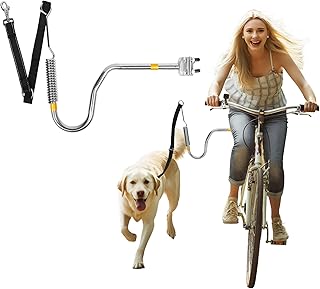
This option focuses on universal fit for a range of seat-post diameters, ensuring compatibility with many mountain, road, or hybrid bikes. The leash keeps the dog roughly 13 inches from the wheel via an elevated pivot arm, helping prevent pedal interference and tangling. Quick attach/detach is a key feature, allowing riders to remove the leash rapidly for breaks at scenic overlooks or trailheads. Shock-absorption and a tangle-free design are highlighted as important safety features for dynamic mountain routes, where sudden changes in direction are common.
Durability is a recurring theme, with reinforced materials and robust connectors designed to withstand rugged off-road use. Proper installation, including securing the post clamp and verifying leash alignment, enhances safety across diverse terrain. This model suits riders who value a straightforward setup and a compact, travel-friendly leash that can be quickly deployed or stowed between segments of the ride.
Buying Guide: Key Considerations For Mountain Bike Dog Leashes
Choosing the right mountain bike dog leash involves balancing control, safety, and comfort for both rider and canine. This guide outlines practical considerations and how different design choices affect real-world riding on rough terrain.
- Rotation vs. fixed position: A 180° rotating leash prevents tangling and distributes pull more evenly. Fixed modes can offer greater control on steep or technical sections where a dog should ride on a predictable line.
- Shock absorption: Built-in springs or dampers reduce jerk during acceleration or sudden stops, minimizing stress on the rider’s arms and the dog’s neck. This is especially important on rocky descents and bumpy trails.
- Materials and durability: Carbon fiber and stainless steel components improve strength-to-weight ratios and resist weathering. Look for rust-proof coatings and reinforced wires for longevity on mountain trails.
- Attachment mechanism: Quick-connect hardware and easy detach/attach features save time at trailheads and campsites. Ensure compatibility with your bike’s seat post or frame attachment points.
- Length and dog size: Adjustable lengths accommodate small to large dogs, aiding in pedal clearance and line control. A shorter leash reduces risk on narrow trails; a longer leash provides space on wide-open sections.
- Safety features: Reflective stitching, visibility aids, and foot clearance from pedals contribute to rider and pet safety in low-light conditions and at trail entrances.
- Installation and maintenance: Choose models with clear installation guides or tool-free setups. Regular checks on clamps, springs, and connectors prevent failure during rides.
In evaluating options, consider your typical trail profile: technical singletrack, rocky descents, or long forested logging roads. A rotating, shock-absorbent design is generally advantageous for rugged terrain, while a dependable quick-attach system matters for frequent stops. Always select a leash compatible with your bike’s geometry and your dog’s temperament and training level. Training your dog to stay in a safe zone beside you while you navigate obstacles can significantly improve trail safety and enjoyment.