The right rear tire can dramatically affect stability, traction, and ride confidence on mixed terrain. This article highlights five mountain bike back tires that balance grip, durability, and roll efficiency for American trails. Each option is evaluated on tread design, puncture protection, and compatibility to help you choose a tire that fits your riding style and wheel size.
| Product | Brand | Key Strength |
|---|---|---|
| MAXXIS Aggressor – Dual Compound | Maxxis Store | Rear-oriented tread, Exo protection, dual compounds |
| Schwinn Replacement Bike Tire (29″, Kevlar) | Schwinn | Puncture resistance, durable construction |
| Blackburn Mountain Tire 26″ | Blackburn | Enhanced strength, aggressive knobby tread |
| Schwinn Replacement Tire (26″ x 1.95″) | Schwinn | High-traction tread, compatible with internal rims |
| Hycline Mountain Tire 26″ | Hycline Store | Open tread for soil penetration and mud clearing |
MAXXIS Aggressor – Dual Compound – EXO, DD
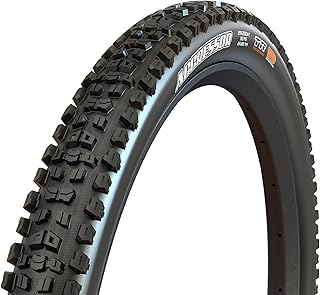
The Maxxis Aggressor is designed for high-speed, hard-packed rocky trails, with rear-wheel emphasis when paired with a front tire like Minion DHF or Assegai. Its dual compound construction balances rolling resistance with grip, while EXO sidewall protection adds defense against cuts and abrasion. This tire is suitable for a broad range of riding from gravel to XC to lighter trail duties, making it a versatile rear option for riders seeking durability without sacrificing traction on rugged surfaces.
Schwinn Replacement Bike Tire, 29″ Kevlar

This Schwinn 29-inch mountain bike tire features a Kevlar puncture guard and steel bead construction for durability on off-road trails. The construction aims to resist flats and provide stable performance across rough terrain. Wide, well-spaced knobs promote high-traction handling and effective mud shedding, supporting confident riding on varied trail surfaces.
Blackburn Mountain Tire 26″ x 1.75-2.25

The Blackburn tire features a protective layer under the tread that increases strength and puncture resistance by about 30%, along with a new optimized tread for superior traction and control. Its tall, knobby design is intended to deliver solid grip on both smooth trails and technical single track, with a focus on reliability in variable conditions.
Schwinn Replacement Tire, 26″ x 1.95″
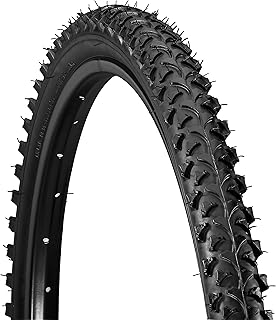
Designed for 26″ diameter internal rims, this Schwinn tire fits a width range from 19mm to 29mm and corresponds to the 54-559 ETRTO sizing. Its wide, blocky knobs deliver improved traction for loose or rocky terrain, supporting stable handling when negotiating varied off-road conditions.
Hycline Mountain Tire 26″

The Hycline Mountain Tire comes in 26″ size with a folding design and wear-resistant construction. It supports tire widths from 1.95″ to 2.125″ and a PSI range of 30–80. Its open, aggressive tread enhances soil penetration and mud-clearing ability, making it suitable for mixed trails and damp conditions.
Buying Guide
Key considerations help determine the best mountain bike back tire for your setup and riding style:
- Riding terrain and tire pressure: For rocky or loose trails, choose tires with aggressive tread and a higher PSI range to maintain control without excessive rolling resistance.
- Tread design and grip balance: Dual-compound treads offer a compromise between durability and bite. Knobby patterns affect mud shedding and cornering grip on off-camber sections.
- Puncture protection: Sidewall protection (like EXO) and Kevlar baselayers reduce flats in thorny or rocky environments, particularly important for rear tires under load during climbs and descents.
- Tire width and rim compatibility: Confirm the tire width fits your rims and frame clearance. Internal rim widths influence sidewall support and overall footprint on the trail.
- Tubeless readiness: Tubeless setups reduce pinch flats and allow lower pressures for improved traction, but require compatible rims, tires, and sealant.
- Durability vs. rolling efficiency: A tougher tire may resist flats but can weigh more or roll slower. Match durability to your willingness to trade speed for reliability.
- Rear-tire role in pairing: In many setups, the rear tire prioritizes stability and control; pairing with a front tire that complements grip and steering is common for versatile trail performance.