Optimizing your mountain bike setup with aero bars can reduce wind drag and improve overall efficiency on long rides, gravel routes, and mixed-terrain adventures. This guide reviews five top options available on Amazon, covering quick-release clips, carbon and alloy builds, and different bend styles to suit road-to-mountain transitions. Each pick balances weight, comfort, and installation ease, helping you choose aero bars that fit your bike, riding style, and ambitions.
Summary Table Of Chosen Products
| Product | Brand | Type | Key Benefit |
|---|---|---|---|
| BBB AeroMax Two-Piece | BBB | Two-piece aero bars with J-bend | Maximum aerodynamics and padded comfort |
| REDSHIFT Quick-Release L-Bend | REDSHIFT | Clip-on aero bars, L-bend | On-the-fly road-to-aero switching |
| REDSHIFT Quick-Release S-Bend | REDSHIFT | Clip-on aero bars, S-bend | Fast, tool-free installation and removal |
| Alfa Pasca Aero Bars | Alfa Pasca | Carbon fiber MTB aero bars | Lightweight with strong carbon construction |
| JETCAT Mountain Bike Handlebars | JETCAT | 31.8 mm MTB bars | Ergonomic, durable, versatile for MTB and e-bikes |
BBB AeroMax Aluminium Two-Piece Aero Bars

The BBB AeroMax BHB-60 aero bars blend a two-piece aluminium construction with J-bend bars designed to maximize aerodynamics. The kit emphasizes a highly adjustable arm pad setup to tailor reach and comfort, allowing riders to lock in a forward-leaning position that reduces frontal area. The bars measure 350mm in the J-bend extension, enabling a compact aero stance without sacrificing control on rough terrain. Foam padding made from EVA material contributes to a comfortable ride by dampening vibration and providing a secure grip during extended efforts. Ideal for riders seeking a balance between aero gains and trail-ready durability.
Key features include a two-piece aluminium frame for straightforward installation, extended J-bend arms for improved aerodynamics, and EVA foam padding that softens contact points. While designed with road and triathlon potential in mind, the BBB AeroMax setup can be effective on mixed-surface rides where a low-drag, stable position matters. Typical installation requires standard tools and compatible handlebars, with attention paid to correct alignment and secure clamping. Overall, a solid option for riders prioritizing aero gains without compromising ride feel on bumpy sections.
REDSHIFT Quick-Release Clip-On L-Bend Aero Bars
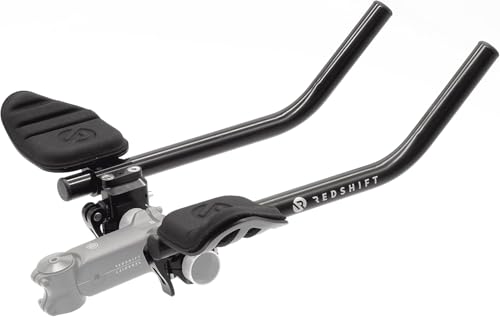
REDSHIFT’s L-bend aero bars feature a patented quick-release system that lets riders switch between road and aero positions during a ride without tools. This adaptability is valuable for mixed-terrain adventures where you might need a comfortable upright position on climbs and a tighter aero stance on flats or descents. The clip-on design allows easy attachment and removal, keeping the overall bike setup lightweight and modular. The L-bend version aims to balance ease of use with reliable aerodynamics, making it a practical choice for riders who shift between road routines and technical trails.
From a performance perspective, the quick-release mechanism facilitates rapid transitions, while the clamp system is intended to maintain a consistent setup after reattachment. This reduces the risk of misalignment and ensures repeatable positioning. For riders who value versatility and speed between different riding modes, the L-bend REDSHIFT aero bars offer a straightforward path to enhanced aerodynamics without heavy hardware changes. Installation is typically quick and can be done with minimal tools or none at all, depending on the bike’s existing bar configuration.
REDSHIFT Quick-Release Clip-On S-Bend Aero Bars

The S-bend variant from REDSHIFT shares the same quick-release concept but uses an S-shaped bend for a slightly different reach and hand position. The design emphasizes fast transitions between road and aero positions and is optimized for ease of use on the go. This clip-on solution is suitable for a wide range of bikes, including mountain and hybrid setups, where you want to preserve steering feel while gaining aerodynamic advantages on long stretches. As with the L-bend model, the S-bend version focuses on rapid installation and removal without tools, allowing riders to adapt their posture as terrain changes.
When evaluating this option, consider your typical riding posture, arm reach, and handlebar diameter. The S-bend geometry can influence leverage and comfort, particularly on rough sections where vibration transmission matters. The accessories and clamps are designed to be compatible with most 22.2mm or 31.8mm handlebars, but confirming fitment with your specific bike is recommended. Overall, the S-bend REDSHIFT aero bars offer a practical blend of accessibility and aero performance for riders who value quick adaptability.
FIFTY-FIFTY Bike Bar Ends For Mountain Bikes

These aluminum MTB bar ends from FIFTY-FIFTY are designed to extend your leverage and provide additional hand positions, especially on long climbs or technical sections where grip variety matters. Made from 6061 T6 aluminum, they emphasize light weight and high strength, with an ergonomic bend and sand finish to reduce fatigue and vibrations. They fit 22.2mm outer diameter bar ends and are compatible with standard MTB configurations used on road bikes as well. While not a traditional aero bar, bar ends can supplement an aero setup by enabling a more varied grip that supports sustained effort with reduced arm fatigue on rugged trails.
Installation is typically straightforward, involving secure clamping at the bar end. The ergonomic design helps distribute pressure across the hands and forearms, enhancing comfort on multi-hour rides. For riders seeking additional grip options and a stable extension that does not rely solely on handlebar-mounted extensions, these bar ends offer a practical, durable upgrade.
RXL SL Carbon Road Bike Aero Bars

These carbon aero bars from RXL SL emphasize lightness and structural stiffness with a 400mm drop bar length, 31.8mm clamp diameter, and 3K matte finish. The carbon construction contributes to lower weight and better vibration management, which can translate to a more efficient power transfer and steadier handling on fast, open sections. The bar width options (400/420/440mm) and a drop of 127mm, with a reach of 104mm, offer a versatile fit for riders seeking a streamlined, aerodynamic profile. Compared to aluminum options, carbon bars often deliver a noticeable edge in weight savings and aesthetics, along with improved resistance to fatigue over long rides.
When selecting aero bars, weight, stiffness, and compatibility with your current cockpit are critical. This carbon option also benefits from a smooth inner surface that can reduce air resistance and contribute to a cleaner, more integrated look on high-performance builds. Riders should ensure proper torque specifications during installation to avoid over-tightening the carbon structure, which can compromise strength. Overall, the RXL SL carbon bars are geared toward riders prioritizing weight savings and aero efficiency in a road-to-trail hybrid context.
JETCAT Mountain Bike Handlebars

JETCAT MTB handlebars are designed for versatility across mountain bikes and e-bikes, offering a 31.8mm diameter with an emphasis on ergonomic comfort and stability. The 31.8mm spec supports a wide range of aero bar extensions and other cockpit upgrades, making it a practical base for riders who want reliable performance in rugged terrain. The build promises durability and a comfortable grip, which can be crucial during long rides that mix steep climbs and fast descents. Easy installation with precise markings helps ensure proper alignment and a secure fit, preserving control during aggressive handling.
From a performance perspective, these handlebars focus on delivering a stable platform that reduces fatigue while accommodating integrated aero components. Compatibility with various aero bar systems and the general MTB cockpit makes JETCAT a flexible option for riders seeking a robust, all-purpose bar that can support aero additions without compromising trail feel. As with any carbon or alloy upgrade, consider weight goals, riding style, and the bike’s existing geometry when choosing this component.
Buying Guide
- Riding Style and Terrain: For long gravel or mixed-terrain rides, clip-on aero bars with quick-release mechanisms (L-bend or S-bend) offer the best adaptability. Mountain-focused riders may prefer bar ends or carbon bars that balance weight with stiffness.
- Material and Weight: Carbon bars excel in weight savings and vibration damping but can be pricier and more sensitive to installation torque. Aluminum options tend to be robust and affordable, suitable for aggressive trail use.
- Clamp Diameter and Compatibility: Most aero bars use 31.8mm clamps, but some options fit 22.2mm ends or require adapters. Always verify compatibility with your cockpit, stem, and handlebars before purchasing.
- Installation and Adjustment: Quick-release systems save time and reduce the need for tools during transitions between riding modes. Ensure secure clamping and proper alignment to prevent shifting under load.
- Ergonomics and Comfort: Pads, padding material (like EVA), and bar shape influence comfort on longer rides. Test different reach and drop configurations to minimize shoulder and neck strain.
- Durability and Warranty: MTB-friendly aero bars must withstand vibrations and occasional impacts. Look for reinforced joints, protective finishes, and vendor warranties for peace of mind.
Choosing aero bars involves balancing aerodynamics with practicality. For riders who frequently switch between road-like aero positions and technical mountain trails, a modular clip-on system with quick-release is often the best pick. If weight savings are paramount and you ride mostly on smooth surfaces, carbon bars may deliver the greatest efficiency. Always verify fitment, consider your overall cockpit geometry, and ensure torque specifications are followed during installation to maximize performance and safety.