Choosing a motorized bike for kids blends excitement with safety. This guide highlights five top picks that balance power, durability, and kid-friendly controls. Each option covers different ages and riding ambitions—from beginner balance bikes to more advanced electric dirt bikes. Read on for quick product insights, a practical buying guide, and considerations to help you pick the right ride for your child.
Product Overview
| Product | Brand | Key Features | Age Range | Speed Range |
|---|---|---|---|---|
| Razor MX125 Dirt Rocket | Razor | Authentic motocross geometry, rear-drive, 100-watt motor | 7+ | Low-to-moderate |
| Hiboy Electric Balance Bike | Hiboy Store | 12-inch tires, adjustable seat, up to 9 mph | 3–5 | Up to 9 mph |
| AIII Lightweight Electric Motorcycle | AIII Store | 24V, detachable battery, dual-speed up to 10 mph | 3–6 | Up to 10 mph |
| S6 12V Kids Motorcycle | — | Two 25W motors, training wheels, Bluetooth and music | 3–6 | 1–3 mph |
| Razor MX350 Dirt Rocket | Razor | 24V, swing-style frame, 14 mph top speed | 8+ | Up to 14 mph |
The following sections present five selected models in detail, helping you compare features, safety measures, and riding suitability for different ages and skill levels. Each product block links to Amazon for quick access and additional options.
Razor MX125 Dirt Rocket Electric Bike
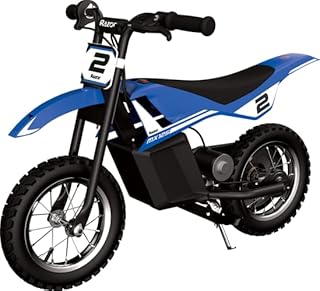
The Razor MX125 Dirt Rocket offers a compact, kid-friendly motocross-inspired ride. With a rear-wheel drive setup and a 100-watt chain-driven motor, this model emphasizes throttle control and predictable acceleration suitable for younger riders. Constructed to handle light off-road vibes, it blends durability with approachable power. Aimed at ages 7 and up, the MX125 prioritizes safety alongside the thrill of an authentic motocross feel.
Hiboy Electric Balance Bike

The Hiboy balance bike focuses on early riding confidence with 12-inch tires and a lightweight frame. Its adjustable seat accommodates growth from ages 3 to 5, while the motor provides a gentle assist, helping kids develop balance before advancing to pedaled bikes. A 21.6V battery drives a 150W peak motor for up to 9 mph, covering roughly 4.9 miles per charge. Quick three-to-four-hour recharges and IPX4 waterproofing add practicality for everyday use and varied weather.
AIII Lightweight Electric Motorcycle for Kids

AIII’s lightweight electric motorcycle targets first-time riders with adjustable speed options and a detachable 24V battery. Two speed settings, including a beginner mode at 5 mph and a higher mode reaching 10 mph, support gradual skill development. The aluminum frame and 23.2-pound weight emphasize portability. A detachable 24V 2.6Ah lithium battery offers 40–60 minutes of run time with a rapid 1.5–2 hour recharge, complemented by a throttle-mounted LED display for battery awareness.
S6 12V Kids Motorcycle

The S6 12V Kids Motorcycle emphasizes safety with two 25W motors and a controlled top speed of 1–3 mph, making it suitable for younger children. The model includes training wheels for added stability and a Bluetooth-enabled multimedia experience that can entertain young riders during breaks. This design focuses on steady, secure practice and parental peace of mind during the early riding stages.
Razor MX350 Dirt Rocket Electric Bike

The Razor MX350 Dirt Rocket is designed for older kids who crave more speed and a more rugged vibe. With a 24V battery and a top speed up to 14 mph, this model echoes real dirt bike dynamics, including a strong steel frame and durable plastics. It features a comfortable ride with a twist-grip throttle, soft grips, and adjustable handlebars. It’s well-suited for gentle hills and varied terrain in safe, supervised settings.
Buying Guide: Practical Considerations For Selecting A Kid’s Motorized Bike
- Age and skill level: Start with models designed for younger riders with lower speeds and robust safety features, then progress to higher-powered bikes as confidence and skill grow.
- Safety features: Look for training wheels, sturdy frames, protective braking (rear and/or front), and simple throttle controls. Certifications and parental controls can also improve safety.
- Weight and portability: Lighter bikes are easier for kids to manage, transport, and store. Detachable batteries can simplify charging and replacement.
- Battery life and charging: Consider run-time per charge and recharge duration. For longer play sessions, choose models with efficient batteries and reliable charging options.
- Terrain compatibility: If riding on grass or dirt, prioritize motor power, suspension, and tire type that handle uneven surfaces. For pavement, stabilize with a balanced chassis and stable tires.
- Maintenance needs: Check frame durability, motor serviceability, and availability of spare parts. Simpler designs often require less ongoing maintenance.
- Supervision and safety gear: Adult supervision is essential, along with appropriate gear like helmets, knee pads, and elbow guards tailored to the ride’s speed and surface.
- Growth trajectory: Some bikes offer adjustable seats, speeds, and modular batteries to accommodate a growing child without frequent replacements.
- Budget and long-term value: Weigh upfront cost against expected lifespan, upgrade options, and included warranties to maximize long-term value.
In summary, the best motorized bikes for kids combine safety, progressive speed, and durability. Selecting a model aligned with your child’s age, riding environment, and comfort level helps ensure enjoyable, confident riding experiences while keeping safety at the forefront.