Choosing the right motorbike for a 13-year-old combines safety, age-appropriate power, and engaging features. The following options cover electric and gas mini bikes, pocket bikes, and RC alternatives, providing varied speeds, weight support, and durability. This guide highlights five well-suited models to help parents and guardians compare performance, ease of use, and long-term enjoyment for tweens and early teens.
| Product | Brand | Top Speed (approx.) | Power Type | Notes |
|---|---|---|---|---|
| Razor MX350 Dirt Rocket Electric Bike | Razor Store | Up to 14 mph | Electric | Age 8+, 140 lb max, 24V battery |
| FRP Mini Dirt Bike GMB100 | FRP Store | Up to 28 mph | Gas 99cc | Up to 220 lbs, 15W-40 oil |
| XtremepowerUS 40CC Pocket Bike | XtremepowerUS Store | Varies, generally fast | Gas 40cc | Adult/teen use, steel frame |
| Razor MX125 Dirt Rocket | Razor Store | Up to 8 mph | Electric | Age 5+, 100 watts |
| RC Motorcycle with RGB Wheels | iappadore Store | Up to 10 km/h | RC Electric | Drifts, 360° spins, kid-friendly |
Razor MX350 Dirt Rocket Electric Bike

Razor’s MX350 is a compact, electric dirt bike designed for younger riders seeking outdoor adventures. With a 24V battery system, it reaches speeds up to 14 mph and is built on a durable steel frame with dirt-bike geometry. A double-crown fork and shatter-resistant fairings help withstand grassy hills and backyard trails. The ride emphasizes control and comfort, featuring soft rubber grips, adjustable handlebars, a twist-grip throttle, and a rear brake for reliable stopping power.
Key considerations include the weight limit of 140 lbs and the bike’s suitability for gentle inclines and small off-road surfaces. It is a great step up from beginner rides, offering authentic motocross aesthetics without overwhelming speed for most 13-year-olds. For families prioritizing safety and parental supervision, the MX350 provides a balanced experience with straightforward maintenance and a familiar feel for riders transitioning from smaller bikes.
FRP Mini Dirt Bike GMB100 (99cc)

The FRP GMB100 offers a larger, gas-powered option with a 99cc engine, capable of speeds up to 28 mph. It supports riders up to 220 lbs and provides an estimated range of up to 30 miles on a small fuel fill. Notable features include an LED headlight and a neck gaiter for off-road protection. This setup is typically recommended for riders aged 13 and older who want higher performance and longer ride times in varied terrain.
Maintenance considerations include oil requirements (15W-40), oil-muel balances, and regular starting checks. The model emphasizes straightforward starting with a three-pull ignition, reducing potential frustrations for new riders. Weight capacity and higher speed potential make it suitable for older teens or confident riders who have prior experience with smaller bikes.
XtremepowerUS 40CC Pocket Bike
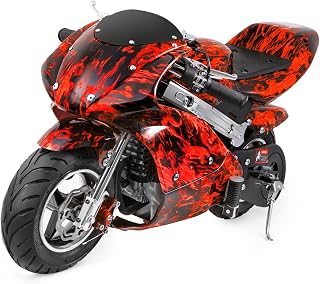
This pocket bike is designed for older children and teens, featuring a 40cc gas engine and a sturdy steel frame for stability during driveway or parking-lot riding. The engine is described as fuel-efficient with a longer lifecycle, and the frame’s high-tensile steel construction enhances durability under typical teen riding scenarios. It is essential to supervise use and ensure protective gear is worn due to higher potential speeds and operating environments outside smooth pavement.
Razor MX125 Dirt Rocket Electric Bike
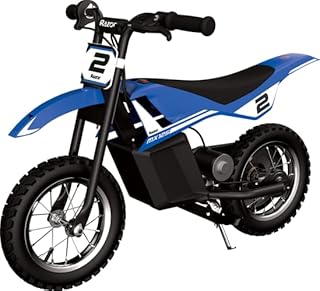
Razor’s MX125 offers a smaller electric dirt bike experience with a top speed around 8 mph. It is suitable for younger riders and those new to dirt bikes, featuring 12” spoked wheels with pneumatic tires, a crossbar-reinforced handlebar, retractable kickstand, and a rear brake for simple stopping control. A high/low speed switch allows customization of the ride, ensuring a safer introduction to motorized bikes for grades or ages around 5 and up, while still appealing to early teens upgrading from basic ride-ons.
RC Motorcycle With RGB Wheels Lights

For a non-motorized alternative with engaging visuals and controllable features, this RC motorcycle offers RGB wheel lighting and 360-degree motion capabilities, including drifting and spins. It runs on a 3.7V 1200 mAh rechargeable battery with two motors, delivering roughly 22–25 minutes of stunt time and a top speed near 10 km/h. The design includes stability aids like side wheels to assist younger operators while still delivering a high fun factor for teens exploring RC vehicle play.
Buying Guide: Key Purchase Considerations
- Age and weight suitability: Ensure the model supports the rider’s age, height, and weight. Batteries and engines have maximum limits that affect performance and safety.
- Power and speed balance: Electric models typically offer safer, lower top speeds, while gas-powered options provide higher speeds and longer ride time, but require more maintenance and supervision.
- Terrain and use case: Consider where the bike will be ridden (backyards, driveways, light trails). Some bikes excel on smooth surfaces, others perform better off-road with proper gearing and tires.
- Safety gear and supervision: Regardless of model, require a proper helmet, pads, and protective gear. Parental supervision and clear riding rules are essential for younger riders.
- Maintenance and parts availability: Electric bikes often have lower ongoing maintenance; gas bikes require fuel management, oil, and more frequent servicing. Verify that replacement parts are readily available.
- Durability and build quality: Look for steel frames, reinforced handlebars, and quality brakes. Durable plastics and shrouds should withstand minor crashes and impacts.
- Battery life and charging: For electric bikes, check battery capacity, charging time, and available spare batteries. Short ride times may necessitate frequent recharges or a second battery.
- Safety features: Consider models with low-speed modes, reliable brakes, and stable handling to minimize risk during learning phases.
- Skill progression: Start with models offering lower top speeds and easier handling, then transition to more capable bikes as the rider gains confidence and experience.
- Legal and neighborhood considerations: Some regions limit the use of certain motorized vehicles on public property. Confirm local guidelines for youth motorized devices.
Across these options, the best match depends on the rider’s experience, willingness to maintain the vehicle, and the environments where riding will occur. Electric bikes deliver immediate control with simpler upkeep, while gas-powered models offer higher speeds for more seasoned riders. RC options provide a low-risk alternative for developing coordination and interest in motorized toys before moving to pedal or motorized bikes.