Motor kits for bikes let riders convert standard bicycles into powered machines, expanding commuting options or enabling weekend adventures. This guide highlights five widely used kits, summarizing their power, compatibility, and installation considerations. Each option is linked to Amazon for quick access and product details.
| Product | Engine Size | Compatibility | Key Benefit |
|---|---|---|---|
| IMAYCC Bike Motor Kit 100cc | 100cc | 26-28″ bikes | Higher power for faster rides |
| 110cc Bicycle Engine Kit | 110cc | 26″ / 28″ bikes | Durable, long-distance ready |
| 2 Stroke Mini Bike Engine | 49cc | Pocket to mid-size bikes | Compact, lightweight option |
| 80CC 2-Stroke Bicycle Motor Kit | 80cc | 26-28″ bikes | Affordable, simple upgrade |
| 125CC 4 Stroke Engine Motor Kit | 125cc | Dirt bikes, pit bikes, 26-28″ wheels | More torque for rugged use |
All five options come as complete kits or with essential components for installation. Read the included instructions, and consider watching installation videos to anticipate challenges—especially if you’re new to engine kits. Below, each product is explored in detail with its features, fit, and practical considerations.
IMAYCC 100cc Bike Motor Kit

The IMAYCC 100cc Bike Motor Kit is designed for 26-28″ bicycles and aims to deliver a balance of power and durability. The kit specifies a 2kW output at 6500 rpm, which translates into noticeably faster acceleration and cruising ability compared with smaller engines. Assembly notes emphasize basic hardware skills and 2-4 hours for installation and fine-tuning. The kit includes a single-cylinder, air-cooled two-stroke engine with CDI ignition and foot-pedal starting. A 44-tooth sprocket and 110-link chain are listed as standard, with 36 spokes on the bicycle wheel accommodating the setup. While it offers significant performance, potential buyers should account for mounting space, heat management, and local regulations regarding motorized bicycles. YouTube tutorials labeled “IMAYCC Bicycle Engine Kit” are recommended to aid first-time installers.
110cc Bicycle Engine Kit

The 110cc kit offers a more robust engine suitable for longer rides and heavier bikes. The 2-stroke 110cc single-cylinder engine features a wired digital computer, delivering up to 3 kW at around 6000 rpm. The manufacturer promotes durability, suggesting compatibility with most 26″ and 28″ V-frame bikes such as mountain, road, and commuter styles. A notable advantage is quieter operation relative to other two-stroke alternatives, which reduces environmental noise concerns during use. Installation is described as straightforward for riders with basic mechanical experience, though attention to heat dissipation and secure mounting remains essential for sustained performance.
2 Stroke Mini Bike Engine

The 49cc mini bike engine is a compact option suitable for pocket bikes, small mid-size bikes, or as a lighter add-on. It features a single-cylinder, air-cooled two-stroke design with a CDI ignition and a foot-start method. The setup emphasizes portability and simpler installation, which can be appealing for hobbyists seeking a modest boost rather than high-speed performance. Operators should consider wheel compatibility, overall weight distribution, and the impact on ride ergonomics, as a smaller engine can affect balance and handling on larger frames.
80CC 2-Stroke Bicycle Motor Kit

The 80cc engine offers an approachable upgrade for 26-28″ wheel bikes. It features a single-cylinder, air-cooled two-stroke design with CDI ignition and a kick starter. While not as powerful as the 100cc or 110cc options, the 80cc kit provides solid performance for riders seeking a balanced boost without excessive weight. Pros include straightforward installation and compatibility with common bicycle frames. Potential drawbacks include the need for careful heat management on longer rides and ensuring the kit does not interfere with braking or derailleur systems on some frame configurations.
125CC 4 Stroke Engine Kit
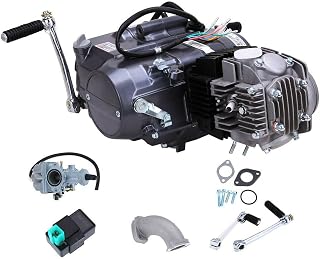
The 125cc four-stroke engine adds substantial torque and steadier power delivery, suitable for dirt bikes, pit bikes, and rugged use on 26-28″ wheels. It features a manual clutch and air-cooled design, often aligning with more advanced riders who want control over gear changes and pedal start reliability. The kit is generally aimed at users who already have or want to mod dirt and pit bike platforms, as heavier duty installation may require frame reinforcement and careful alignment of drive components. Expect longer installation time but enhanced performance on steep grades and off-road terrain.
Buying Guide
When selecting a motor kit for bikes, consider the following factors to ensure a good match with your riding goals and bicycle frame:
- Engine size and power: Larger displacement yields more speed and hill-climbing ability, but adds weight and vibration. Balance your needs with frame strength and rider experience.
- Bike compatibility: Confirm wheel size (26″ or 28″), frame type (V-frame, mountain, road), and available space for mounting the engine, fuel tank, and exhaust hardware.
- Installation effort: Some kits require more mechanical skill and tools. Check if you have or can access the necessary equipment and whether installation is a weekend project or a longer-term upgrade.
- Starting method and reliability: Kick start, foot pedal start, or electric start all have practical implications for convenience and maintenance in varying environments.
- Noise and vibration: Two-stroke engines tend to be louder and produce more vibration than four-stroke options. Consider noise-sensitive environments and personal comfort.
- Maintenance and parts availability: Look for kits with readily available spare parts, gaskets, and filters. Digital ignition and wiring should be checked for compatibility with existing bike electronics.
- Legal and safety considerations: Local regulations may restrict motorized bicycles, especially in residential or pedestrian-heavy zones. Safety gear and protective measures should accompany use.
- Fuel efficiency vs. performance: Higher displacement often means more fuel consumption. If you ride long distances, assess the trade-off between speed and economy.
Additional Considerations
Users should plan for potential impacts on bicycle handling, braking performance, and chain drive alignment. It’s beneficial to consult the manufacturer’s installation guide and consider professional installation if the bike frame requires precision alignment or if you intend to use the kit on public roads with motorized components. Proper maintenance, including regular inspection of mounting brackets, exhaust connections, and cooling fins, helps ensure long-term reliability and rider safety.