Finding the right mini glider balance bike combines safety, ease of use, and growth value for toddlers and preschoolers. This guide highlights five top picks that help children learn balance before pedaling, with adjustable features, sturdy frames, and kid-friendly designs. Each option focuses on stability, lightweight handling, and quick setup so parents can get their child riding confidently in minimal time. Read on for concise product details and a practical buying guide to compare features side by side.
| Product | Brand | Key Benefit |
|---|---|---|
| JOYSTAR 10″/12″ Toddler Balance Bike | JOYSTAR Store | Lightweight, adjustable seat/handlebar, pedal-free learning |
| Bobike Toddler Balance Bike | Bobike Store | Durable carbon steel frame, easy assembly |
| Gotrax Baby Balance Bike | Gotrax Store | Sturdy steel frame, stable with silent wheels |
| newyoo Tricycles for 1-3 Year Olds | newyoo Store | Versatile modes including push and balance options |
| SEREED Toddler Balance Bike | SEREED Store | Tool-free adjustments, grow-with-child design |
JOYSTAR 10″/12″ Toddler Balance Bike

The JOYSTAR 10 Inch Balance Bike features a pedal-free design ideal for early balance training. Its lightweight frame weighs about 2.75 kg (6.05 lbs.), aiding active toddlers to propel and balance easily. An adjustable seat and handlebar with a quick-release seat clamp allows tool-free height changes as children grow from 18 months to around 5 years. A low step-through metal frame and integrated footrest help little riders mount and ride with stability.
Bobike Toddler Balance Bike

Bobike’s balance bike is designed for young riders up to 4 years old, focusing on balance fundamentals and early riding. The carbon steel body provides durability, while adjustable seat and enclosed non-slip wheels add safety and peace of mind. Quick assembly means parents can have the bike ready in minutes without specialized tools, supporting a smooth transition from walking to gliding and balancing on two wheels.
Gotrax Baby Balance Bike

Gotrax offers a stable design with a 7″ front and rear wheel setup and a sturdy steel frame supporting up to 66 lbs. The balanced wheel spacing and 45-degree steering limit help prevent tipping and provide a controlled ride for toddlers. The soft seat and low-profile design improve comfort for longer practice sessions, making it a practical first bike for early balance work and confidence building.
newyoo Tricycles for 1-3 Year Olds

newyoo’s multifunctional tricycle combines five modes, including push tricycle, push balance bike, and pedal-enabled modes. This makes it adaptable for ages 1 to 3, with a parent push handle that can rotate and adjust. The handlebar, seat, and pedals are adjustable, enabling a longer service life as a child grows. This flexibility supports learning progression from supported balance to independent riding.
SEREED Toddler Balance Bike
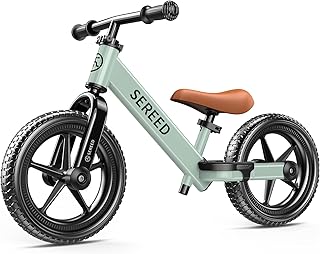
SEREED’s balance bike emphasizes safety and growth with a sturdy carbon steel frame supporting up to 110 lbs and a soft saddle with rubber grips. The tool-free adjustment range for seat (13-18 inches) and handlebar (20-23 inches) makes it easy to fit growing kids. A bonus personalize plate and stickers let children customize their bike, encouraging ownership and enjoyment during early riding practice.
Buying Guide for Mini Glider Balance Bikes
- Learning progression: Look for a pedal-free design or easy transition to pedals, so kids can master balance first.
- Adjustability: Prioritize adjustable seat height, handlebar height, and, if possible, frame length to accommodate growth from 18 months to 5 years.
- Weight and materials: Lightweight frames (aluminum or light steel) reduce effort for young riders, while durable steel or carbon steel frames increase longevity.
- Stability features: Wide wheelbase, low step-through frames, and limited steering angles enhance balance and prevent tipping during early practice.
- Safety components: Enclosed wheels, soft seating, non-slip grips, and footrests support safe mounting and dismounting.
- All-around versatility: Some models offer multiple configurations (push, balance, tricycle) to grow with a child’s needs and preference.
- Maintenance needs: Tool-free adjustments are convenient; confirm what tools, if any, are required for occasional tweaks.
- Age appropriateness: Check recommended age ranges and weight limits to ensure the bike fits the child’s current stage and growth trajectory.