Finding the right mini bike or youth bicycle for a 13-year-old involves balancing size, safety, and riding goals. The following selections offer beginner-friendly designs that support growing skills, whether chopping through streets, tackling light trails, or learning parks and ramps. Each model emphasizes sturdy construction, appropriate power for beginners, and reliable braking and control. Use this guide to compare features and pick a bike that fits your child’s height, riding style, and confidence level.
| Product | Brand | Key Benefit |
|---|---|---|
| Cubsala Freestyle BMX Bike, 20 Inch (Black) | cubsala | Beginner-friendly BMX for 4’0″–5’11” riders |
| FRP FX40-Ogemaw Kids Dirt Bike, 40CC | FRP | Low-speed, controlled dirt riding with safety brakes |
| XtremepowerUS | 4-stroke reliability with smooth acceleration | |
| Cubsala Freestyle BMX Bike, 20 Inch (White) | cubsala | Bright, beginner-friendly design for new riders |
| JOYSTAR Contender 20 Inch Bike (Blue) | JOYSTAR | Full suspension and kid-sized geometry for confident riding |
Cubsala Freestyle BMX Bike, 20 Inch Black

The Cubsala Crossea20 is designed as a first BMX bike for young riders. It suits heights roughly between 4’0″ and 5’11”, providing a comfortable stepping stone into street, park, or trail riding. Its Hi-Ten steel frame offers durability and long-lasting comfort, with a 19.5″ top tube suitable for mid-range youths. The drivetrain uses a 165 mm one-piece crank and a 32T chainring, paired with aluminum U-brake and hand-brake levers to deliver precise speed control for beginners.
Cubsala Freestyle BMX Bike, 20 Inch White

This white variant mirrors the black model with the same foundational geometry and components. It provides the same beginner-friendly reach and balance, making it easy for new riders to learn balance, braking, and basic stunts. The durable Hi-Ten steel frame supports daily street or park use and is well-suited for riders transitioning from training wheels to independent riding.
JOYSTAR Contender 20 Inch Bike (Blue)

The JOYSTAR Contender is built for kids aged 7+ with heights around 46–61 inches. This 20-inch single-speed bike features a full front suspension fork and rear spring shock for a smoother ride over uneven surfaces. A hi-ten steel frame plus durable components support growth in riding confidence, while the available kickstand adds convenience for young riders learning to park and manage their bike independently.
JOYSTAR Contender 20 Inch Bike (Black)
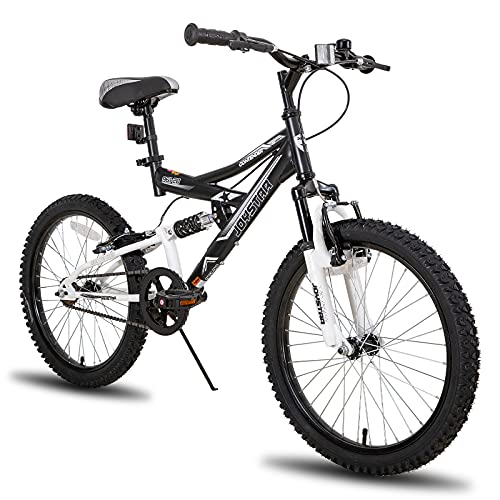
This black variant shares the same child-focused geometry and safety features as the blue model. Its dual-brake setup, hi-ten steel frame, and robust tires help maintain stability and control for beginners, while the dual-suspension layout reduces impact on rough surfaces. It remains a strong option for riders who want a more composed ride as they gain confidence in speed and handling.
Bixike Cruiser Style Bike (14–26 Inch)
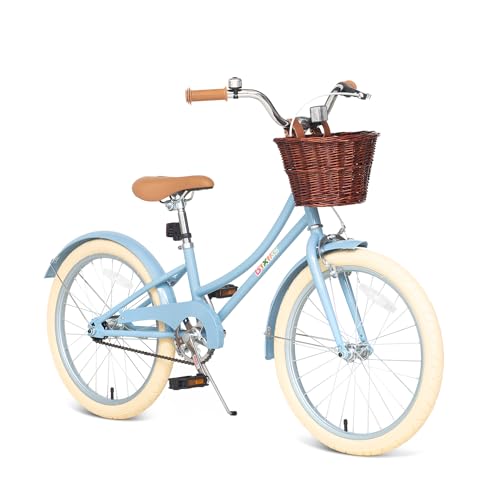
The Bixike lineup offers multiple wheel sizes from 14 to 26 inches, making it possible to find a fit for kids just reaching up to early teens. The kit includes a kickstand, training wheels, and a sturdy steel frame with brake systems suitable for beginners. The size guidance helps ensure riders aren’t outgrowing their bike too quickly and can advance skills safely as they mature.
JOYSTAR New Berry 14 Inch Bike (White)

The 14-inch New Berry model is designed for younger beginner riders or those transitioning from training wheels. It features a hi-ten steel frame with adjustable seating and handlebar positions to grow with a child. Dual braking options—front caliper brake and rear coaster brake—provide reliable stopping power, and the enclosed chain guard reduces the risk of clothing snag during learning phases.
Buying Guide: Key Purchase Considerations
When choosing a mini bike for a 13-year-old, consider fit, safety, and intended riding activities. Height and inseam measurements are essential to ensure proper pedal reach and control. Look for sturdy frames (preferably hi-ten steel), reliable braking systems (front and rear brakes or dual-control setups), and durable tires with adequate tread for street and light off-road use.
Power and speed should align with skill level. For first-time riders, bikes with modest gearing or beginner-friendly engines (for gas-powered mini bikes) help prevent overwhelm and reduce risk. For BMX-style models, weight distribution and brake responsiveness matter for learning basic tricks and balance.
Maintenance capabilities are also important. Simple maintenance tasks—tire inflation, chain lubrication, brake adjustments—should be feasible for a responsible rider or caregiver. Assembly ease matters, with many models offering pre-assembled frames and clear setup instructions to minimize initial setup time.
Safety gear should be considered a mandatory complement to the bike. A properly fitting helmet, knee and elbow pads, and gloves help mitigate injuries during learning and progressive riding. Finally, warranties and customer support can provide peace of mind as part of a long-term riding plan.
What To Compare Across Models
- Rider height range and adjustability
- Frame material, geometry, and weight
- Braking system and control precision
- Suspension (front, rear) and tire type for stability
- Maintenance needs and parts availability
These considerations help ensure a safe, engaging experience that matches a teen’s growth in riding skills. Each model above has strengths in balance, control, and durability, making them suitable options for a 13-year-old expanding from basic cycling to more versatile riding activities.