Turning a regular bicycle into an electric ride can boost speed, reduce effort on hills, and expand your daily commuting options. This guide highlights five relevant products that help you convert or upgrade bikes for electric assist, from under-saddle pedal assist units to full conversion kits and ready-to-ride e-bikes. Each option is evaluated for installation ease, compatibility, range, and overall practicality for American riders seeking reliable, safe electric biking experiences.
Overview of chosen products:
| Product | Brand | Type | Approximate Power | Notes |
|---|---|---|---|---|
| LIVALL Lite PikaBoost2 | LIVALL Store | Rear-mounted pedal assist device | Not specified; provides pedal assist | Easy installation; controller not included |
| Electric Bicycle Motor Kit | Unspecified | Conversion kit | 250W | Chain drive, DIY friendly |
| Electric Bike for Adults Teens (UL Certified) | Unspecified | Complete e-bike | Peak 1200W | Removable 48V battery; 35-mile range |
| Common Bike Left Chain Drive Kit | Unspecified | Chain-drive conversion kit | Unknown | Rear V-brake compatibility; varies by frame |
| URLIFE Electric Bike Folding | URLIFE | Folding e-bike | 500W peak | 30-mph potential; UL 2849 |
LIVALL Lite PikaBoost2: Easy Saddle-Mit Pedal Assist

The LIVALL PikaBoost2 is a rear-mounted pedal assist unit designed to add smart pedal support without changing the bike frame. It fits round seat posts between 25–35 mm and requires adequate clearance under the saddle. Installation is noted as quick and tool-lite, with a focus on not altering the original bicycle structure. While the controller is not included in the kit, the device offers uphill assist through smart sensors that adjust power based on riding conditions, making climbs more manageable for many riders.
Key considerations include battery independence, compatibility with non-suspension rear setups, and the need to download LIVALL’s app to keep firmware up to date. Potential buyers should confirm saddle clearance and ensure their bike’s post and frame allow saddle-mounted components without interference during pedaling or gear shifts.
Electric Bicycle Motor Kit: 24V 250W Conversion

This 24V, 250W motor conversion kit includes essential components: motor, chain, freewheel, mounting plate, controller, accelerator, and all necessary hardware. It targets 16–28 inch wheels and standard handlebars, making it compatible with many e-bike conversions, scooters, and DIY projects. The kit uses durable aluminum and steel parts with a focus on lightweight yet rugged construction, designed to withstand regular use. This option is appealing to riders seeking a do-it-yourself upgrade rather than a factory-built e-bike.
Pros include broad compatibility and a straightforward assembly path for riders comfortable with mechanical projects. Considerations to verify include frame clearance, brake type compatibility (this kit assumes standard V-brakes or similar setups), and whether a professional installation is preferred for optimal belt/chain tension and electrical wiring safety.
Electric Bike for Adults Teens: High-Power City E-Bike
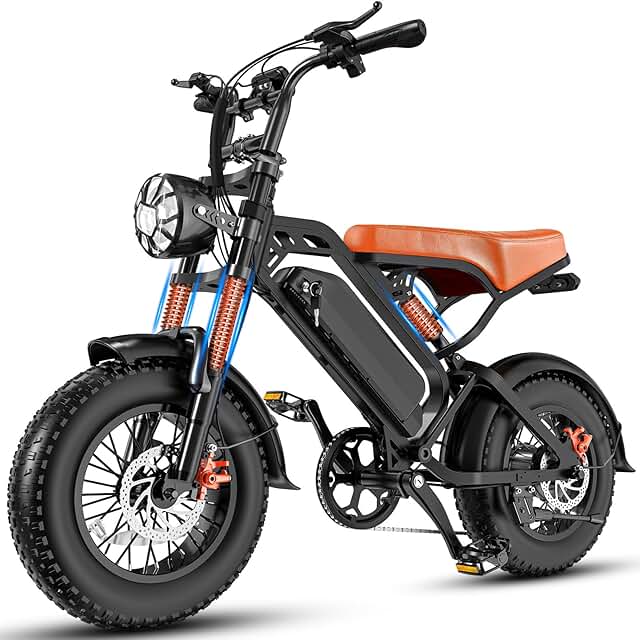
This ready-to-ride electric bike brings a 1200W peak motor and a 48V 18Ah removable battery, delivering up to 28 MPH and an estimated 35-mile range per charge. It boasts a high weight capacity (500 lbs), accommodating varied rider sizes while maintaining stability and power. The removable battery design supports indoor charging and battery swapping for extended rides. The bike is positioned for both urban commuting and more spirited excursions that require stronger acceleration and hill-climbing performance.
Considerations include overall weight (bike and rider), charging convenience with the removable battery, and durability of components under frequent high-power use. This option suits riders who want a robust, all-around e-bike experience without modular upgrades to a standard bicycle.
Common Bike Left Chain Drive: Geared Derailleur Kit

This kit targets bikes with a rear V-brake and uses chain-drive mechanics to add motor-assisted propulsion. The seller notes compatibility caveats: bikes with disc brakes or coaster brakes may not be suitable without modification, and some frame brackets may require alteration for proper fit. The kit is intended to assist pedaling rather than deliver high-speed performance, with expected speeds around 20 km/h on 26-inch bikes when used with motor power and rider effort combined.
Users should consider whether their frame geometry and brake setup allow for bracket mounting and whether they have the skills to adjust brackets and cables. This option is best for riders seeking incremental power boost on moderate commutes rather than a full power e-bike solution.
URLIFE Folding Electric Bike: 500W Peak, 20MPH

The URLIFE folding e-bike offers a compact approach to electric riding, featuring a 500W peak motor and speed up to 20 MPH. Its folding design makes it ideal for urban dwellers with limited storage space or for riders who need a portable solution for mixed commuting scenarios. The bike emphasizes range and practical daily usability, with up to 40 miles per charge under typical power-assisted usage and a UL 2849 certification for safety standards. This model targets riders seeking a ready-to-ride folding option rather than a modular kit.
Key considerations include fold mechanism durability, weight distribution when folded, and battery accessibility for charging. Pros include convenience, ease of transport, and standard e-bike safety features; potential downsides include heavier fold-unfold handling and the need for regular maintenance in a folding frame.
Buying Guide: Key Purchase Considerations For Making Your Bike Electric
- Intended use: Daily commuting, hill climbing, or weekend rides influence whether a pedal-assist unit, a full conversion kit, or a complete e-bike is best.
- Compatibility: Check frame type, brake system (V-brake, disc, coaster), seat post diameter, and wheel size to ensure the component fits properly without interfering with operation.
- Power and range: Decide on continuous power (watts) vs. peak performance and target range per charge. Higher wattage offers stronger acceleration and hill-climb capability but may reduce range and add weight.
- Ease of installation: If you’re a DIY enthusiast, conversion kits can be cost-effective but require mechanical skill. If you want plug-and-play, consider ready-to-ride e-bikes or professionally installed systems.
- Removable vs. integrated: Removable batteries enable indoor charging and flexible storage but may add weight to the bike. Integrated batteries offer clean aesthetics but require more effort to service.
- Safety and certification: Look for UL or equivalent certifications for battery packs and motor systems. Ensure proper braking, lighting, and reflectors comply with local laws.
- Maintenance and warranty: Assess ongoing maintenance needs, parts availability, and manufacturer warranties for long-term reliability.
- Cost versus value: Compare initial costs with potential savings in commuting time, health benefits, and reduced vehicle use. Factor in potential professional installation fees for kits.
- Legal and regulatory considerations: Battery limits and motor-assisted speed vary by location. Confirm local rules for electric bicycles on roads and trails.
- Weight and portability: Heavier e-bikes or conversion kits affect handling and storage. Folding designs can mitigate space limitations for urban living.
These considerations help buyers choose whether to pursue pedal-assist solutions, full conversion kits, or a ready-made electric bike. Evaluation should balance installation effort, compatibility with current bicycles, and the intended riding style to achieve the best, practical electric biking experience.