Turning a standard bicycle into an electric ride is easier than you might think. Hub drive kits offer a clean, simple path to add power, extend range, and reach comfortable speeds with minimal maintenance. Below, five notable hub-drive options—from reputable brands—cover a range of power, installation styles, and riding goals. This guide highlights the core features, compatibility notes, and practical considerations to help you choose the right kit for your bike and riding style.
Product Overview
The following table summarizes the featured hub-drive kits, including motor type, wheel compatibility, power, and standout features. This quick reference helps you compare at a glance before diving into each detailed product section.
- BAFANG 48V 500W/750W Rear Hub Motor Kit — 20″/26″/27.5″/700C, IPX5, 65 N.m torque
- VEVOR 1000W Front Wheel Hub Motor Kit — 26″, LCD, PAS, 420 rpm
- BAFANG 48V 500W Front Hub Motor Kit — 20″/26″/700C, IPX5, 65 N.m torque
- 20-Inch 48V 2000W Rear Hub Kit — 20×4″ fat tires, 65 N.m torque
- BAFANG 48V 500W Front Hub Motor — 20″/26″/700C, 65 N.m torque
Note: All products are designed for easy installation, come with a variety of display and throttle options, and aim to deliver a reliable riding experience across weather conditions and terrain.
BAFANG Rear Hub Motor Kit 500W/750W, Multiple Wheel Sizes
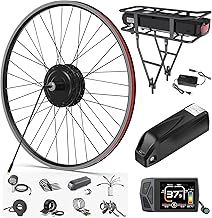
The BAFANG rear hub motor kit delivers a robust 65N.m max torque with selectable power options of 500W or 750W, enabling speeds up to 40 KM/H. It is designed for riders who want a balance of performance and everyday reliability. An IPX5 waterproof rating helps protect electronics in variable weather, while noise remains quiet at under 55dB. The kit supports rear dropout widths of 135-142mm and fits 10-speed cassettes or fewer, accommodating both V-brake and disc brake systems. The PAS system offers four modes, including throttle and walk assist for easier maneuvering. Setup is streamlined with a complete components package for a straightforward wheel swap.
Ideal for riders who value versatility across multiple wheel sizes and braking setups, this kit can power daily commutes or longer weekend rides. Its integration with common drivetrain configurations reduces compatibility headaches and supports a smoother conversion experience.
VEVOR 1000W Front Wheel Kit With LCD Display

VEVOR offers a high-power 1000W front hub motor kit with 420 rpm and at least 50 N.m torque. This setup emphasizes climbing ability and steady acceleration, making it suitable for hilly routes and mixed-terrain rides. The included LCD display provides real-time ride data such as speed, distance, PAS level, and battery life, enhancing rider awareness and safety. A copper-core motor helps with thermal management, contributing to stable performance in varied temperatures. While front-hub configurations can alter steering feel, this kit is designed to deliver a confident, responsive ride with a comparatively quiet operation at around 65 dB.
The front-wheel drive arrangement often simplifies installation and maintains a balanced appearance on the bicycle. It can be a compelling choice for riders who prioritize straightforward acceleration and a clean install on bikes that handle front-wheel upgrades more naturally.
BAFANG Front Hub Motor Kit With Display & Battery Options

This front-hub BAFANG kit provides 500W of motor power with an emphasis on ease of installation and riding versatility. It is compatible with 20″, 26″, and 700C wheels and supports a variety of disc and V-brake setups. The system includes an LCD display and offers three riding modes: E-bike, pedal assist, and push-assisted modes. The design focuses on stable drive performance and energy efficiency to extend battery life on longer rides. It emphasizes a user-friendly experience for DIY enthusiasts who want a reliable front-drive solution with clear power delivery and braking compatibility.
Front-hub configurations are known for providing straightforward steering response and easy alignment with the bike’s front geometry. This kit is suitable for riders who want a fast, sporty feel while maintaining a simple installation process and broad compatibility with common bike formats.
20-Inch Rear Hub Motor Kit With 2000W Power

This high-powered fat-tire kit uses a 2000W brushless hub motor to deliver up to 65N.m of torque and speeds up to 55 km/h (34 mph). It is designed for 20×4 inch tires, broad compatibility with fat-tire frames, and provides robust performance for riders seeking aggressive acceleration and enhanced off-road capability. The kit’s aluminum and steel components are built for durability and resistance to rust and scratches, extending the lifespan of the setup in demanding conditions. The included display provides essential ride data to help riders monitor speed, distance, and battery status on challenging climbs and long commutes.
With its high wattage and fat-tire suitability, this kit is best suited for riders who want raw power and a platform for exploring loose terrains, snow, or sand. However, it may require careful bike frame consideration and careful handling of weight distribution.
BAFANG Front Hub Motor Kit With Display Options

This BAFANG front hub motor kit presents a 500W power profile with a torque rating of 65N.m and speeds up to 40 KM/H. It is designed for 20″, 26″, and 700C wheels and supports both V-brake and disc brake configurations. The kit emphasizes a smooth, quiet ride with a narrow, integrated power delivery that suits daily commuting and weekend adventures. A four-mode PAS system helps tailor the assist level to terrain, rider effort, and battery conservation. Optional battery and display choices give users flexibility in configuring the exact setup they want.
Front-hub setups are favored for their straightforward installation and lightweight handling on city streets, while still offering enough torque to handle mild climbs and longer rides with ease. This kit is a balanced option for riders seeking a reliable, easy-to-install upgrade with flexible display and battery choices.
Buying Guide: Hub-Drive Ebike Kits
Key considerations help customers pick the best hub-drive kit for their bike and riding style. This guide covers power, placement, compatibility, brakes, and maintenance.
- Power and top speed: Higher wattage means quicker acceleration and better hill climbing. Front hubs tend to feel lighter on the front end, while rear hubs contribute to a more balanced ride, especially with payloads.
- Wheel compatibility: Check dropout width, cassette compatibility, and ride geometry. Many kits support popular sizes (20″, 26″, 27.5″, 700C) but verify fit with your frame.
- Braking systems: Ensure the kit is compatible with your current V-brake or disc brake setup. Hydraulic vs mechanical brakes may affect installation and performance.
- Display and sensors: LCD or LED displays, PAS modes, throttle, and battery indicators influence how you monitor and control the ride. PAS software should align with your preferred pedal effort.
- Battery options: Some kits include an optional battery; consider range needs, weight distribution, and mounting options on your bike frame or rack.
- Weather resistance: IP ratings (like IPX5) help indicate protection against water spray and rain. Consider usage in varied climates and seasons.
- Installation complexity: Rear-hub installs can be more involved than front-hub setups. Complete component kits simplify wiring and alignment.
- Maintenance and warranty: Look for reputable brands with solid support, documented installation guidance, and warranty terms for motors, displays, and controllers.
When evaluating a kit, map your typical rides—commuting distance, terrain, and payload—to power needs. If you frequently tackle steep grades or carry cargo, a higher-torque rear-hub or a fat-tire kit may be favorable. For city commuting with predictable routes, a front-hub or mid-range rear-hub kit can offer reliable performance with a simpler install.
Installation tips: prepare a clean work area, verify compatible wheel sizes, and ensure brake alignment after installation. Test ride at low speed first to calibrate torque and PAS settings before increasing to regular riding speeds. Regularly inspect cables, connectors, and mounting hardware to maintain performance and safety.
Additional Considerations
Electric bike conversions should align with local regulations and safety standards. Consider battery weight distribution and the impact on steering and handling. If you ride in remote areas, plan for battery range and charging access. For riders seeking stealth and a cleaner look, rear-hub installations often offer inconspicuous integration. If you value maximum torque for off-road adventures, a high-power fat-tire kit could be the best option, though it may demand more frame clearance and braking capacity checks.