The right hitch extender can create valuable clearance for bikes, cargo carriers, and trailers without sacrificing safety. This guide reviews five top hitch extenders that work with 2-inch receivers and are popular for bike racks and towing setups. Each option balances reach, strength, and compatibility to help you choose the best fit for your vehicle and gear.
Summary table of selected products: this quick reference highlights the key traits for easy comparison.
| Product | Brand | Extension Length | Notes |
|---|---|---|---|
| TOPTOW 7 inch Extender | TOPTOW | 7 inches | 2″x2″ receiver; 3500 lbs GTW, 350 lbs TW |
| MAXXHAUL 7 inch Extender | MAXXHAUL | 7 inches | 2″x2″ receiver; 3500 lbs GTW |
| POFENZE Dual 7.3″–9.3″ | POFENZE | 7.3″–9.3″ | Two 2″ receivers; towing and accessory use |
| KUAT Hi-Lo 7″ & 10″ | Kuat | 7″ or 10″ | 2.125″ rise or drop; 2″ receiver |
| Yakima StraightShot | Yakima | 7.25″ extension | 2″ receiver; threaded pin |
TOPTOW 7 Inch Hitch Extender
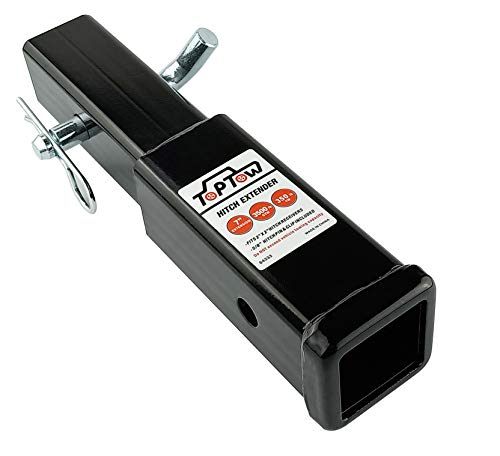
Extends the hitch by seven inches, creating space between the bumper and a bike rack or cargo carrier. It uses a standard 2×2 inch receiver and is rated to tow up to 3500 pounds gross trailer weight and 350 pounds tongue weight. Designed to add spare space while maintaining a secure connection with a hitch pin (included). This extender is suitable for bikes, racks, or light to medium-duty trailers where extra clearance is needed.
TOPTOW 4″ Drop/Riser Extender
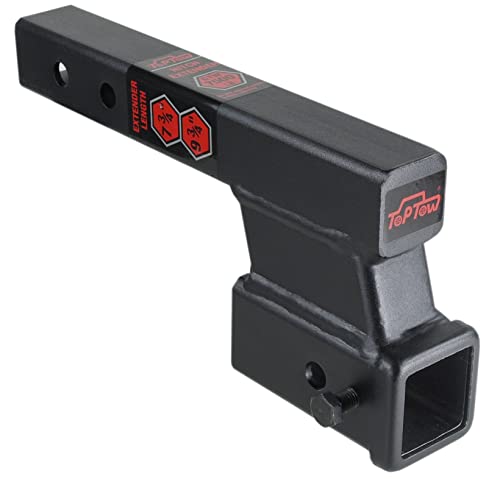
This hitch extender features a 4-inch drop/riser and offers 7.75-inch to 9.75-inch adjustable length with a 2×2 inch receiver. It supports a versatile range of hitch accessories, including bike racks and cargo carriers, and accommodates bumps in vehicle geometry by providing adjustable clearance. It’s built to fit most 2-inch shanks and is marketed with a high-load towing capacity suitable for standard setups.
MAXXHAUL 7 Inch Extender
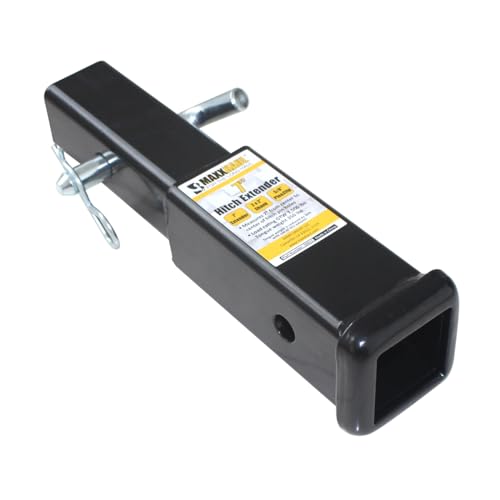
Extended by seven inches, this 2×2 inch receiver extension broadens hitch reach for improved clearance and maneuverability. It pairs with a wide range of hitch-mounted accessories and includes a 5/8-inch hitch pin and clips for secure attachment. The design emphasizes compatibility with various towing setups while maintaining a sturdy connection.
KUAT Hi-Lo Hitch Extension

The Hi-Lo extender offers 7″ or 10″ extension options and a 2 1/8″ rise or drop, enabling ground clearance for low-profile vehicles or long-wheelbase setups. Compatible with 2″ receivers and designed to pair with Class III or higher hitches, it supports bike racks and auxiliary cargo. The dual-position design helps optimize alignment with your vehicle and gear.
POFENZE Dual 7.3″–9.3″ Extender

This dual-receiver extender uses two 2-inch receivers: the lower for towing up to about 5000 pounds and the upper for bike racks or cargo carriers. The extension length varies from 7.3″ to 9.3″ depending on position. It includes an anti-rattle kit and hardware to reduce movement and noise during towing or carrying accessories.
Yakima StraightShot

The Yakima StraightShot provides a robust 7.25-inch extension for 2-inch receivers and features a threaded pin design for a secure fit. Built from heavy-duty steel, this extender emphasizes durability for long-term use with bike racks, cargo carriers, and other hitch-mounted gear. It offers reliable space to prevent interference with the vehicle tailgate or bumper.
Buying Guide: Key Purchase Considerations
When selecting a hitch extender for bikes and accessories, consider how you will use it most often. The following perspectives help balance safety, performance, and practicality.
- Extension length versus clearance needs: Longer extenders provide more space to prevent collisions with bumpers, spare tires, or bike racks, but can affect hitch stability and vehicle handling. Assess the maximum safe extension for your trailer or rack system as rated by the manufacturer.
- Receiver compatibility: Most extenders use standard 2×2 inch receivers. Verify your vehicle’s hitch class and the extender’s compatibility to avoid fitment issues or reduced load capacity.
- Towing capacity and tongue weight: Extenders distribute weight differently. Check the GTW (gross trailer weight) and TW (tongue weight) ratings and ensure they align with your load, especially when towing trailers or carrying heavy bikes.
- Dual receivers and multi-use setups: Dual-receiver extenders enable towing with one receiver and bike racks or cargo with the other. This adds versatility but requires careful weight and clearance planning.
- Rise vs. drop functionality: A rise helps gain ground clearance for long-wheelbase vehicles or low-hanging bikes, while a drop suits shorter vehicles or higher rear bumpers. Some models offer adjustable rise/drop to tailor the setup precisely.
- Anti-rattle and hardware: Look for anti-rattle kits, locking pins, and hardware quality to minimize movement, noise, and wear during operation.
- Bike rack compatibility: If your primary use is a bike rack, confirm that the extender accommodates racks with load requirements and spacing to prevent contact with the bumper or spare tire.
In practice, the best choice depends on your vehicle, the type of gear you carry, and how often you need extra clearance. For frequent towing and bike carrying, a dual-receiver option or a Hi-Lo design can provide the safest, most flexible setup. If you mainly need extra space without towing, a longer single-receiver extender paired with a sturdy pin and clip may be sufficient. Always follow manufacturer load ratings and installation instructions to maintain safety on the road.