Finding the right sleeping bag for hiking and biking trips means balancing warmth, weight, and packability. This guide highlights five top options from Naturehike and select brands that pair well with long days on the trail or in the backcountry. Each choice emphasizes adaptability for three-season use, compact design for backpacks, and practical features like foot room, quick-dry fabrics, and efficient packing. Whether you’re car camping after a ride or speed-hiking through variable climates, these sleeping bags are designed to maximize rest and recovery between adventures.
| Product | Highlights | Best For |
|---|---|---|
| Naturehike 0 Degree & 40 Degree Flannel Two Person Sleeping Bag | Double-wide, three-season modes, separate foot zipper | Couples and family trips |
| Naturehike Ultralight Duck Down Cold Weather Sleeping Bag | 650 fill power, ultralight, compression sack | Lightweight backpacking with cold nights |
| Naturehike Lightweight Compact Sleeping Bag | Ultra-light, compact, roomy interior | Backpacking and travel |
| Naturehike Ultralight Backpacking Down Sleeping Bag | 650 fill power, compact, three-season | Hiking and camping |
| MalloMe Sleeping Bags for All Ages | All-season rating, waterproof shell, kid-friendly | Family trips and kids camping |
Naturehike 0 Degree And 40 Degree Flannel Two Person Sleeping Bag

The Naturehike two-person sleeping bag offers a spacious 220 cm by 160 cm (87 by 63 inches) footprint, easily accommodating two adults or a family with children. A separate bottom zipper provides extra foot room, allowing comfortable turns during sleep. In three-season configurations, it can act as a double cover, a lighter inner layer, or a four-layer winter setup. Two soft pillows support head alignment, while the wrap-around zipper and modular design optimize temperature control and adaptability for varied camping conditions.
Naturehike Ultralight Duck Down Cold Weather Sleeping Bag

This compact, ultralight sleeping bag utilizes 650 fill power duck down for warmth and compressibility. It has two size options (Medium and Large) to fit different heights and body types while maintaining a minimal packed footprint. The design blends a mummy silhouette for heat retention with a rectangular bottom that allows leg movement. An ultralight weight of roughly 1.95 pounds and a compression sack make it ideal for hikers who prioritize packing efficiency without sacrificing warmth in cool conditions.
Naturehike Lightweight Compact Sleeping Bag

Weighing in as a compact backpacking option, this sleeping bag minimizes bulk without sacrificing interior room. It measures a generous length for adults and includes a plush filling to promote a comfortable night’s sleep. The bag is designed for easy packing and quick setup, with a focus on travel-friendly dimensions that suit hikers and bikers who cover long distances daily. The waterproof shell and included carrying bag ensure resilience against dew and light rain in unpredictable campsites.
Naturehike Ultralight Backpacking Down Sleeping Bag

This 650 fill power down bag emphasizes compact form without surrendering warmth. It offers multiple size choices to fit a range of body types and comes with a compression sack for streamlined packing. The sleeping bag is engineered for three-season use, balancing weight and insulation for hikers and cyclists who want reliable warmth on cooler nights while still keeping the pack light for long rides or treks.
MalloMe Sleeping Bags For Adults And Kids
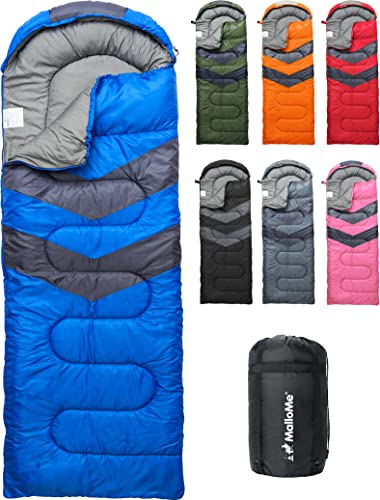
MalloMe offers year-round versatility with a temperature rating that covers spring through fall. The design emphasizes kid-friendly appeal and durable waterproof shell alongside a compact, travel-ready profile. It includes a compression sack for easy transport and storage, making it an attractive option for family trips or kids’ camping adventures where shared gear and space efficiency matter.
Buying Guide
Key factors to consider when choosing a hike and bike sleeping bag include warmth rating, seasonal use, and weight. For three-season hiking and biking, aim for a bag rated to comfortable temperatures around 32–50°F (0–10°C). If you frequently camp in wet environments, prioritize a water-resistant shell and reliable zippers to avoid heat loss. Weight matters for long treks; ultralight bags reduce fatigue but may compromise warmth or durability. Pack size and included compression sacks influence how easily a bag fits into a cycling pack or daypack. Look for features that match your routine: foot caves or separate zippers for extra space, modular layers for quick temperature adjustments, and simple maintenance like machine-washable fabrics. Consider whether you prefer a mummy or rectangular cut; mummy bags save heat, while rectangular designs offer room to move. For families or couples, two-person bags or matching components can streamline gear lists and sharing responsibilities on multi-person trips.
Durability and materials are other importants. Down insulation provides warmth-to-weight advantages but may require careful care to maintain loft. Synthetic fills perform better in damp conditions and are easier to care for. Ensure your bag has a robust outer shell, strong stitching, and a reliable storage bag. Finally, verify compatibility with your other gear, such as a camping pillow, a compact sleeping pad, and a backpack that distributes weight evenly for long rides or hikes. With the options above, you can select a bag that aligns with your hiking and biking cadence, climate, and travel pace.