Choosing a helmet-mounted light combines safety, convenience, and performance for night riders. The following picks emphasize bright beams, reliable battery life, weather resistance, and easy mounting on a wide range of helmets. Each option is suitable for urban commuting, mountain trails, or mixed-surface rides, helping you stay visible and in control after dark.
Summary of selected products:
| Product | Brand | Light Output | Modes | ||
|---|---|---|---|---|---|
| FUNWICT Helmet Light | FUNWICT | 1000 Lumens | 5 modes | IP65 | |
| Brightside 3-in-1 | Brightside Bike Lights | 100 Lumen front | 7 modes | IP rated | |
| Dango Design Navigator | Dango Design | 2100 Lumens | 3 brightness + readout | External battery pack | Low-profile |
| Nitecore HC65M UHE | Nitecore | 2000 Lumens | Multiple outputs | Waterproof design | NVG mount capable |
| LESOVI 2in1 | LESOVI | 200 Lumens | 5 modes | IP66 | Front and rear in one |
FUNWICT Helmet Light LED Bike Headlight Review

The FUNWICT helmet light delivers a bright 1000-lumen output with dual LEDs designed for nighttime road and trail riding. It includes five lighting modes—high, medium, low, strobe, and SOS—supporting up to six hours of operation depending on the setting. Weighing about 93 grams, it minimizes head fatigue and is easy to mount on most helmets or handlebars using two simple holders.
Key considerations include brightness versus battery life, mounting versatility, and weather resistance. The IP65 rating provides dust protection and water spray resistance, making it suitable for light rain rides. For riders needing a strong daytime-visible option without adding bulk, this model offers a straightforward, reliable solution.
Brightside Front and Rear 3 in 1 Bike Helmet Light Review

The Brightside Topside 2-in-1 light functions as a front and rear safety beacon with a compact 2.3-ounce form factor. It provides a 100-lumen bright flash for high visibility and includes seven usable modes with a memory function that recalls your preferred setting. The unit is designed for easy mounting, uses upgraded LEDs for improved run time, and features reliable mounts that keep it in place during rugged rides.
When evaluating this option, consider whether you want a front-only or a combined front/rear setup and how important memory mode is to your riding style. The lightweight design and quick charging make it appealing for riders who want a simple, effective safety light without added bulk.
Dango Design Navigator Helmet LED Trail Light Review
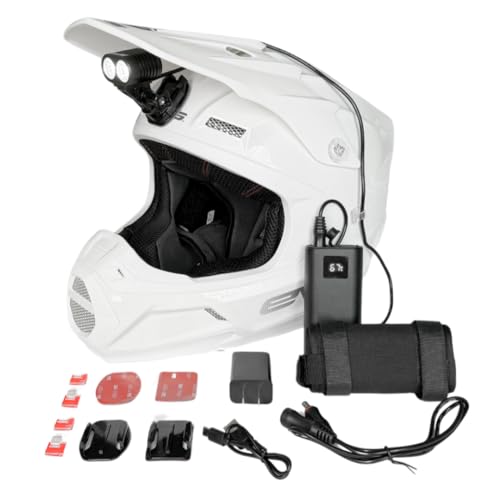
The Navigator from Dango Design spots a lightweight, low-profile aluminum housing with Cree LEDs delivering up to 2100 lumens. It uses a detachable external battery pack with a digital readout and offers three adjustable brightness settings, optimizing runtime and beam pattern for trails or endurance rides. The unit’s NVG-friendly design supports helmet mounting without adding excessive weight, which is important for long sessions.
Buyers should note the trade-off between higher brightness and external battery management. The digital readout helps monitor power, reducing the chance of sudden dead zones on multi-hour treks. This option targets riders seeking strong night performance while maintaining a streamlined helmet silhouette.
LESOVI 2in1 Rechargeable Helmet Light Review

LESOVI’s 2-in-1 helmet light combines front and rear lighting into one compact device. It offers five modes and a 200-lumen output designed for both helmet-mounted and handlebar installation. With IP66 waterproofing, the light is built to resist heavy rain and splashes, enhancing reliability on wet rides. The design emphasizes quick, tool-free installation and durability through an aluminum or alloy build.
For riders prioritizing 360-degree visibility and a single-handle solution, this model provides a balanced mix of brightness, modes, and ruggedness. The independent mode control allows separate front and rear operation, giving users flexible lighting configurations for different riding scenarios.
Buying Guide: Key Purchase Considerations
- Brightness and beam pattern: Higher lumens improve visibility, but consider beam spread and the surrounding environment. Trail riding may benefit from brighter, wide beams, while urban streets may require lower brightness to reduce glare for others.
- Battery life and charging: Look for models with clearly stated runtimes per mode and fast USB charging. Consider external battery packs for longer trips, especially on demanding trails.
- Weight and mounting: Lightweight lights reduce head fatigue. Ensure compatibility with your helmet type and mounting system, and check quick-release or tool-free installation features for convenience.
- Weather resistance: IP ratings indicate protection against dust and water. For wet climates or seasonal riding, prioritize IP65 or higher to withstand rain and splashes.
- Modes and user interface: Multiple modes (solid, flash, strobe, SOS) help adapt to different situations. A memory function can save preferred settings for quick access during rides.
- Durability and build quality: Aluminum housings and rugged mounts improve reliability under vibration and impact, important for mountain or trail riding.
- Safety considerations: Front-facing lights help illuminate your path; rear or dual-purpose lights increase visibility to others. Red or amber rear LEDs can be particularly effective for signaling.
- Maintenance and replacement parts: Check availability of replacement batteries, mounts, or lenses, as long-term costs affect total ownership.
Across these picks, the common goal is clear: maximize visibility, minimize bulk, and provide dependable performance in varying riding conditions. Riders should align their choice with typical routes, weather patterns, and ride duration. If you frequently ride on technical trails after dark, a high-lumen option with an external battery may be worth the added weight. For daily commuting, a lightweight, easy-to-install setup with multiple modes can deliver consistent safety without distraction.