Hard tail bikes blend lightweight efficiency with solid front suspension, making them versatile for both gentle commuting and rugged trails. This guide highlights five top hard tail mountain bikes, covering a range of frame materials, wheel sizes, and gearing to help American riders pick a model that fits their terrain and riding style. Each entry includes a concise overview, key features, and direct Amazon links for quick comparison.
| Product | Brand | Wheels | Key Gear | Frame Material |
|---|---|---|---|---|
| WEIZE Hardtail Mountain Bike (Black) | WEIZE | 29 inch | 21-Speed Shimano | 6061 Aluminum |
| MarKnig Hardtail Mountain Bike | MarKnig | 26 inch | 7-Speed | Widened Carbon Steel |
| Eastern Bikes Alpaka 29″ Mountain Bike | Eastern Bikes | 29 inch | 9-Speed | 6061 Aluminum |
| HH HILAND 27.5″ Mountain Bike (Purple) | HH HILAND | 27.5 inch | 21-Speed | Aluminum |
| Mongoose Switchback Comp Hardtail | Mongoose | 27.5 inch | 18-Speed | Aluminum |
WEIZE Black 29” Hardtail Mountain Bike
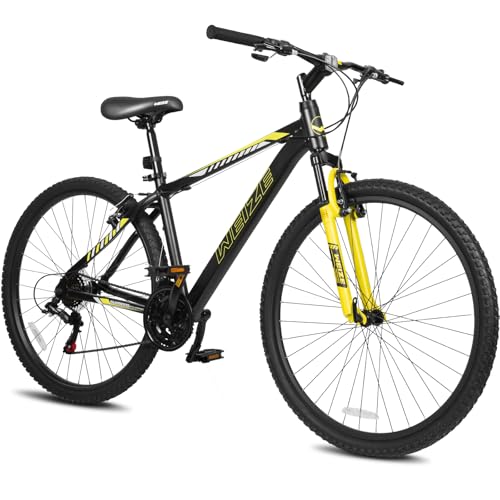
The WEIZE hardtail combines a lightweight 6061 aluminum frame with 29-inch wheels, designed for stability and efficiency on varied terrain. Its geometry supports riders from about 5’4″ to 6’2″, broadening its suitability for a wide American audience. Front and rear aluminum V-brakes provide dependable stopping power, while double-wall rims help maintain light weight without compromising strength. A 21-speed Shimano twist shifter enables smooth gear transitions, enabling riders to tackle flats, climbs, and looser trails with confidence.
WEIZE White 29” Hardtail MTB for All-Terrain Riding
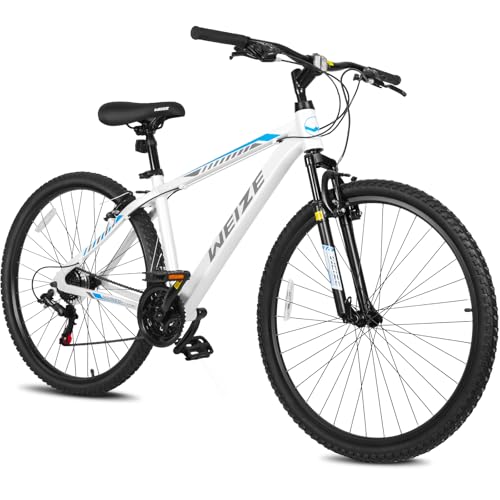
This WEIZE model emphasizes a versatile, all-terrain approach with a 6061 aluminum frame and 29-inch wheels. While the listing highlights universal suitability for riders within a broad height range, the focus remains on dependable performance across trails and urban routes. The 21-speed setup supports a wide spectrum of riding contexts, from casual commutes to longer weekend rides, with a straightforward gearing system for quick adaptability.
MarKnig 7-Speed Hardtail Mountain Bike
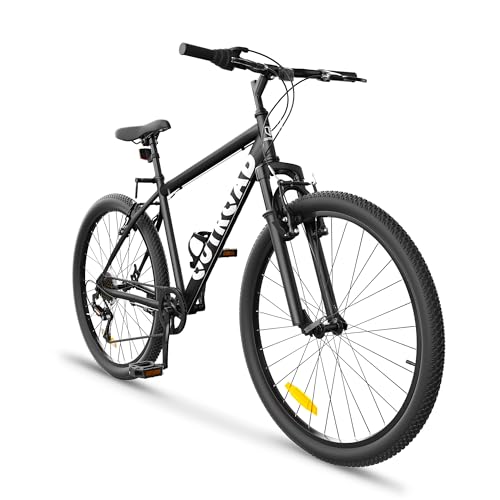
MarKnig offers a 26-inch front-reliable hardtail with a widened carbon steel frame designed for adult riders. The setup includes a 7-speed drivetrain and front V-brakes, providing straightforward gear options and reliable stopping power for daily commutes or light trail use. The model places emphasis on durability and an attractive finish, with a supportive riding posture suitable for longer sessions on mixed surfaces. Installation is aided by accessible setup resources and ongoing customer support.
Eastern Bikes Alpaka 29″ Mountain Bike

Eastern Bikes Alpaka delivers an ultra-light hydroformed 6061 aluminum frame paired with a suspension fork for added front-end control on rough terrain. A 9-speed drivetrain provides flexible gearing for variations in trail conditions and elevation. The combination aims to balance weight, responsiveness, and handling, appealing to riders seeking efficiency on longer rides and stability on technical sections.
HH HILAND 27.5” Mountain Bike (Purple)
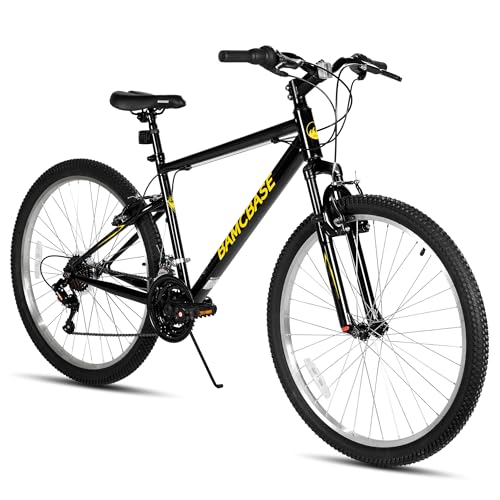
HH HILAND’s 27.5-inch model offers an aluminum frame with a wide gearing range through 21 speeds and front suspension. It targets riders seeking a capable bike for both city commutes and scenic trails, with robust construction designed to withstand regular use. The design prioritizes smooth shifts and stable handling on mixed terrain, aided by mechanical features intended for straightforward maintenance.
HH HILAND 27.5” Purple Aluminum Mountain Bike

This HH HILAND model highlights an aluminum frame for strong yet lightweight performance, combined with 21 speeds to accommodate varied terrain. The drivetrain and braking configuration align with everyday riding needs, offering a balance between speed, control, and durability for riders who switch between city streets and light trails on a regular basis.
Mongoose Switchback Comp Hardtail
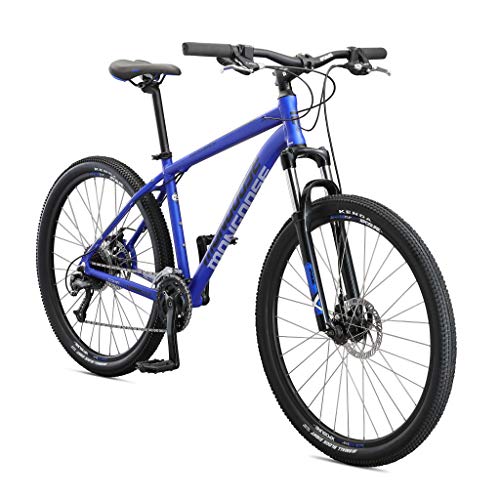
The Mongoose Switchback Comp combines a Tectonic T1 aluminum frame for lightweight durability with a responsive 18-speed drivetrain and 27.5-inch wheels. Front suspension and mechanical disc brakes provide reliable handling on a mix of trails and city roads, delivering a balanced riding experience across comfort and performance benchmarks. The frame is designed to support a wide range of riders seeking versatile trail capability.
Buying Guide: Key Purchase Considerations
- Wheel size and geometry: 29-inch wheels offer better rollover on rough surfaces and stable high-speed handling, while 27.5-inch wheels balance agility with traction on tighter trails. Consider your height and preferred riding style when selecting a size.
- Frame material: Aluminum frames are common for hard tails due to light weight and strength. Steel frames offer durability at a lower cost but are heavier. Carbon fiber is rare in entry-level hard tails but exists in higher-end models.
- Gearing and drivetrain: More speeds provide finer control on varied terrain. For beginners, a simpler 7- or 9-speed setup can be easier to manage, while advanced riders may prefer 18–21 speeds for diverse climbs.
- Suspension: Most hard tails have a front suspension fork to cushion rough trails. Rigid forks save weight and maintenance but offer less comfort on technical trails.
- Brakes: Mechanical disc brakes provide strong stopping power across weather conditions. V-brakes are common on budget models and require regular adjustment.
- Fit and ergonomics: A comfortable saddle, reach, and handlebar position affect all-day riding comfort. Test ride if possible or use sizing charts from the seller.
- Intended use: Distinguish between daily commuting, weekend trail rides, and technical mountain biking. Heavier riders may benefit from reinforced frames and wider tires for stability.
- Maintenance and support: Look for models with accessible replacement parts and responsive customer support in case of setup needs or issues.
These hard tail bikes reflect a spectrum of entry-level to mid-range options, each emphasizing durability, reliability, and adaptability for American riders across city streets, parks, and light to moderate trails. When evaluating, consider the terrain you ride most, your height and riding goals, and how much weight you’re willing to carry for maintenance and upgrades.