When you travel with a road bike or TT bike, protecting your ride is essential. This guide highlights durable hard shell and EVA-lined cases designed to withstand air travel, rough handling, and long trips. The selections below cover different sizes, wheelbase compatibility, and protection levels so you can choose a case that fits your bicycle and your travel routine.
| Product | Brand | Key Benefit |
|---|---|---|
| Bike Travel Bag Airplane – Box for Air Travel | LOOMA MOTION Store | Complete frame, wheel, and drivetrain protection |
| CyclingDeal Bike Travel Case | CyclingDeal Store | Lightweight EVA construction with wheel bags |
| SCICON AEROCOMFORT 3.0 TSA Route Transport Bag | SCICON Store | Industry-standard protection with TSA features |
| KEMIMOTO Bike Rear Bag EVA Hard Shell | KEMIMOTO Store | Compact trunk bag with rain cover and reflectivity |
| VEVOR Bike Travel Bag | VEVOR Store | Full protection set for wheels, frame, fork |
Each option balances weight, protection, and portability. Below, five products are examined for fit, protection level, and travel practicality to help you decide which hard case or shell bag matches your biking adventures.
Bike Travel Box For Flying With Full Protection

The LOOMA MOTION Bike Travel Bag is designed as a dedicated travel bike case that meets airline standards, aiming to protect the frame, wheels, and drivetrain in one package. It includes a range of protective components such as brake levers, fork protection, wheel guards, a derailleur protector, and a TSA lock. Built with a water-resistant, durable 1680D polyester shell, this case emphasizes impact resistance and long-term use. Its all-in-one protection reduces the need to purchase separate add-ons, making it a straightforward option for frequent flyers who want comprehensive coverage without extra gear.
Protection is the main selling point here: the kit-like inclusions cover critical contact points and vulnerable parts. The case also features a design tailored to flying—intended to withstand the handling encountered in airports. On the downside, the volume of included components can add weight, and the size may be best suited for riders who want an all-in-one solution rather than a lighter, more modular setup. Compatibility with different frame sizes and wheel configurations should be verified with the airline and the manufacturer’s guidelines.
CyclingDeal Bike Travel Case With EVA Construction
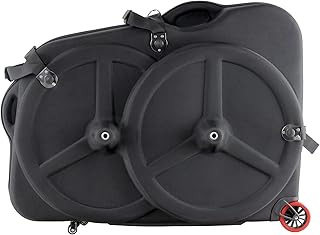
The CyclingDeal Bike Travel Case emphasizes lightweight durability with EVA material and a robust construction. It is designed for 700C road bikes and supports QR and Thru-axle wheels, though it excludes some MTB configurations and integrated seatposts. The case dimensions are substantial, and the weight sits around 8.3 kg, which balances protection with manageable transportability. A notable feature is the included padded wheel bags that contribute to wheel protection during transit, a practical addition for travelers who want to keep wheels pristine and separate from the frame.
Security is addressed through sturdy buckles, straps, and heavy-duty zippers to reduce the risk of components shifting during travel. However, the product’s compatibility restrictions mean it’s best for riders with specific wheel setups. Prospective buyers should measure their bike and confirm wheel type compatibility to prevent last-minute fit issues at the airport check-in counter.
SCICON AEROCOMFORT 3.0 TSA Route Transport Bag

The SCICON Aerocomfort 3.0 is a premium storage and transport solution for road bikes, featuring a sturdy design and TSA routing for smoother security checks. The listed dimensions indicate a substantial enclosure, suitable for larger wheelbases, and the product is known for its integrated protection approach. The bag’s weight and size should be evaluated against airline luggage allowances, as larger cases can incur extra handling fees. The aerocomfort line is widely recognized for its protective geometry and durability, which is a key factor for riders who travel often and need consistent protection across many trips.
Pros include excellent rigidity, reliable hardware, and an established reputation in the cycling community. Cons can include higher price and heavier weight compared with lighter EVA-based options. This choice is ideal for riders prioritizing long-term durability, easy airport processing, and a proven protection track record.
KEMIMOTO EVA Hard Shell Bike Rear Bag

The KEMIMOTO EVA Hard Shell Bag is a compact trunk-style option designed for rear racks, offering a 15L capacity with an EVA hard shell and a rain cover for weather protection. The internal PP partition enhances stability, minimizing movement of components during transit. The bag’s reflective strips boost visibility for roadside safety, and a thick bottom cushion helps absorb shocks to protect contents. This model is well-suited for commuters and travelers who want a practical storage solution that can be mounted securely on a rear rack, while also providing weather protection in varying travel conditions.
Practical considerations include ensuring compatibility with your rack system and confirming that the bag’s dimensions fit your bike’s geometry when attached. The combination of rigidity and weather protection makes this a strong pick for riders who want a dependable, everyday-ready bag that doubles as a trunk bag for short trips or daily use between rides.
VEVOR Bike Travel Bag With Full Protection
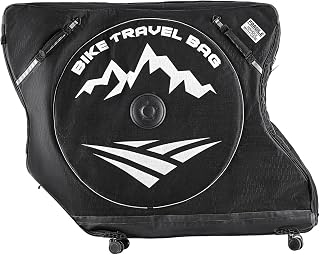
The VEVOR Bike Travel Bag is designed to accommodate road bikes with wheelbases of 37–42 inches. It emphasizes full protection with a combination of durable fabric and an integrated support structure, including top tube protectors, fork protectors, and side protectors. The design is oriented toward air travel, with packing strategies that simplify loading and unloading. Wheel removal and pedal removal are recommended for safer transport, with dedicated compartments for rims and hubs to minimize contact and damage during transit.
Security and convenience features, such as dual zippers and robust carrying handles, are important for busy travel itineraries. This option supports a straightforward packing process while offering comprehensive protection for the bike and components. It may appeal to travelers seeking a reliable, airline-ready case that balances protection with practical packing workflows.
Buying Guide: Key Purchase Considerations
Bike travel cases come in several formats, from hard shells to EVA-based boxes. When choosing, consider these factors:
- Bike compatibility: Confirm wheelbase range, axle types (QR vs thru-axle), and whether the case accommodates integrated seatposts or unique frame geometries.
- Protection level: Decide if you need full drivetrain and component protection or if a lighter cover with strong wheel protection suffices for your trips.
- Weight and portability: Heavier cases may offer more rigidity; lighter options can reduce airline surcharges and improve handling.
- Durability vs. convenience: EVA cases are lighter but may provide less rigid protection; hard-shell cases deliver robust physical defense but can be bulkier.
- Airport handling and TSA features: TSA-friendly locks and streamlined access simplify security checks; check airline policies for oversized baggage.
- Weather protection: Rain covers and water resistant shells help when traveling through unpredictable climates or layovers.
- Storage and transport: Consider wheeled vs. shoulder strap designs, and whether you’ll use a bike rack or car trunk for transport to airports.
Practical recommendations assume typical American travel needs: frequent flights within the US or to Europe, mixed weather during travel, and varying bike frame types. For riders who travel rarely, a lighter, modular system may be sufficient. For frequent travelers and teams, investing in a proven, airline-ready bag with comprehensive protection tends to minimize transport risks and component damage. Always verify airline guidelines for dimensions and weight, as policies can differ between carriers.