Gravel cyclists need hydration systems that balance comfort, stability, and quick access on rough roads. The right hydration pack should stay put, keep fluids cold, and provide easy access to essentials like tubes, snacks, and a phone. This guide highlights five top options that perform well on mixed surfaces and long gravel routes. Each pick emphasizes secure fitting, smart storage, and low-profile design to minimize drag and bounce while riding off-road.
Choosing the right pack depends on your ride style—whether you prefer a waist belt, a compact vest, or a full hydration vest. The following table summarizes the key details of the selected products to help you compare at a glance.
| Product | Brand | Hydration Capacity | Main Benefit |
|---|---|---|---|
| CamelBak M.U.L.E. 5 Gravel Waist Belt Dusty Olive | CamelBak | 50 oz (1.5 L Crux) | Low-profile hydration with airflow back panel |
| CamelBak Chase Race 4 Hydration Vest | CamelBak | 1.5 L Reservoir | Lightweight, breathable fit for gravel and bikepacking |
| USWE Race 2.0 | USWE | 2.0 L (70 oz) | Zero bounce with 4-point suspension |
| USWE Rush 8L Bike Hydration Vest | USWE | 2.0 L Hydration System | Adjustable, no-bounce fit with multiple pockets |
| Speedfil F1 Frame Mounted Hydration | Speedfil | Frame-mounted bottle system | Aerodynamic, hands-free refill on the fly |
CamelBak M.U.L.E. 5 Gravel Waist Belt – Dusty Olive

The CamelBak M.U.L.E. 5 Gravel Waist Belt combines a compact waist-belt design with a low-profile 1.5 L Crux reservoir for efficient hydration. It features dual bottle pockets for Podium bottles, expanding hydration options on longer gravel rides. The Air Support Back Panel enhances airflow to minimize heat buildup and hot spots, supporting comfort during all-day sessions. This belt is designed to stay in place on rough terrain, with a focus on stability and accessibility for essentials beyond just water.
CamelBak Chase Race 4 Hydration Vest

The CamelBak Chase Race 4 Hydration Vest is designed for gravel, mountain biking, and bikepacking. It uses a 1.5 L reservoir and emphasizes eco-conscious materials, aiming to preserve resources. Its Command Center Harness and breathable 3D Grid Mesh Harness provide a secure yet comfortable fit for fast, mixed-terrain riding. The vest’s compact profile helps prevent interference with handlebars and saddle while still offering accessible storage for tools and snacks during long rides.
USWE Race 2.0 Hydration Vest

The USWE Race 2.0 Vest offers a 2.0 L Elite Hydration Bladder and a no-bounce harness system for stability during MTB races and gravel events. It weighs lightly, helping riders conserve energy while maintaining full mobility. An insulated sleeve keeps the hydration cool in warmer conditions, and the vest includes a roomy layout for quick-access items. This setup prioritizes balance, airflow, and performance under demanding riding conditions.
USWE Rush 8L Bike Hydration Vest

The USWE Rush 8L Vest provides a secure, no-bounce fit through its NDM vest technology and elastic side panels that adapt to changing chest measurements. It includes a 2.0 L Elite Hydration Bladder with a Plug-n-Play tube coupling and a No Bounce Compression Compartment to secure the bladder during aggressive riding. Five front pockets offer quick access to nutrition and tools, while two pockets are zippered for valuables, making it a practical choice for longer gravel climbs and fast descents.
Speedfil F1 Frame Mounted Hydration Bottle
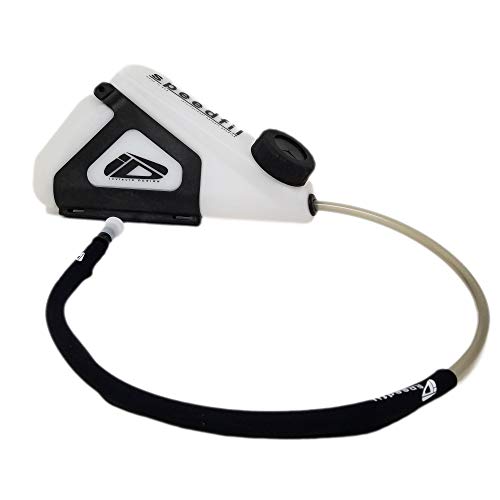
The Speedfil F1 is a frame-mounted hydration system designed to optimize handling with a low center of gravity while reducing drag. Its aerodynamic profile is validated by wind-tunnel concepts, and it offers on-the-fly refills via an accessible refill port. This setup is ideal for riders who want a hands-free, streamlined hydration option that integrates smoothly with frame geometry and gravel bike handling characteristics.
Buying Guide: Key Considerations for Gravel Hydration Packs
Fit and stability are crucial for gravel riding. Waist belts tend to be lighter and lower profile, while vests and harnesses offer more storage and secure hydration during aggressive descents. Hydration capacity should match your ride length and climate; longer rides in warmer weather benefit from larger reservoirs or insulated bladders to prevent overheating.
Storage versatility matters. Look for a mix of hydration pockets, tool pouches, nutrition compartments, and secure zippered spaces for valuables. Accessibility is key—consider how easily you can reach water and items without loosening your grip or altering riding posture.
Material and durability are important for mixed terrains. Materials that resist abrasion, wick moisture, and maintain shape under load contribute to comfort. Ventilation and back-panel design reduce heat buildup on hot days and through long gravel routes.
Weight and bounce can impact performance. A no-bounce harness, four-point suspension, or well-designed airflow system helps maintain stability at varying speeds and on rough surfaces. For longer events, the balance of weight distribution and hydration efficiency becomes critical to overall endurance.
Climate adaptability matters. Insulation for bladders helps keep fluids cooler in heat, while quick-access features enable rapid hydration during climbs or sprints. Some riders prefer frame-mounted options for aerodynamics, while others lean toward vests for greater capacity and organization.