Staying hydrated on gravel rides requires a balance of capacity, weight, and accessibility. This guide highlights five top hydration packs designed for gravel biking, offering lightweight designs, secure fits, and easy refills. Each option emphasizes comfort, ventilation, and spill-free operation so riders can focus on the road and gravel ahead.
| Product | Capacity | Key Benefit |
|---|---|---|
| CamelBak Hydrobak 50oz | 50 oz | Ergonomic refill and breathable back panel |
| MSR Low-Profile Race Hydration Pack | 2 L | Low-profile, secure fit with bounce-free design |
| Speedfil F1 Bicycle Water Bottle | Frame-mounted | Wind-tunnel aerodynamics with easy on-the-fly refill |
| Outdoor Hydration Vest (2.0L) | 2.0 L | Bounce-free, breathable, versatile for multi-sport use |
| CamelBak M.U.L.E. 5 | 50 oz | Lumbar reservoir with comfortable air back panel |
The selections below cover a range of hydration styles—from waist belts to vests and frame-mounted systems—so riders can choose based on ride length, terrain, and personal comfort. Each entry reflects performance-focused design common to gravel riders, including quick access, secure fittings, and durable materials.
CamelBak Hydrobak 50oz Hydration Pack

The CamelBak Hydrobak 50oz offers a Crux Reservoir with a 50-ounce capacity, delivering about 20 percent more water per sip. Its ergonomic handle facilitates quick refills, which can be a time-saver on long gravel routes. The minimalist design keeps weight down, and the ventilated air mesh back panel plus a mesh harness helps maintain a cool, comfortable ride even on hot days. This pack focuses on straightforward hydration with reliable performance for shorter to mid-length gravel adventures.
MSR Low-Profile Race Hydration Pack

The MSR Low-Profile Race Hydration Pack is designed for off-road riding where bulk matters. It includes a 2-liter hydration bladder and features a slim silhouette to minimize movement and bounce. An adjustable chest and shoulder strap system allows a personalized, secure fit, ensuring the pack stays in place during rugged terrain. This option is ideal for riders who prioritize a low profile and reliable water delivery without added weight.
Speedfil F1 Bicycle Water Bottle

The Speedfil F1 provides a hands-free, frame-mounted hydration solution with a refill port designed for on-the-fly top-ups. Its aerodynamic frame mounting helps keep weight centered and reduces drag, supporting steadier handling on gravel approaches. This system is best for riders who value direct access to water with minimal equipment interference and want to maintain an efficient riding posture during long gravel sessions.
Outdoor Hydration Vest 2.0L
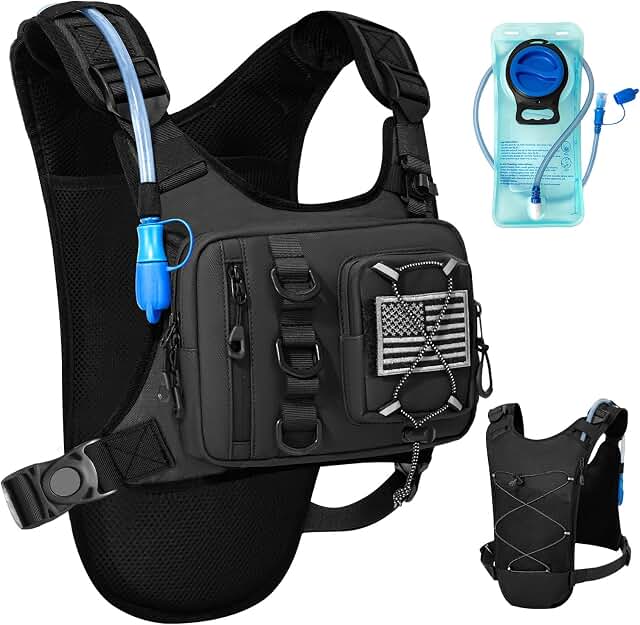
The Outdoor Hydration Vest blends lightweight, breathable fabric with a 2.0-liter bladder. It features a quick-release drinking tube with a bite valve for on-the-go hydration, and the tube can be routed to the chest via shoulder straps for easy access during running, cycling, or endurance activities. The vest construction emphasizes bounce-free wear with adjustable straps to fit different body types, making it suitable for multi-sport use and longer rides where hydration access matters at all times.
CamelBak M.U.L.E. 5 Gravel Waist Belt

The CamelBak M.U.L.E. 5 Gravel Waist Belt uses a Crux Lumbar Reservoir with a 50-ounce capacity and an ergonomic lever for leak prevention. The Air Support Back Panel promotes airflow for long rides, while the Magnetic Tube Trap keeps the hydration tube secure and easily accessible during focused riding. This belt-style system offers a compact option for riders who prefer waist-level hydration with good weight distribution on gravel courses.
Buying Guide: Key Purchase Considerations
- Hydration capacity and refill cadence: Choose capacity that matches ride length and water sources along routes. Larger reservoirs reduce refills but add weight.
- Mounting style and fit: Frame-mounted, waist belt, and hydration vests each affect balance and movement. A low-profile design minimizes bounce on rough terrain.
- Ventilation and comfort: Back panels, mesh harnesses, and breathable fabrics help manage heat buildup on long, hot gravel days.
- Ease of access and refilling: Quick-fill reservoirs and tube routing influence how smoothly you stay hydrated during stops or deliberate pauses.
- Durability and materials: Look for rugged bladders, leak-prevention levers, and abrasion-resistant fabrics suitable for off-road conditions.
- Multi-sport versatility: Some vests and waist belts double for running or hiking, offering more value if you mix activities.
- Weight distribution: Waist belts can shift weight toward the hips, while backpacks place weight on the shoulders; consider terrain and personal comfort.
- Maintenance: Easy-clean bladders and dishwasher-safe parts simplify upkeep and extend pack life.
Across these options, gravel riders should balance capacity, fit, and accessibility to maintain hydration without compromising handling. Frame-mounted systems tend to offer streamlined aerodynamics, while vests and waist-based packs provide quick access and reduced bounce for longer or more technical segments. Consider your typical ride length, climate, and personal comfort when selecting a hydration setup.