Finding a reliable rack for full suspension mountain bikes can be challenging due to frame geometry, dropper posts, and varied seat stays. This guide highlights five top options designed to work with full suspension rigs, offering quick installs, secure mounting, and compatibility with common panniers and bags. Each pick balances stability, load capacity, and ease of use to support rides from daily commutes to weekend adventures.
| Product | Brand | Amazon Link |
|---|---|---|
| Topeak TetraRack M1, M2, and M2L | Topeak Store | View |
| AEROE Spider Pannier Rack | aeroe Store | View |
| Schwinn Deluxe Rear Rack | Schwinn | View |
| YONTUO Rear Rack 310 Lb | YONTUO | View |
| AEROE Spider Rear Rack | aeroe Store | View |
Topeak TetraRack M1, M2, and M2L

The Topeak TetraRack series is designed to attach quickly to full suspension or hardtail MTB seatstays using a universal mount system. Its flexible installation accommodates frames without eyelets, making it a strong candidate for modern MTB builds. The rack features an adjustable top plate that can level independently to match a bike’s geometry, delivering a stable platform across rough terrain. QuickTrack compatibility ensures seamless use with Topeak trunk bags and related accessories, enabling easy expansion of cargo capacity for longer rides.
AEROE Spider Pannier Rack

The AEROE Spider Pannier Rack is built to fit most MTB and EMTB bikes without necessitating inbuilt mounts. Its quick-release design allows for fast installation and removal, making it ideal for riders who swap bags or gear frequently. The rack is compatible with a wide range of pannier brands, enabling riders to carry panniers, backpacks, or other accessories. It also accommodates both small and full-suspension frames and works around dropper posts, preserving bike geometry and rider comfort on diverse terrains.
Schwinn Deluxe Rear Rack
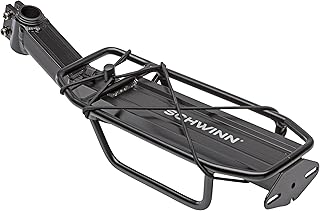
Schwinn’s Deluxe Rear Rack is engineered for everyday rides, offering reliable cargo capacity suitable for commutes and weekend adventures. It installs on seat posts with simple hardware and includes shims to fit thinner posts, using only a basic hex key for assembly. The rack blends lightweight construction with durable alloy materials, emphasizing long-term durability while maintaining a reasonable weight. Its design supports a range of cargo options, from backpacks to baskets, expanding the bike’s usefulness beyond fitness rides.
YONTUO Rear Rack 310 Lb

YONTUO’s rear rack emphasizes high load capacity with a robust aluminum alloy frame and TIG-welded construction. It supports up to 310 pounds, making it suitable for carrying heavy gear, panniers, and bags. The pallet-style design includes a quick-release clamp for easy mounting on seat posts and quick removal when a different configuration is needed. The rack also features a large reflector and an adjustable fender to improve night visibility and keep luggage dry from rain or spray during rides.
AEROE Spider Rear Rack

The AEROE Spider Rear Rack is designed for quick installation and broad compatibility, including all MTB, EMTB, gravel, and electric bikes. Its utility comes from compatibility with IP65 Waterproof dry bags and other luggage, enabling riders to secure gear reliably on multi-day trips or daily commutes. The design emphasizes compatibility with dropper posts and various frame geometries, allowing for stable cargo carriage without compromising drivetrain or suspension components.
Buying Guide: Key Purchase Considerations For Full Suspension Mountain Bike Racks
When selecting a rack for a full suspension mountain bike, consider frame compatibility, load capacity, and how the rack interacts with suspensions and droppers. Here are some perspectives to help riders compare options:
- Frame compatibility: Look for universal mounting systems or quick-release solutions that fit a wide range of frame geometries, including full suspension seats stays, without requiring eyelets. This ensures a stable platform without frame contact or interference with the suspension.
- Load capacity: Racks range from moderate to heavy-duty. For day trips with panniers or hydration packs, ensure the capacity matches your typical gear. Higher weight ratings provide cargo flexibility but may add weight to the bike.
- Compatibility with bags and panniers: Check whether the rack supports common bag systems (QuickTrack, Snapit, or brand-specific mounts) and whether it can accommodate panniers from various brands. This affects future upgrade options.
- Ease of installation and removal: Quick-release clamps and adjustable top plates reduce setup time and protect the bike’s geometry, especially on frames with droppers or unconventional stay designs.
- Durability and materials: Aluminum racks are lightweight and corrosion-resistant, while steel options may offer greater rigidity. TIG-welding quality and protective coatings help ensure longevity under all-weather use.
- Safety and visibility: Consider racks with reflectors or compatibility with rear lights to improve night riding safety. Large reflectors or integrated lighting can reduce visibility risk on dark trails.
- Compatibility with accessories: If you plan to expand with trunk bags or additional storage, choose racks with compatible attachment systems and tools for secure mounting to prevent shifting during rides.
- Maintenance and support: Vendors with clear installation instructions and replacement parts can simplify long-term care, especially for riders who frequently swap configurations.
In sum, the right full suspension bike rack should securely mount to rear stays or the frame without interfering with the suspension, offer sufficient load capacity for your gear, and work with your preferred bags or panniers. The five options listed provide a spectrum of mounting styles, from universal mount systems to quick-release designs, each designed to keep cargo stable across rough terrain and long days on the trail.