Choose a reliable front wheel stand to stabilize your bike during indoor training. The right riser blocks improve tire alignment, reduce floor damage, and accommodate a range of wheel sizes for road, mountain, and hybrid bikes. This guide highlights five top options with stable bases, multiple height settings, and weight-compatible designs to fit common trainer setups.
| Product | Brand | Key Features |
|---|---|---|
| Thinvik Bike Front Wheel Riser Block | Thinvik | Fits most tires up to 1.8 inches, 1.4″ rise, stable, skid-resistant, works with mountain and road bikes |
| GEEDIAR Bike Front Wheel Riser Block | GEEDIAR | Simple molded plastic stand, keeps front tire in place, raises front for stable pedaling |
| KOM Cycling Indoor Trainer Front Wheel Riser Block | KOM Cycling | Three heights, compatible with major trainers, tapered valley for stability, webbed grips |
| CyclingDeal Indoor Trainer Front Wheel Riser | CyclingDeal | Three heights, compatible with 23C to 2.4” tires, anti-slip grips, stable and reliable |
| Saris Front Wheel Riser Block | Saris | Three climb heights, stackable, durable and stable for trainer use |
Note: The selections above focus on variants that support common trainer ecosystems, emphasize stability and tire protection, and offer multiple height adjustments to suit different trainings and wheel sizes.
Thinvik Front Wheel Riser Block

The Thinvik front wheel riser block supports tires up to 1.8 inches wide and provides a 1.4-inch lift to align the front wheel with most indoor trainers. It enhances stability and keeps bikes from sliding, reducing floor wear. The interior is graduated to fit both road and mountain bike wheels, making it versatile for mixed-use training environments.
GEEDIAR Front Wheel Riser Block
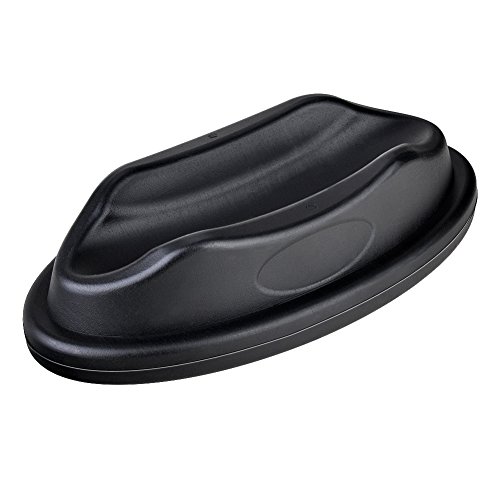
The GEEDIAR model is a simple molded plastic stand designed to hold the front wheel steady during workouts. It raises the front end just enough to prevent sliding, with an internal design that aims to maximize wheel stability for consistent pedaling and training sessions.
KOM Cycling Indoor Trainer Front Wheel Riser Block
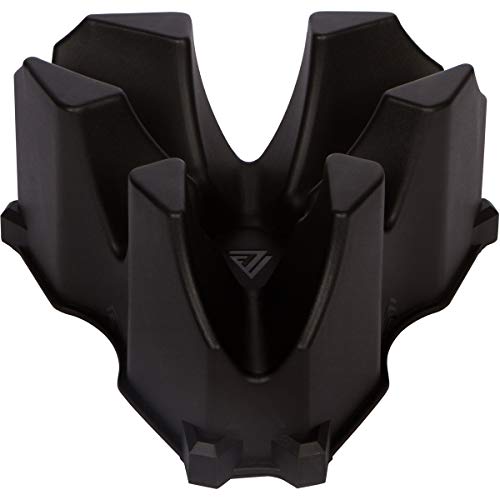
The KOM Cycling riser offers three heights to match a wide range of trainers, including popular Zwift-compatible devices. Its tapering valley design provides maximum stability for various wheel sizes (700x23c to 29.3). Webbed bottom grips help secure the block during high-power intervals.
CyclingDeal Front Wheel Riser Block
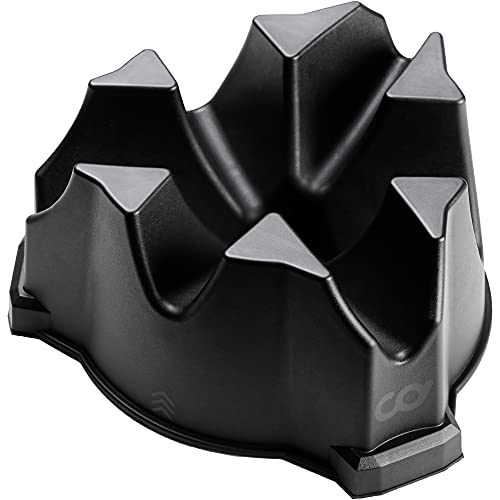
CyclingDeal’s riser block supports road bikes, hybrids, and some MTBs with wheels ranging from 23C to 2.4” tires. It features anti-slip grips on the bottom and a sturdy stance to stabilize the front wheel while training, helping prevent floor damage and wheel movement.
Saris Front Wheel Riser Block

The Saris riser block provides three climbing heights and is designed for easy stacking without sacrificing stability. It helps elevate the front wheel to create a balanced training position and reduces front-end movement during intense sessions.
Buying Guide
Key purchase considerations:
- Compatibility: Check tire width support to ensure the block works with your wheel size (23C–2.4” or up to 1.8” widths in some models).
- Height options: More levels offer greater flexibility for trainers and cycling styles; consider models with at least two or three heights.
- Stability and grip: Look for anti-slip bases and webbed or textured bottom surfaces to prevent sliding on smooth floors.
- Rim and tire protection: Edges should be smooth to avoid rim scratches and tire wear during long sessions.
- Durability and material: Plastic blocks are common, but reinforced designs and sturdy construction improve longevity under heavy use.
- Maintenance: Easy-to-clean designs help remove sweat and dust buildup from indoor training environments.
- Trainer compatibility: If you use a specific trainer brand or ecosystem, verify that the riser block supports its alignment needs and heights.
Perspective considerations:
- For robust training routines, choose a block with adjustable heights and a wide base to minimize wobble on varied floor surfaces.
- Risers that protect rims and tires extend equipment life and reduce maintenance costs over time.
- Some users prioritize stackability to save space when not in use, while others seek higher lift for aggressive climbing simulations.