Choosing the right child bike seat can make family rides more enjoyable and safer for both kids and caregivers. This guide highlights five front or rear mounted seats that balance comfort, security, and ease of installation. Each option offers distinct features to fit different bikes, riding styles, and child ages. Read on to compare designs, safety harnesses, padding, and adjustability to find the best fit for your next bike outing.
| Product | Mount Type | Age/Weight Range | Key Benefit |
|---|---|---|---|
| Kid’s Front Carrier (2–4 Years) | Front | 2–4 years, up to 55 lbs | Front–facing interaction, compact design |
| Schwinn Deluxe Rear Carrier | Rear | 1+ years, up to 40 lbs | Secure 3-point harness, padded comfort |
| Front Child Seat with PU Comfort | Front | 2–4 years | Thick padding, sturdy materials |
| Rear Mount With Back Rest | Rear | All ages via adjustable frame | Back rest and armrest for support |
| AVASTA Kids Bicycle Saddle | Rear | Children on multiple wheel sizes | Waterproof cushion with dual shock absorption |
Kid’s Front Carrier Bike Seat (2–4 Years)
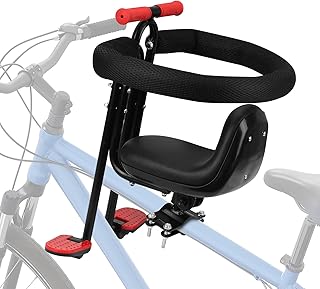
The front-mounted seat is designed for children aged 2–4 years, with a weight limit around 55 lbs. The design emphasizes a secure seating area and easy access for adults to check on the child during rides. Its compact build makes it suitable for bikes with limited frame room and helps keep the child within arm’s reach for direct interaction. Consider this option if you prefer rear visibility and buyer-friendly mounting on smaller frames.
Safety features include a structured seat and back support, with a focus on keeping the child centered and supported while you ride. The seat’s materials prioritize durability and ease of cleaning, making it a practical pick for daily commuting or weekend park trips. As with all front seats, ensure proper balance and steering clearance when mounting on your bike’s frame.
Schwinn Deluxe Rear Carrier

This rear-mounted seat supports one child aged 1+ with a maximum weight of 40 lbs. It’s built for family rides and weekend adventures, making it a versatile choice for everyday use and longer outings. The quick-release three-point harness helps secure the child quickly and reliably, while adjustable footwells and leg restraints provide adaptable sizing as the child grows. The padded crossbar and backrest combination delivers additional comfort for longer rides.
Key advantages include a cushioned seating area and removable headrest, which can be adjusted to accommodate growing children. The design emphasizes safety with leg restraints and safety straps to minimize movement. Installation is typically straightforward but should be checked regularly to ensure the harness remains secure and the seat remains properly aligned with the bicycle frame.
Front Child Seat With Safety Padding

The front seat emphasizes safety and comfort with a padded seat and backrest that encourage a comfortable back-sitting position for the child. Armrest handrails and a footrest add extra security, reducing the risk of slips or shifts during motion. The seat’s construction uses a combination of PU leather, sponge cushioning, stainless steel footrests, and steel armrests for durability and easy cleaning. This option is well-suited for riders who want direct interaction with their child while keeping a direct line of sight.
Beyond safety, the design supports little riders on longer trips by offering a secure, recline-friendly setup so kids can relax and enjoy the ride. It’s important to verify compatibility with your bike’s fork or front rack and to ensure the mounting hardware aligns with the frame’s geometry for safe operation.
Rear Mount With Back Rest

This rear seat variant offers a back rest and armrest for added security during rides. Its width-adjustable design helps fit various bicycle rear frames and can accommodate growing children with a stable seating arrangement. The back rest supports posture, which can improve comfort on longer trips. Pedal guards and footrests are typically included to assist with safe positioning of the child’s feet while riding. Regularly check the mounting hardware to ensure the seat remains aligned and secure with the bike frame.
AVASTA Kids Bicycle Saddle (Rear)

This AVASTA rear seat variant provides a waterproof, dual shock-absorbing cushion suitable for a range of wheel sizes from 12 to 26 inches. The design aims to dampen vibrations and deliver a comfortable ride for children during commutes and longer outings. The cushion and waterproof cover help withstand everyday use and weather exposure, keeping the seating area more durable over time. As with other rear seats, verify compatibility with your bike’s frame and ensure proper installation for safe operation.
Buying Guide: Key Purchase Considerations
- Mounting compatibility: Front seats tend to be more compact and interactive, but may affect steering clearance on smaller frames. Rear seats are usually more universal and offer higher weight capacity, but can impact balance and rear visibility.
- Safety harness systems: Look for a secure 3-point or equivalent harness, padded restraints, and an adjustable footwell to prevent leg injuries. Ensure there are easily accessible safety straps that fit your child’s size and growth.
- Comfort features: Padding, breathable covers, and back support improve ride quality. Removable, washable covers simplify maintenance, especially for daily use.
- Foot protection and positioning: Footrests, guards, and adjustable pedal positions help keep little feet safe and in place during bumps and turns.
- Weight and age limits: Choose seats that match your child’s weight and age, with a comfortable growth margin. Rear seats often support higher weights, while front seats may be best for younger children due to visibility and interaction.
- Bike compatibility: Check frame width, seat tube diameter, and fork clearance before purchasing. Some seats require additional adapters or mounting hardware not included in the box.
- Maintenance and durability: Materials like PU leather, stainless steel, and reinforced stitching enhance longevity. Consider ease of cleaning and weather resistance for outdoor use.
- Installation effort: Front seats may require more precise alignment with handlebars or fork areas, while rear seats rely on seat stays or rear racks. Expect a few troubleshooting steps during setup.
- Age-appropriate riding goals: For short trips or daily errands, front seats can keep kids engaged with the rider. For longer rides, rear seats with strong padding often offer greater comfort and stability.
When selecting a front or rear child bike seat, consider your typical riding environment, such as city streets, trails, or park paths. Also factor in how often you’ll adjust the seat as your child grows and how easy it is to transfer the seat between bikes. By weighing safety features, comfort, and compatibility, you can choose a seat that supports fun, secure family biking experiences.