Choosing the right fork can dramatically improve control, comfort, and performance on rugged trails. This guide shines a light on popular mountain bike forks that balance weight, stiffness, travel, and budget. From air-sprung suspensions with lockout to carbon rigid options, these picks cover a range of riding styles and terrains for American riders seeking reliability and value.
| Product | Travel | Steerer | Wheel Size | Lockout | Material |
|---|---|---|---|---|---|
| BUCKLOS 100mm MTB Suspension Fork | 100 mm | 28.6 mm Straight | 26/27.5/29″ | Manual Lockout | Aluminum |
| BUCKLOS 140mm MTB Air Suspension Fork | 140 mm | 1-1/8″ Threadless | 26/27.5/29″ | Crown Lockout | Aluminum/M Magnesium alloy upper |
| BUCKLOS 120mm MTB Air Suspension Fork | 120 mm | 1-1/8″ Straight/Tapered | 26/27.5/29″ | Remote/Manual Lockout | Aluminum/Magnesium alloy |
| BestParts Toseek MTB Front Fork 3K Carbon | Rigid | 1-1/8″ Threadless | 26/27.5/29″ | Rigid (no lockout) | Full Carbon Fiber |
| KANGXYSQ 26″ Rigid Aluminum Fork | Rigid | 1-1/8″ Threadless | 26″ | Rigid | Aluminum Alloy |
Below are five top picks, each with a concise overview and essential specifications to help you compare options at a glance.
BUCKLOS 100mm Front Suspension Fork

Type: Suspension fork for mountain bikes with 100 mm travel. Steerer: 28.6 mm Threadless Straight. Crown race: 30 mm. Features include Manual Lockout, 9 mm QR, and Disc brake compatibility. Tube diameter is 32 mm, giving a sturdy front end. The fork weighs approximately 2598 g and includes a removable Bucklos sticker for customization. ABS adjustment lets riders fine-tune suspension softness and stiffness based on terrain and rider weight.
BUCKLOS 100mm Front Suspension Fork (Second Listing)
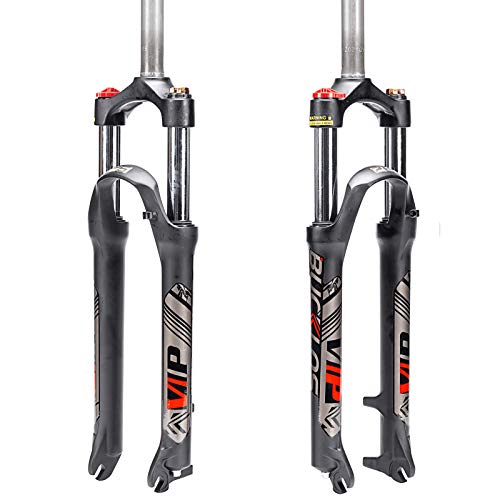
Type: Suspension fork for mountain bikes with 100 mm travel. Identical core specs to the first BUCKLOS model: 28.6 mm straight steerer, 30 mm crown race, manual lockout, 9 mm QR, and 32 mm tube diameter. Weight around 2598 g. Includes a removable Bucklos sticker and manual ABS adjustment for ride customization on varying trails.
BUCKLOS 140mm Air Suspension Fork

Type: Air suspension fork with 140 mm travel for aggressive trails. Steerer: 28.6 mm Threadless, straight with crown lockout and rebound adjustment. Crown race: 30 mm; Tube diameter 34 mm. Uses aluminum-magnesium alloy upper tubes for rigidity and steering precision. Weighs about 1976 g. Remote and manual lockout options available to tailor ride feel on varied terrain. External rebound knob offers 20-click adjustment for personalized cushioning.
BUCKLOS 120mm Air Suspension Fork

Type: Air suspension fork with 120 mm travel. Steerer: 1-1/8″ straight/tapered, 28.6 mm. Crown race: 39.8 mm; Remote/Manual lockout. Offset 38 mm; Tube diameter 32 mm. Construction uses Aluminum alloy and Magnesium alloy for strength-to-weight. Weight around 1800 g. Rebound and compression damping can be tuned to rider weight and terrain for improved trail feedback and control.
BestParts Toseek MTB Front Carbon Fork

Type: Rigid front fork for mountain bikes. Material: Full carbon fiber, 3K T800 weave for high strength and light weight. Compatibility includes 26″, 27.5″, and 29″ wheel sizes. Straight 1-1/8″ steerer. Weight-optimized carbon blades reduce road vibration compared to metal forks, delivering a smoother ride. No suspension or lockout features, suitable for rigid frame builds or frames designed for rigid forks.
KANGXYSQ 26″ Aluminum Rigid Fork

Type: Rigid mountain bike fork for 26″ wheels. Material: Aluminum alloy, A6061. 1-1/8″ threadless straight tube with 28.6 mm diameter. Compatible with Disc/V brakes and 160 mm rotors. Lightweight design at roughly 825 g, offering a stiff front end for precise steering and acceleration on smooth to moderately rough terrain.
Buying Guide: Key Purchase Considerations
Travel and suspension type: For aggressive trail riding or enduro, select forks with higher travel (120–140 mm or more) and air-spring damping for adjustable sensitivity. For XC or light trail use, 100 mm or rigid carbon/aluminum forks offer a lighter, efficient alternative.
Steerer and compatibility: Ensure the steerer tube diameter (commonly 28.6 mm) and the headtube interface match your frame. If your frame is tapered or uses a specific crown race, verify compatibility with the crown race dimensions and axle standards (9 mm QR is common for older setups, while modern forks may use through-axle).
Material and weight: Aluminum and magnesium alloys balance cost and stiffness for front end control. Carbon forks provide light weight and vibration damping but at a higher price. Rigid carbon forks are best for weight-conscious builds and smooth trails.
Lockout and damping: Manual lockout helps conserve energy on climbs or smooth sections. Remote lockout adds convenience on rough terrain when you need suspension access without removing hands from the bars. Rebound and compression adjustments enable customization for rider weight and terrain.
Brake compatibility and rotor size: Confirm compatibility with your braking system (disc or V-brake) and rotor sizes up to 160 mm or larger if supported by the fork. This affects stopping power and heat management on steep descents.
Durability and serviceability: Look for forks with accessible service parts (air seals, damping cartridges) and straightforward maintenance. Removable decals or stickers can help with personalization without compromising performance.
Bike type and riding style: Choose based on intended riding: rigid carbon for cross-country efficiency; air-sprung suspensions for versatile trail riding; or premium rigid aluminum for budget builds with predictable performance.
Where to buy: For each product, the provided Amazon listings include detailed specs, warranty information, and user reviews that can inform reliability and after-sales support.