Choosing the right first bike with pedals helps kids transition from balance training to independent riding with confidence. This guide highlights five popular options designed for ages from toddlers to early school-age children, balancing safety, grow-with-me features, and ease of use. Each pick combines sturdy construction with kid-friendly design to support learning, balance, pedaling, and steering control as kids develop new cycling skills.
| Product | Suggested Age / Size | Pedal Type | Notable Feature |
|---|---|---|---|
| 12 14 16 18 Inch Kids Bike BMX Style Bicycle | 2-10 years | Pedals (training wheels, coaster brake) | Multiple colors; training wheels for beginners |
| JMMD 6 in 1 Toddler Bike with Push Handle | 18-60 months | Pedals (with 6-in-1 design) | Transforms from push trike to balance bike and more |
| RoyalBaby Kids Bike Freestyle Classic | 3-10 years | Pedals; front caliper brake; rear coaster brake | Ease of assembly; safety-focused braking |
| Kid’s Balance Bikes (First Pedal Version) | 12-36 months | Pedals (adjustable seat, front basket) | First pedal-ready option with adjustable features |
| WEIZE Mountain Bike | Varies by frame size (kids to adults) | Pedals; multi-gear (adult-focused) | Suspension and durable build for growing riders |
Below are five products chosen for relevance to the concept of a first bike with pedals, emphasizing safety, adaptability, and user-friendly design suitable for American kids and families exploring pedals for the first time.
Best First Bike With Pedals: BMX Style With Training Wheels
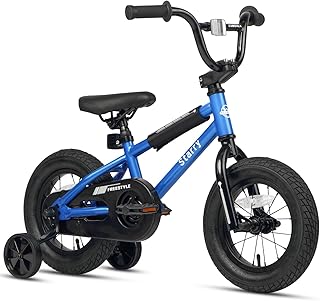
12 14 16 18 Inch Kids Bike BMX Style Bicycle with Training Wheels Coaster Brake for 2-10 Years Old Toddlers Boys Girls Multiple Colors combines a sturdy frame with kid-friendly features. The bike includes training wheels to stabilize early riders and a coaster brake for simple stopping. It supports a range of sizes, making it a flexible option as your child grows from balance to pedaling. The color options provide a playful look that can boost a beginner’s interest in trying pedals for the first time. This bike emphasizes safety through wide tires and a supportive wheelbase that helps maintain balance during learning.
JMMD 6 in 1 Toddler Bike With Push Handle

The JMMD 6-in-1 design offers a progression path from a push trike to a pedal-equipped toddler bike. This model supports ages 18 to 60 months and features an adjustable parent push handle, adjustable steering, seat, and height extension to accommodate growth. It includes safety-oriented components such as a hand brake, a 60-degree steering limiter, and a chain-free system for smoother, more controlled transitions into pedaling. The removable handlebars and modular configuration allow caregivers to tailor the ride experience, encouraging confidence with pedals as confidence builds.
RoyalBaby Kids Bike Freestyle Classic
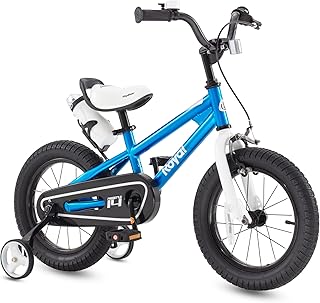
RoyalBaby’s Freestyle Classic offers a balanced approach to early pedal learning with easy assembly and safety-conscious design. The bike includes 95% pre-assembled construction, reducing setup time and potential mistakes. It features front caliper and rear coaster brakes for reliable stopping, plus wide pneumatic tires for stability on varied surfaces. A steel frame ensures durability, while the chain guard and non-slip pedals help prevent accidents. This model emphasizes a gentle learning curve, combining straightforward operation with dependable braking performance as kids start pedaling confidently.
Kid’s Balance Bikes With Adjustable Seat
The KidRoller balance option emphasizes gentle progression to pedals with adjustable seating and a front basket that can make rides more engaging for toddlers. While it focuses on a balance-based start, it also supports a natural pedal transition as confidence grows. The adjustable features help parents tailor the ride to fit the child’s height and stride, encouraging a smooth hand-off from pushing to pedaling.
WEIZE Mountain Bike For Youth

WEIZE’s option adds rugged build quality with suspension and multiple speeds, suitable for older kids who are transitioning to pedaling more demanding terrain. While it leans toward older riders, its sturdy construction and adjustable components provide a robust platform for continued growth. It’s a useful reference for parents planning longer-term pedal riding beyond a basic starter bike, ensuring ongoing safety and performance as a child’s cycling skills mature.
Buying Guide: Key Purchase Considerations
- Age and size alignment: Select a bike that matches your child’s current height and leg length, with growth room for several months to a year of use. A seat height that allows a slight knee bend when pedals are at the lowest point is ideal for comfort and control.
- Pedal system and transition path: Start with pedals or a training-wheels-assisted pedal experience, then move toward independent pedaling. Look for bikes offering a gradual transition from push-assisted modes to pedal-powered riding.
- Braking and safety features: Front and rear brakes, grip safety, and a stable wheelbase contribute to controlled stops. Coaster brakes are common on beginner bikes, while hand brakes require more finger-strength—important to evaluate based on age and coordination.
- Weight and frame durability: Lighter frames are easier for kids to maneuver, while strong, steel or alloy frames improve safety during falls or collisions. Consider corrosion resistance and wheel quality for longevity.
- Adjustability and growth: Seats, handlebars, and push handles (for parent-guided models) should adjust easily to accommodate growth. A bike that grows with your child saves money and reduces the frequency of replacements.
- Ease of assembly: Many beginner bikes ship partially assembled. Look for models with straightforward assembly instructions and included tools to minimize setup time and mistakes.
- Safety accessories: Training wheels, helmets, knee and elbow pads, and a chain guard contribute to safety. A front light and reflectors improve visibility for rides in low light.
- Maintenance needs: Look for low-maintenance components like chain-free drives on early-learning bikes, or sealed bearings that resist grime and require less upkeep.
When evaluating first bikes with pedals, consider not only the child’s current ability but also how the bike supports skill progression. A model that starts with stabilization or push-assisted modes and gradually shifts to independent pedaling often yields the best learning experience. Meanwhile, parents should assess weight, control, and braking response to ensure a confident, safe transition to full pedaling on daily outings.