Riding fat tire bikes demands tires that blend stability, puncture resistance, and versatile tread for street, snow, sand, and dirt. This article highlights five top fat tire tires from trusted brands, each designed to maximize grip, durability, and performance across varied terrains. Whether you ride a mountain bike, an electric bike, or a hybrid on mixed surfaces, these tires help you ride with confidence. Read on to compare features, compatibility, and what to consider before you buy.
| Product | Brand | Pattern/Use | Key Benefit |
|---|---|---|---|
| ULTRAVERSE 26×4 | Ultraverse Store | All-Terrain/Dual-Use | Anti-puncture, all-weather performance |
| MOHEGIA Ebike Fat Tire 26×4 | MOHEGIA Store | All-Terrain, E-Bike | Complete replacement kit with tubes and levers |
| Fincci Pair 26×4.0 | Fincci Store | All-Terrain, E-Bike friendly | Durable tread design with Kevlar bead |
| ULTRAVERSE 20×3.0 | Ultraverse Store | All-Terrain/Smaller Fat Tire | Flexible front or rear use, reliable off-road |
| HEB Allscape 26×4.0 | Happy Ebikes Store | All-Terrain, Puncture-Resistant | Longevity and heavy-duty puncture resistance |
ULTRAVERSE 26×4 Fat Tire For All Terrain
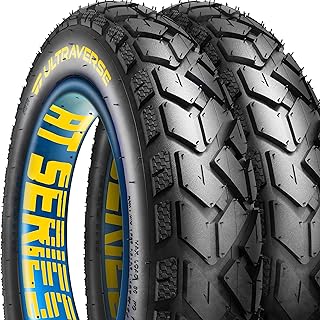
The ULTRAVERSE 26×4 fat tire is built for robust performance across street and trail. It features a high-density rubber compound and advanced anti-puncture technology to reduce flats while delivering reliable grip on varied terrain. The directional tread enhances stability on loose dirt, mud, and gravel, while maintaining smooth rolling on paved surfaces. Suitable for both front and rear installation, it suits mountain bikes, e-bikes, and other fat-tire platforms. This tire emphasizes all-weather reliability and a balanced ride feel that many commuters and explorers seek for mixed-route days.
Key points: durable construction, puncture resistance, versatile usage across bike types, and an all-weather riding profile. The motorcycle-inspired herringbone pattern aids water displacement and grip, contributing to predictable handling in wet or uneven conditions. Ideal for riders who traverse urban streets and backcountry trails alike.
MOHEGIA Ebike Fat Tire 26×4.0

This 26×4.0 inch fat tire from MOHEGIA is designed for E-bikes and mountain bikes alike, offering a complete replacement kit that includes two tires, inner tubes, and tire levers. The tire size fits 26″x3.5-4.5″ tubes and supports heavy loads up to 266.6 lbs (120 kg). Its all-terrain capability makes it suitable for riders tackling dirt, sand, and rocky trails. The included Schrader valve tubes simplify inflation and maintenance, a practical option for riders who prefer ready-to-install kits.
Highlights include a compact kit package for quick upgrades, versatile compatibility with common fat-tire setups, and robust construction aimed at sustaining high torque from electric motors. For those replacing worn tires or equipping a new fat-tire build, MOHEGIA offers a straightforward path to reliable performance on challenging routes.
Fincci 26×4.0 Fat Bike Tires

Fincci’s 26×4.0 fat tires are designed to fit standard 26-inch fat rims, featuring a 30 TPI casing and Kevlar bead for improved puncture resistance and durability. The all-terrain directional tread is optimized for ebike tires and mountain biking, enhancing grip on sand, snow, and dirt. The wide lugs and reinforced sidewalls provide stability and better traction on rough surfaces, while remaining practical for daily commuting where road debris can pose a risk. This tire line emphasizes a balance between rugged off-road performance and everyday usability for riders who evolve from street to trail.
Considerations include compatibility with 26″ fat rims, the reinforced bead, and tread design that supports multi-surface riding. The 30 TPI construction helps with durability without overly compromising ride quality. If you frequently switch between paved roads and light-to-moderate off-road paths, Fincci’s design offers a dependable option with ample tread depth.
ULTRAVERSE 20×3.0 Fat Tire For MTBs And E-Bikes
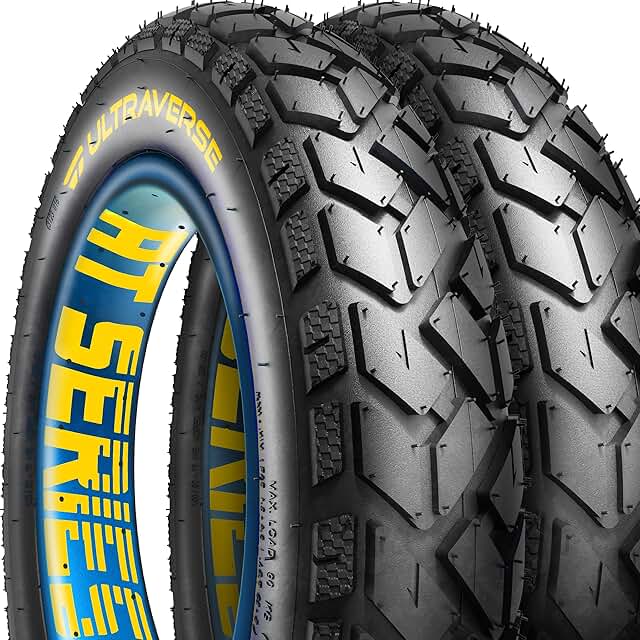
The ULTRAVERSE 20×3.0 tire is built for smaller-fat configurations, offering durability and a versatile tread pattern that suits both MTB and electric bike applications. The tire combines rugged construction with a well-balanced all-terrain profile, helping riders handle street surfaces and muddy off-road sections. Its resilience against punctures and its design for front or rear use make it a practical option for riders who value reliability and steady handling across varied conditions.
Users should note that the 20×3.0 size is best suited for bikes designed to accommodate smaller fat tires. The all-weather performance and robust construction align with those who demand consistent grip and longevity on demanding routes, while keeping rolling efficiency on paved stretches.
HEB Allscape 26×4.0 E-Bike Tire
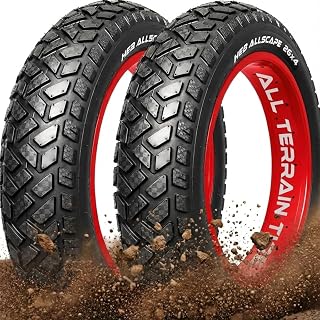
HEB Allscape 26×4.0 tires are engineered for puncture resistance and extended life on electric bikes. The tire uses a high-density motorcycle-grade rubber compound to withstand the torque and weight of e-bikes, delivering an estimated 3,000–5,000 miles of ride time with careful maintenance. The puncture-resistant construction features thickened sidewalls and a robust tread that works across all-terrain surfaces, including wet pavement and loose gravel. The directional herringbone pattern channels water and provides improved cornering, while reflective sidewalls boost visibility during dawn and dusk rides.
Purchase considerations include long-term durability, puncture protection, and compatibility with heavier electric bikes. The Allscape tire is designed for riders who want a higher-mileage fat-tire option without sacrificing traction or control on mixed surfaces, making it suitable for daily commuting and weekend excursions alike.
Buying Guide: Key Purchase Considerations And Comparisons
Choosing the right fat tire is about matching tire dimensions, tread design, and construction to your bike and riding style. Here are essential considerations:
- Size compatibility: Most fat tires use 26-inch rims with 4.0 inches of width, but always confirm your wheel width and frame clearance for 4.0 inch tires, especially on newer bikes or tight frame designs.
- Tread pattern: All-terrain directional treads provide a balance of grip and rolling efficiency. Consider herringbone or angled blocks for better water dispersion and cornering on wet surfaces or looser soils.
- Durability and puncture resistance: Higher-density rubber, thick sidewalls, and Kevlar bead improve puncture resistance and longevity, particularly for daily commuting and long rides on rough roads.
- Weight and rolling resistance: Heavier tires may reduce acceleration but increase stability and durability. For riders prioritizing speed, weigh tradeoffs between grip and weight.
- Ready-to-install kits: Some tires are sold as complete kits with inner tubes and levers, simplifying installation and ensuring compatibility with existing rims and tubes.
- Bike compatibility: E-bikes demand tires that handle extra torque and weight. Check load ratings and manufacturer recommendations to avoid premature wear or safety issues.
- Maintenance: Regular checks for punctures, slow leaks, and tread wear extend tire life. Carry a patch kit and pump for on-the-go maintenance.
- Visibility: Tires with reflective sidewalls or pronounced tread can improve safety during low-light rides, especially in urban settings.
Across these five options, you’ll find a spectrum of benefits—from ready-to-install kits to long-wear, puncture-resistant designs. The best choice depends on your bike type (MTB, fat-tire e-bike, or hybrid), your typical riding surfaces, and how much emphasis you place on mileage versus on-the-trail grip. For riders who frequently navigate mixed surfaces and carry heavier loads, options with reinforced sidewalls and denser compounds tend to deliver more consistent performance over time. Conversely, if you mainly ride on smoother roads with occasional light trails, a lighter tire with a balanced tread can yield better rolling efficiency without sacrificing control.