Choosing the right mini bike engine means balancing power, reliability, fuel efficiency, and durability. The following five engines represent strong options for riders seeking high performance in compact form factors. Each entry highlights key specifications and notable design elements to help you compare quickly and make an informed decision.
Summary at a glance: the five engines below share high horsepower (mostly 7.5 HP), air cooling, and robust construction from iron, aluminum, and durable plastics. They are well-suited for go-karts, mini bikes, dirt bikes, and similar light-duty activities. Use the table to skim core specs, then read each product section for details and practical considerations.
| Product | Horsepower | Engine Type | |
|---|---|---|---|
| 4-Stroke Gas Engine Motor, 212cc 7.5HP – Mini Bike Engine | 7.5 HP | Air-cooled, single cylinder | High rpm and strong power delivery |
| 7.5HP 4-Stroke Gas Engine, 212CC Mini Bike Engine – Horizontal Shaft | 7.5 HP | Air-cooled, horizontal shaft | Large fuel tank, silenced operation |
| 7.5HP 4 Stroke Gas Engine, 210CC – Go Kart/Mini Bike | 7.5 HP | Forced air cooling, single cylinder | High capacity fuel tank, integrated silencer |
| Predator 6.5 HP 212cc OHV – Horizontal Shaft | 6.5 HP | OHV, air-cooled, horizontal shaft | Durable cast iron cylinder, recoil start |
| 49cc 50cc 2 Stroke Racing Engine – Pocket/Dirt Bike | 49–50 cc (approx. 4–5 HP equivalent) | 2-stroke, air-cooled | High speed and heat dissipation for rapid upgrades |
4-Stroke Gas Engine Motor, 212cc 7.5HP Mini Bike Engine

Power and durability define this 212cc, 7.5HP engine designed for mini bikes and similar platforms. Built with iron, aluminum, and plastic components through die-casting and stamping processes, it emphasizes hardness, corrosion resistance, and a long service life. The engine delivers robust speed at 3600 rpm, enabling quick task completion. Its 4-stroke design helps optimize fuel usage, with a fuel consumption rate around 0.08 gal per kW hour, contributing to efficient operation during longer sessions.
7.5HP 4-Stroke Gas Engine, 212CC Mini Bike Engine – Horizontal Shaft

This horizontal-shaft engine shares a 7.5HP output and 3600 rpm with a focus on efficiency and longevity. A standout feature is the 0.8-gallon fuel tank, reducing refueling stops during extended operation. The unit includes a silencer to minimize noise, creating a more comfortable working environment and aligning with neighbor-friendly operation on residential trails or tracks. Its construction emphasizes corrosion resistance and durability, ensuring reliable performance over time.
7.5HP 4 Stroke Gas Engine, 210CC – Go Kart Mini Bike Engine

This 210cc, 7.5HP engine uses forced air cooling coupled with a single cylinder design for reliable power delivery. It highlights a large fuel capacity—up to 3.6 liters—providing extended operation between refueling. A notable internal silencer design reduces noise, which can improve operator comfort during prolonged use and make it easier to operate in shared spaces such as backyards or club tracks. The engine has undergone a 100-hour durability test, with minimal wear noted, underscoring its resilience.
Predator 6.5 HP 212cc OHV Engine – Horizontal Shaft

Equipped with an overhead valve (OHV) design, this engine balances compact dimensions with reliable power delivery. It features a durable cast iron cylinder to withstand wear and abuse, and user-friendly controls for straightforward starting and operation, including a recoil start mechanism. The engine’s setup makes it suitable for go-karts, mini bikes, and small off-road machines that demand steady, accessible power with simple maintenance.
49cc 50cc 2 Stroke Racing Engine – Pocket/Dirt Bike
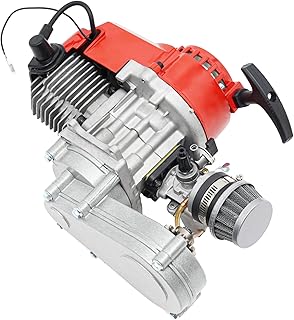
This 49cc to 50cc dirt bike engine uses a two-stroke design for enhanced speed and rapid acceleration. Its construction features iron parts with an aluminum shell, combining durability with a light overall weight. The engine supports high-speed operation up to about 40 mph in modified builds, making it a popular choice for mini dirt bikes and pocket bikes. Key benefits include efficient heat dissipation via air cooling, helping to sustain performance during continual use.
Buying Guide
Engine selection considerations center on intended use, compatibility, and maintenance practicality. Key factors include:
- Power needs: Higher horsepower is better for hills, payloads, and faster speeds, but may come with higher fuel consumption and heat output.
- Cooling method: Air cooling is common and reliable for compact engines, while liquid cooling is not typically used in mini bikes due to complexity and weight.
- Fuel capacity and range: Larger tanks reduce refueling stops for extended sessions, but add weight. Balance the tank size with the vehicle’s frame design.
- Durability and materials: Engines built with iron and aluminum are typically tough and corrosion resistant, though weight may vary. Look for proven wear testing or durability claims.
- Noise management: Silencers lower noise, aiding in neighbor relations and riding comfort, especially in residential areas or clubs with noise restrictions.
- Starting mechanism: Recoil starts are common and dependable; consider electric start if available, especially for frequent startups.
- Maintenance needs: Accessibility of parts, common wear items (gaskets, seals, filters), and availability of spare parts influence total ownership cost.
- Compatibility: Check mounting patterns, shaft orientation (horizontal vs. vertical), and overall dimensions to fit your frame and drivetrain.
For riders prioritizing maximum speed on compact platforms, engines in the 7.5HP range with effective cooling and larger fuel tanks generally offer the best balance of power and range. When evaluating options, consider how often you ride, track or trail conditions, and your willingness to perform routine maintenance to sustain peak performance.