Transforming a regular bicycle into a capable electric ride is easier than ever with high-power e-bike conversion kits. This guide highlights five top options that emphasize speed, performance, and reliability for American riders seeking speed, climbing capability, and smooth operation. Each kit is evaluated on motor power, compatibility, and feature set to help you pick a model that blends well with urban commutes or weekend adventures.
Summary at a glance:
| Product | Brand | Motor Power | Drive Type | Key Feature |
|---|---|---|---|---|
| NBPOWER E-Bike Kit | NBPOWER | 3000W | Rear Hub | High top speed, TFT display |
| PEXMOR Front Wheel Kit | PEXMOR | 1200W | Front Hub | 3-mode controller, PAS/LCD |
| AW 48V 1000W Front Kit | AW | 1000W | Front Hub | Dual-mode controller, PAS |
| BAFANG BBS02B (Mid Drive) | BAFANG | 750-1000W | Mid-Drive | All-terrain torque, adaptable |
| DDYOOK 1000W Rear Kit | DDYOOK | 1000W | Rear Hub | LCD display, 5-speed adjustment |
NBPOWER 3000W Rear E-Bike Kit
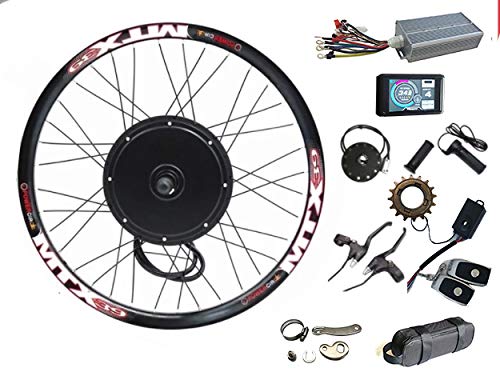
The NBPOWER rear kit is built for riders seeking high top-end speed and strong hill performance. It features a large 3000W motor designed for 135mm rear dropout spacing, paired with a sine-wave controller and a color TFT display to monitor ride data in real time. The kit is designed for 29″ rear wheels and emphasizes robust performance, making it suitable for riders who want powerful acceleration on mixed terrain. Its rear-hub layout simplifies installation on compatible frames and preserves much of the bike’s original drivetrain without a front motor complicating steering geometry.
Key considerations include ensuring your frame compatibility, battery capacity, and legal speed limits in your area. The included controller and display help you track power needs, throttle response, and fault alerts, supporting safer, more confident rides at higher speeds. Installation requires mechanical aptitude, including brake and wheel compatibility checks, and you may need a compatible battery option to maximize range and consistent performance on longer routes.
PEXMOR 1200W Front Wheel Kit

The PEXMOR 1200W front-wheel kit emphasizes strong climbing capability and high torque with a sine-wave controller for smooth, quiet operation. It is compatible with 26″ frames and fits 100mm/3.93″ front dropouts, offering a straightforward upgrade path for many older bikes. The kit includes a PAS system and LCD display to show speed, battery level, and ride mode, making it easy to manage assist levels during commutes or weekend climbs. With a powerful front motor, riders should consider steering dynamics at higher speeds and ensure proper front braking setup for balanced handling.
Pros include confident hill-climbing performance and real-time ride data. Potential considerations include front-wheel steering feel under heavy acceleration and ensuring adequate front braking power to maintain safe control, especially on wet or steep descents. Battery choice and range will heavily influence overall performance for longer rides or frequent uphill sections.
AW 48V 1000W Front Kit
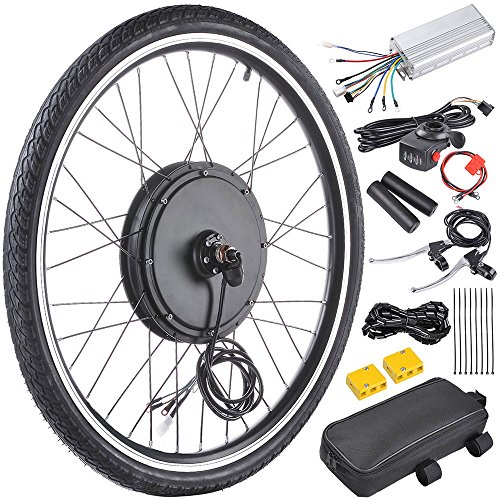
This AW front-wheel kit combines a 48V 1000W brushless hub motor with a dual-mode controller, offering efficient performance and flexible operation. The kit is designed for 26″ front wheels and supports 3 15/16″ front dropout spacing, making it a good match for many standard bikes. The aluminum alloy frame adds durability while the pedal-assist system provides a smoother, fatigue-reducing ride. A thumb throttle with battery indicators helps riders manage charge status to avoid unexpected power loss during longer trips.
Consider compatibility with your bike’s braking system (disc or V-brake) and the need for a proper front brake setup to maintain balanced handling at higher speeds. The perceived benefit is a clean front-motor integration that preserves wheel stability and minimizes drivetrain interference, ideal for riders seeking a straightforward, reliable upgrade.
BAFANG BBS02B/BBS-HD Mid-Drive Kit

The BAFANG mid-drive kit offers substantial torque and a versatile mounting approach for 68-73mm bottom brackets. This kit can be configured to 500W, 750W, or 1000W output, enabling strong performance across a range of bikes. It supports disc or V-brake-equipped models with a chain-driven configuration and provides throttle, pedal-assist, and standard cycling modes for flexible riding. With 45 km/h top speeds commonly achievable, riders can enjoy responsive acceleration and smooth hill-climbing on mixed terrain.
Key considerations include drivetrain compatibility, the potential need for a new battery, and ensuring your frame dimensions align with the motor’s bottom bracket and crankset geometry. Mid-drive systems tend to deliver superior hill-climbing due to torque multiplication, but installation can be more involved and may require professional fitting for optimal shifting performance.
DDYOOK 1000W Rear Kit with LCD

The DDYOOK 1000W rear kit features a powerful 1000W brushless gearless motor paired with a dual-mode controller and LCD display. It supports a 5-speed adjustment and a drive interface that allows for easy control of speed and pedal assist. The kit emphasizes a smooth, quiet operation and a broad speed range, making it well-suited for urban commuting and faster weekend rides. The rear-wheel configuration helps maintain balanced steering and preserves front-end handling on most bikes.
Important considerations include the compatibility of your wheel size and dropout spacing, the ability to install a compatible brake system, and ensuring the battery pack provides adequate range for your typical riding profile. The LCD display aids in monitoring performance and battery status for safer, more predictable rides at higher speeds.
Buying Guide: Key Purchase Considerations
Power and speed goals: Decide whether you want a front-hub, rear-hub, or mid-drive system. Front-hub kits deliver straightforward installation and strong initial push but can affect steering feel at high power. Rear-hub kits offer balanced traction and ease of installation. Mid-drive kits typically deliver the best hill-climb performance and overall efficiency by leveraging the bike’s gears, but may require more complex installation and maintenance.
Bike compatibility: Check dropout spacing, wheel size, bottom bracket type (for mid-drive), disc vs. rim brakes, and frame clearance. Some kits require specific fork width, brake compatibility, or added hardware to fit your bike safely.
Power management and range: Higher wattage means more speed and torque, but also increased battery drain. Consider battery chemistry, capacity, and a compatible charger to maintain consistent performance across trips. Real-world range depends on rider weight, terrain, and assist mode usage.
Controllers and PAS: Look for sine-wave or advanced controllers for smoother throttle response and better heat management. Pedal Assist System (PAS) levels influence fatigue, ride comfort, and efficiency on longer routes. LCD displays provide vital data on speed, distance, and battery life for trip planning.
Safety and legality: Many regions regulate electric-bike speeds and motor power. Verify local laws to ensure your build remains compliant. High-speed configurations may require adjustments to braking performance, lights, and safety gear for road use.
Installation considerations: Some kits are designed for DIY installation, while others benefit from professional fitting. Assess your mechanical aptitude, your bike’s frame, and warranty implications before proceeding. After installation, calibrate the brake levers, torque settings, and throttle response to ensure a safe, reliable ride.