Choosing the right ergonomic handlebar grips can improve comfort, reduce fatigue, and enhance control across diverse riding styles. The following picks showcase designs that emphasize grip security, vibration dampening, and wrist-support features. Each product is evaluated for material quality, installation practicality, and overall ergonomics to help riders select grips that fit mountain, road, and hybrid bikes alike.
The table below provides a quick overview of the selected products to help you compare at a glance.
| Product | Brand |
|---|---|
| SAPLIZE Bike Grips, Ergonomic Design Bicycle Grips Widen Holding Rubber Bike Handlebar Grips with Aluminum Lock for Mountain Road MTB (Black, Black Rings) | SAPLIZE |
| Wittkop Bike Grips with Innovative 3-Zone Design Made in Germany I Ergonomic Design | Wittkop |
| TOPCABIN Ergonomic Bicycle Grips – Widen Holding Rubber Bike Handlebar Grips with Aluminum Lock | TOPCABIN |
| GXCROR Bike Grips, Ergonomic Silicone with 3D Non-Slip Pattern | GXCROR |
| GPMTER Bike Handlebar Grips with Single Lock-on | GPMTER |
SAPLIZE Ergonomic Grips With Aluminum Lock
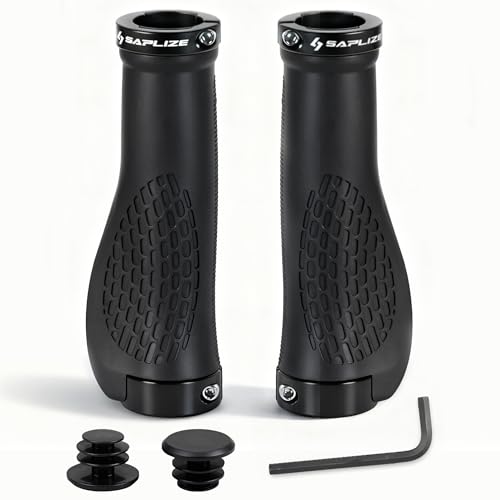
The SAPLIZE grips combine a classic anti-slip pattern with a hard plastic core and a medium-soft TPE wrap. This combination provides a balance of firm support and cushioned feel, aiming to minimize wrist strain on long rides. The design includes double aluminum alloy rings at both ends, which helps secure the grips firmly to the handlebars and reduces slippage during demanding terrains. A note on installation mentions avoiding over-tightening the screws and offers support if screws break, underscoring a practical, rider-focused approach.
Ergonomically shaped for wrist comfort, these grips emphasize shock absorption and grip security, making them suitable for extended cycling sessions on mountain and road bikes alike. The materials are chosen to deliver a reliable grip in varying weather, while the dual-lock rings help prevent movement even under aggressive riding. They are well-suited for riders seeking a stable, performance-oriented grip without a high price tag.
Wittkop 3-Zone Ergonomic Grips

Wittkop’s grips feature an innovative 3-zone design: a non-slip zone for secure hand placement, a comfort zone for reduced fatigue, and an EFC (ergonomic comfort) zone that supports broader hand contact. Made in Germany, these grips emphasize precision engineering and durability, with UV and weather resistance to withstand daily rides in varying climates. The result is a grip that aims to reduce wrist discomfort through targeted support while maintaining reliable traction even in wet or dusty conditions.
German craftsmanship, combined with a focus on ergonomic segmentation, can benefit riders who spend long hours in the saddle. The non-slip area prioritizes control in wet weather, while the comfort and EFC zones distribute pressure more evenly across the palm. This design is especially appealing for riders who experience wrist tenderness or fatigue after long rides or rough terrain.
TOPCABIN Widening Ergonomic Grips

TOPCABIN’s ergonomic grips are designed to widen the bearing surface to spread contact more broadly across the hand, potentially reducing pressure points. They fit outer diameters between 22-23 mm and include a universal fit that accommodates most handlebars, including road, mountain, and fixed-gear setups. The 130 mm length provides a balanced grip area for riders who prefer a slightly longer reach, and a sturdy plastic cap completes the installation for a clean look.
Constructed for versatility, these grips emphasize ease of installation and a secure lock-on mechanism via aluminum, enhancing stability on rough trails or fast descents. They are a solid option for riders who want reliable comfort without specialized sizing or custom components. The colorways and build suggest durability suitable for daily commuting as well as weekend rides.
GXCROR Dual-Density Comfort Grips

GXCROR offers ergonomic grips described as dual-density silicone with a 22.2mm fit and a textured 3D non-slip pattern. While the listing emphasizes general “shock-absorbing” properties, the core idea is to provide a comfortable, grippy surface that maintains control across weather conditions. The silicone composition aims to deliver a cushioned feel while preserving tactile feedback for precise handling on varied terrains, including urban commuting and light off-road use.
These grips are positioned for riders who value a soft touch with reliable grip. The 22.2mm standard size ensures compatibility with many bikes, and the non-slip surface is designed to maintain grip in rain or sweat. If you prefer a silicone feel with a bit more give, GXCROR presents a compelling option for everyday riding and occasional rugged use.
GPMTER Lock-On Grips With Gel Layer
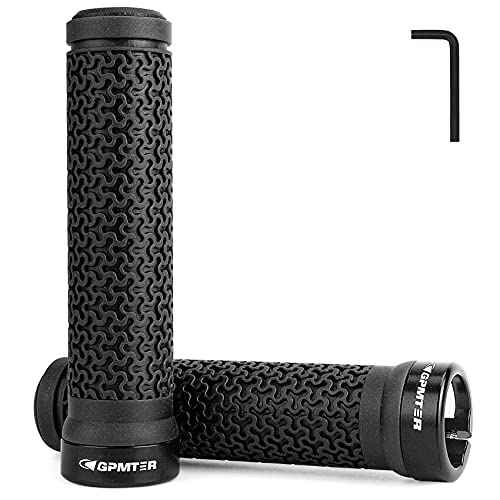
GPMTER’s single-lock-on grips emphasize both durability and comfort, featuring a gel layer that enhances fingertip soft touch and general hand comfort. The ergonomic shape aims to reduce fatigue by spreading load more evenly across the palm while a high-friction rubber surface maintains secure grip in all weather. The combination of a single lock-on system with an anti-slip design makes installation straightforward for BMX, mountain, or commuter bikes.
Riders who enjoy longer rides or mixed-terrain cycling may appreciate the extra cushion provided by the gel layer. The textured rubber design helps maintain grip in wet conditions, while the lock-on mechanism keeps the grip firmly in place during aggressive riding. GPMTER’s approach balances comfort with practical performance for versatile use.
Buying Guide: Key Purchase Considerations
Material and Feel: Grips range from rubbery, cushioned gels to firmer rubber compounds. Decide whether you prefer a soft, compliant surface or a firmer, more responsive feel. Consider whether silicone or thermoplastic elastomer (TPE) wraps best suit your climate and sweat levels.
Ergonomic Design: Look for designs that support the wrist, with wider contact surfaces, sculpted wings, or zone-based patterns. Grips that reduce pressure points can help prevent fatigue on long rides, especially for riders with sensitive wrists or prior discomfort.
Lock-On System: Lock-on grips use aluminum rings and clamps to secure the grip to the bar. A good lock-on reduces twisting and improves confidence during rough terrain or heavy braking. Check compatibility with your handlebar diameter (commonly 22.2 mm or 23.8 mm on certain models).
Durability and Weather Resistance: In a variety of climates, UV resistance, water resistance, and abrasion resilience impact long-term performance. If you ride in rain or mud, prioritize materials that maintain grip in wet conditions without becoming slippery.
Installation and Compatibility: Consider whether the grips are easy to install with standard tools. Check the outer diameter range, length, and whether a standard 130–135 mm length fits your bike’s topology. Some grips are universal; others are tailored for specific handlebars.
Maintenance and Replacement: Some products include customer support for screws or components that break during installation. Evaluate warranty options and whether replacement parts are readily available from the manufacturer.
Riding Style and Terrain: Mountain biking, road cycling, and commuting have different grip demands. For aggressive off-road riding, grips with robust anti-slip patterns and solid lock-ons can reduce hand fatigue. For everyday commuting, comfort and “day-long” durability may take precedence.
Price and Value: While not listing prices here, compare per-row durability, grip feel, and installation effort against cost. A higher initial investment may yield longer-term comfort and reliability, especially for riders facing frequent grip replacements.