Choosing an electric dirt bike for an 8-year-old involves balancing speed, safety, range, and build quality. The following selections are designed to appeal to young riders with kid-friendly controls, reliable braking, and sturdy frames. Each model listed below is evaluated on motor power, battery life, safety features, and durability to help parents make an informed choice that suits their child’s skill level and riding environment.
| Product | Brand | Top Speed (approx.) | Estimated Range | Key Safety Features |
|---|---|---|---|---|
| K1 Kids Electric Dirt Bike 36V | ECOLEAP Store | 16 mph | Up to 14 miles | UL-2272 certified, inverted front fork, rear parking brake, IP54 waterproof, 3-speed modes |
| Razor MX125 Dirt Rocket | Razor Store | Up to 8 mph (13 km/h) | Not specified | 12” spoked wheels, hand-operated rear brake, low/high speed control |
| Hiboy DK1 36V Electric Dirt Bike | Hiboy Store | Up to 15.5 mph | Up to 13.7 miles | High-strength suspension, hydraulic fork, 3-speed modes |
| Hiboy DK1 (Second Listing) | Hiboy Store | Up to 15.5 mph | Up to 13.7 miles | High-strength suspension, hydraulic fork, 3-speed modes |
| 50cc Gas Dirt Bike (For Comparison) | Unspecified | Up to 40 km/h | Not specified | Disc brakes, off-road tires, strong frame |
K1 Kids Electric Dirt Bike 36V

The K1 model from ECOLEAP Store is a 36V dirt bike designed for ages 3-10, with 16 mph top speed and a long 14-mile range. It features an inverted spring hydraulic front fork and high-strength shock absorbers to enhance ride quality, along with a rear parking brake for added safety in stop-and-go riding. The body is IP54 waterproof for use in varied weather, and a 36V 5.2Ah lithium battery supports a 5-6 hour charge time under typical conditions. Three safe speed modes (low, medium, high) let caregivers tailor the ride to a child’s experience. A 7-color ambient lighting system adds a visual appeal for kids.
Key considerations: ensure your child is within the age and weight limits, and practice in a safe, open area away from traffic or obstacles. Regularly inspect the tires, brakes, and charging equipment to maintain performance and safety over time.
Razor MX125 Dirt Rocket Electric Bike
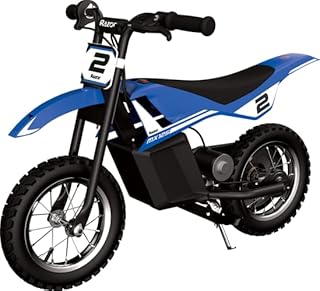
Razor MX125 offers a compact, kid-friendly motocross feel with authentic geometry, small footprint, and a hands-on riding experience. It features 12” spoked wheels with pneumatic tires for traction, a crossbar-reinforced handlebar, and a rear brake that is hand-operated. The bike operates with a rear-wheel drive, delivering a top speed that suits younger riders. A simple high/low speed control helps adapt the ride to a child’s comfort level and skill, balancing excitement with safety. This model is well-suited for smooth surfaces like driveways or schoolyards.
Considerations include ensuring the rider can safely reach and operate the throttle and brakes, and that supervision is available during initial rides to reinforce safe behavior and bike control.
Hiboy DK1 36V Electric Dirt Bike

The Hiboy DK1 is a 36V electric dirt bike with a 300W motor and a long-range 36V sealed lithium battery. It delivers up to 15.5 mph in its top setting and provides a practical range around 13.7 miles. The bike includes a triple-speed mode system (low, medium, high), allowing a gradual progression for younger riders as their confidence increases. The ride quality is enhanced by a high-strength shock-absorbing spring and a hydraulic fork, offering smoother operation and less noise compared with some traditional motocross bikes. Full charging typically takes about 4-5 hours.
Parents should supervise initial sessions to establish rider discipline and safety rules, and check battery health periodically to maintain optimal performance.
Hiboy DK1 36V Electric Dirt Bike (Second Listing)

This listing repeats Hiboy’s DK1 electric dirt bike, offering the same 36V, 300W setup with 15.5 mph top speed and a long-range battery. It emphasizes the same safety features: a sturdy suspension system, low-to-high speed modes, and quiet operation due to the hydraulic fork. The 90-minute ride time cited in testing can vary with rider weight and terrain. The rapid 4-5 hour recharge fits typical family schedules well for daily use after school or on weekends.
As with the other Hiboy options, ongoing maintenance includes keeping the chain well-lubricated, checking brake responsiveness, and ensuring the battery is charging within the recommended guidelines to extend life.
Buying Guide: Key Purchase Considerations And Comparisons
Age and weight suitability: Verify the manufacturer’s recommended age range and rider weight limits. For many kids’ electric dirt bikes, a weight threshold around 60-100 pounds is common, but this varies by model.
Motor power and speed controls: Models like the ECOLEAP K1 and Hiboy DK1 offer multiple speed modes. For beginners, selector ranges with a low speed setting provide safer learning curves, while older or more experienced riders may benefit from higher top speeds under supervision.
Battery life and charging: Look for lithium-ion packs with a documented range on a full charge and a realistic charging time. Longer ranges reduce the need for frequent recharges during outdoor play. Consider whether the charger is included and if the charger’s wall connection is compatible with your home setup.
Safety features: UL certification, waterproof or weather-resistant design, reliable braking (hydraulic rear or disc brakes), and front suspension are important. ABS-like features are less common in kids’ bikes, but consistent braking and stable handling are critical for safety.
Durability and maintenance: A rugged frame, quality plastics, and reliable wheel assemblies reduce the risk of damage on rough terrains. Check warranty coverage and whether replacement parts are readily available.
Riding environment: For paved driveways or light off-road use, shorter-range bikes with good braking and stability are ideal. If riding in dusty or muddy areas, ensure the bike has weather protection and easy cleaning.
Learning and supervision: Start with slow speeds in a safe space, and gradually increase complexity as the rider becomes comfortable. Use protective gear such as a helmet, knee pads, and elbow pads to minimize injury risk.
Budget and value: While keeping safety and durability central, compare total cost of ownership, including potential battery replacement or spare parts, to ensure long-term value.