Choosing a reliable speed controller is essential for safe, smooth electric bike and scooter performance. This guide highlights five notable options that cover common voltage ranges, protection features, and ease of integration with both sensor-based and sensorless systems. Whether you ride for commuting, recreation, or lightweight e-scooting, the right controller can improve throttle response, braking behavior, and overall motor longevity.
Overview of selected products:
| Product | Voltage Range | Key Benefit |
|---|---|---|
| Electric Bike Controller 36V/48V/64V 30A/750W/1000W | 36V–64V | Sine-wave, sensor-based or sensorless compatibility |
| CSBST 24V/36V/48V Controller Kit 500W 25A | 24V–48V | Reliable protection: brake-off, undervoltage, overcurrent |
| CSBST 24V/36V/48V Controller Kit 500W 25A (Variant) | 24V–48V | LCD display panel, real-time ride data |
| Topyond 48V Controller Kit with Throttle, 1000W | 48V | Twist throttle retrofit for 48V systems |
| labwork 36V-48V 350W Square Wave Controller | 36V–48V | Professional installation recommended; compact form |
The following sections provide concise, objective details for each product, followed by a practical buying guide to help compare options and select the best fit for your e-bike or scooter project.
Electric Bike Controller 36V/48V/64V 750W/1000W Overview

Focus on a versatile sine-wave brushless motor controller that supports UART, Hall-based or sensorless setups. This unit aims to deliver refined throttle response and stable performance across a wide voltage range, making it suitable for both mixed-speed e-bikes and scooters. Review notes emphasize compatibility with different motor configurations and protection features that help prevent overcurrent and undervoltage conditions.
CSBST 24V/36V/48V Controller Kit 500W 25A

This kit combines a 500W, 25A brushless controller with an LCD display panel. It emphasizes robust protection features including brake-off, undervoltage, and overcurrent safeguards, helping to extend motor life and reduce accidental damage. The included LCD panel delivers real-time metrics such as speed, battery level, ride time, and mileage, with waterproof and backlit capabilities for easy visibility in varied conditions.
CSBST 24V/36V/48V Controller Kit with Throttle
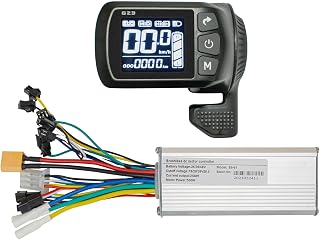
This variant emphasizes a user-friendly interface with an LCD display to provide real-time metrics. It’s designed for 24V to 48V systems and includes protective features such as brake-off and under/overcurrent protections. The assembly is intended to deliver dependable throttle control and intuitive readouts for monitoring ride data, which helps riders tune performance and monitor battery usage during trips.
Topyond 48V Controller Kit with Throttle, 1000W

The Topyond controller kit focuses on retrofitting 48V systems with a 1000W motor. It features a twist throttle with a locking key for secure operation and straightforward installation. This option is commonly chosen for riders looking to upgrade a mid-power setup without extensive re-wiring, offering a balance between performance and installation ease for conversion projects.
labwork 36V-48V Square Wave Controller

Designed for professional installation, this 350W square wave controller is compatible with 36V to 48V motors, making it suitable for lighter duty builds or replacements. The product’s emphasis on professional installation highlights the importance of precise wiring and secure mounting to maintain performance and safety in higher-vibration e-bike environments.
Buying Guide: Key Purchase Considerations
- Voltage and power compatibility: Ensure the controller supports your battery voltage (24V, 36V, 48V, or higher) and matches your motor’s wattage rating. Mismatches can cause performance issues or component damage.
- Control method: Decide between Hall-based (sensored) or sensorless operation. Hall-based systems typically offer smoother startup and better torque at low speeds, while sensorless configurations can be simpler and cheaper but may require more careful tuning.
- Protection features: Look for overcurrent, undervoltage, overheat, and brake-off protections. These reduce risk of motor stall, battery drain, and controller damage during aggressive riding or abrupt braking.
- Display and interface: If real-time data matters, choose a kit with an LCD or LED display that provides speed, voltage, current, and mileage. Waterproof and backlit options improve readability in all conditions.
- Installation considerations: Some kits assume professional installation due to wiring complexity or the need for heat sinking and housing mounting. Verify the included mounting hardware and space requirements.
- Throttles and remotes: Check throttle types (twist vs. thumb) and compatibility with your bike’s throttle input. Lockable throttles can prevent theft or accidental throttle engagement.
- Future upgrades: If you plan to upgrade motors or batteries, select a controller with headroom for higher voltages or higher current limits to avoid early obsolescence.
- Manufacturer support and documentation: Favor models with clear wiring diagrams, setup guidance, and responsive seller support in case of compatibility questions or troubleshooting needs.
When selecting, map your existing components (battery, motor, display) to the controller’s specifications. A well-matched system yields reliable throttle response, predictable braking behavior, and longer motor life, which translates to consistent ride quality and safer operation. For riders converting older bikes, ensure your frame and connectors can accommodate the chosen controller’s dimensions and wire routing requirements.