Choosing the right brake pads is essential for safe and predictable stopping on an electric bike. The products below cover a range of materials, compatibility, and performance features to help you find a solid upgrade or replacement. Each pick is designed to deliver consistent bite, heat resistance, and long wear life across common e-bike and mountain-bike setups.
Summary Table
| Product | Brand | Material/Type | Compatibility Highlights |
|---|---|---|---|
| DYISLAND MT600 Electric Bike Disc Brake Pad – 2 Pairs | DYISLAND | Semi-Metallic / Sintered Metal | LD-200PLUS, LD4X-600 (semi-metal and sintered options) |
| AGPTEK Bike Brake Pads – Semi-Metallic | AGPTEK | Semi-Metallic | Shimano / TRP / Tektro lineage compatible |
| PACYTION 4 Pairs Bike Brake Pads | PACYTION | Semi-Metallic | Broad Shimano / Tektro compatibility; includes installation tools |
| PACYTION 4 Pairs Sintered Metal MTB Pads | PACYTION | Sintered Metal | Wide compatibility with MTB and e-bike brakes |
| Lwuey Bike Disc Brake Pads – 4 Pairs | Lwuey | Semi-Metal / Resin | Versatile for mechanical and e-bike brakes |
Note: The table highlights key material types and compatibility to help you compare performance attributes across different riding conditions. Always verify your exact brake caliper model and rotor size before purchase.
DYISLAND MT600 Electric Bike Disc Brake Pad – 2 Pairs
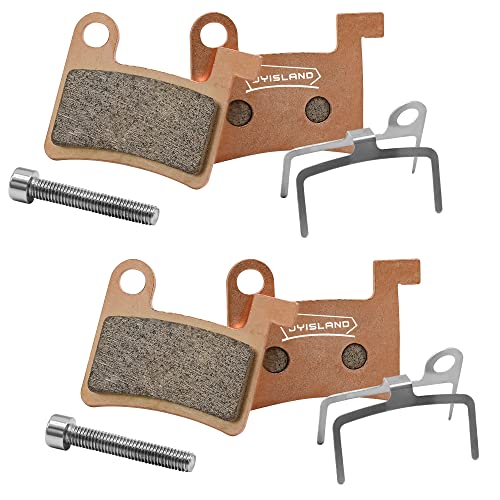
These DYISLAND pads come in semi-metallic and sintered-metal variants, offering flexibility for different riding styles. They are designed for compatibility with LD-200PLUS and LD4X-600 series hydraulic disc brakes. The semi-metallic option features a shorter break-in period with strong anti-wear and heat dissipation, while the metal variant delivers higher stopping power and wear resistance. The widened pads provide robust braking force, and the thicker design supports longer service life between replacements.
AGPTEK High-Performance Disc Brake Pads

AGPTEK’s semi-metallic pads combine copper fiber and Kevlar for effective heat dissipation and wear resistance. They include stainless steel shrapnel and pins to promote quick rebound and reduced disc friction, aiming for extended pad life beyond 3,500 kilometers. The design is engineered to withstand temperatures up to 700 degrees, maintaining braking performance in dry and wet conditions. They are compatible with a broad range of Shimano and Deore/TX lines, making them a versatile option for many riders.
PACYTION 4 Pairs Bike Brake Pads With Tools

This set includes four pairs of semi-metallic pads plus essential installation tools: a disc brake gap regulator, a hydraulic brake piston press tool, and a hex wrench. The pads are made with copper fiber and organic resin to balance wear resistance and quiet operation. They are broadly compatible with Shimano MT200/M355/M446/M315/M365 families and many Tektro models, along with UR300 and C501 variants. The package emphasizes cost efficiency by bundling tools with pads, reducing the need for separate purchases.
PACYTION 4 Pairs Sintered Metal MTB Pads

The sintered metal pads from PACYTION are designed for high-temperature environments and consistent stopping power during prolonged braking, making them well-suited for e-bikes and electric scooters. They offer robust wear resistance and are compatible with an extensive list of Shimano and Tektro brakes, such as MT200, MT400, MT500, and many more. This option emphasizes durability in demanding riding conditions and heavy braking scenarios.
Lwuey Bike Disc Brake Pads – Resin Semi-Metal Kit

These Lwuey pads combine resin and semi-metal materials for a smoother, quieter braking experience with reduced disk wear compared to full sintered pads. They’re designed for stable performance in both dry and wet conditions and work across a range of mechanical and e-bike disc brakes. The kit includes four pairs and emphasizes durability, heat management, and consistent power delivery for regular daily riding and light off-road use.
Lwuey Bike Disc Brake Pads – Resin Kit (Second Option)

This Lwuey option emphasizes low disk wear and quiet braking through a resin-based semi-metal blend. The coating and material choice aim to deliver a stable initial bite and reliable performance across weather conditions. The pads are described as suitable for a variety of common mechanical braking systems and scooters, focusing on rider safety and long-term rotor protection.
Buying Guide: Choosing The Right Electric Bike Brake Pads
- Brake pad material: Semi-metallic pads offer a balance of heat dissipation, wear resistance, and quieter operation. Sintered metal pads excel in high-heat, demanding braking but can be louder and more aggressive on rotors.
- Compatibility: Always confirm caliper model (Shimano, Tektro, TRP, etc.) and rotor size. Some pads are designed for specific brake lines or hydraulic systems, while others are broadly compatible.
- Riding conditions: Wet, muddy, or steep terrain often benefits from sintered pads due to better heat management and stronger bite. Dry, everyday commuting may favor semi-metallic options for lower noise.
- Heat management: Heavily braked sections or downhill riding require materials that resist fade. Consider pads with proven heat dissipation properties or reinforced backings.
- Installation and maintenance: Some kits include installation tools, spacers, or piston tools, making replacement easier. Ensure you have the correct tools and follow manufacturer break-in procedures for optimal performance.
- Noise and rotor wear: Resin and certain semi-metallic blends tend to be quieter and gentler on rotors, while sintered pads may generate more rotor wear over long-term use.
- Maintenance schedule: Regular inspection of pad thickness, rotor condition, and system purity (cleanliness of hydraulic lines) helps maintain braking performance and safety.
- Price-to-performance: Bundled tool kits can provide overall value, especially for riders who frequently replace pads or perform DIY maintenance.
When selecting brake pads, balance your riding style, weather, and terrain with the pad’s material characteristics and compatibility. Maintenance habits—like cleaning rotors and avoiding oil contamination—also influence long-term performance and safety.