Choosing a reliable speed sensor is essential for accurate data on e-bikes, whether you’re optimizing power usage, calibrating a speedometer, or sync’ing with a cycling app. This guide highlights five top options designed for American riders, covering durability, compatibility, and real-time performance. Each product section includes a quick visual, key features, and practical considerations to help you decide which sensor best fits your bike and riding style.
Summary Table
| Product | Brand | Key Benefit | Compatibility Notes |
|---|---|---|---|
| Cogster E-Bike Magnet Speed Sensor (R24, Black) | COGSTER | Precise real-time data with lightweight durability | 6-bolt rotor compatibility |
| Cogster E-Bike Magnet Speed Sensor (R32, Blue) | COGSTER | Versatile for varied rotor designs | 6-bolt rotor compatibility |
| SIUKE External Speed Sensor | SIUKE | solves speed error during glide, easy installation | Wheel spoke magnet mounting |
| Bosch Magnet Slim Speed Sensor | Bosch | Slim, reliable data for advanced hubs | 6-bolt hubs |
| Magene Speed/Cadence Sensor | Magene | Bluetooth/ANT+ compatibility for multiple devices | Separate speed and cadence units recommended |
Cogster R24 E-Bike Speed Sensor

Cogster’s R24 speed sensor is designed for 6-bolt rotor systems, delivering accurate, real-time speed data to help optimize motor assistance and energy use. The sensor is crafted from AL6061-T6 aluminum, ensuring a strong yet lightweight build that can withstand typical trail and urban riding. Its 6-bolt rotor compatibility supports both standard and floating rotor designs, increasing versatility for diverse e-bike configurations. Installation emphasizes secure mounting and consistent data transmission, supporting riders who rely on precise cadence and speed readings during varied terrain.
Cogster R32 E-Bike Speed Sensor

The Cogster R32 mirrors the R24’s robust design but adds a blue finish for those who want a distinct look. Built from AL6061-T6 aluminum, it maintains high strength with lightweight durability. It supports 6-bolt rotor setups and is adaptable to both standard and floating rotor configurations. Real-time speed data helps monitor motor output, ensuring efficient performance across climbs and flats alike, while its durable construction resists wear in challenging weather and rough roads.
SIUKE External Speed Sensor

SIUKE’s external speed sensor offers a pragmatic mounting approach by attaching a magnet on the spoke with the sensor head aligned toward the reading device. This setup is designed to prevent speed errors during gliding and to provide reliable data in varied riding conditions. The unit emphasizes durability through quality materials and aims for a straightforward installation that reduces maintenance and misalignment risks, making it a solid option for riders who want a simple, dependable sensor that still delivers accurate measurements.
Bosch Magnet Slim Speed Sensor

The Bosch Slim Speed Sensor is engineered for precision in 6-bolt hub systems and is tailored to work with Bosch’s smart system technologies. The magnet is built for durability to withstand wear and corrosion, ensuring long-lasting operation across diverse weather conditions. This option is ideal for riders who value seamless integration with Bosch-equipped systems and consistent data transmission for both speed monitoring and electronic shifting/braking enhancements.
Magene Speed/Cadence Sensor (Road/Indoor)
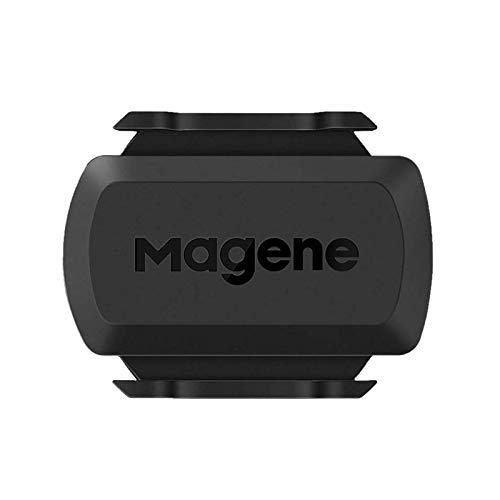
Magene’s sensor offers dual-mode versatility, supporting both speed and cadence data when paired with appropriate sensors. It accepts Bluetooth and ANT+ connections, enabling compatibility with popular bike computers and training apps such as Onelap, Wahoo, and Zwift. The unit’s modular approach means you can run one sensor for speed or cadence, but for full data capture, a separate cadence sensor is often recommended. Installation emphasizes straightforward mounting and reliable wireless performance across devices.
Cogster R32 Blue E-Bike Speed Sensor
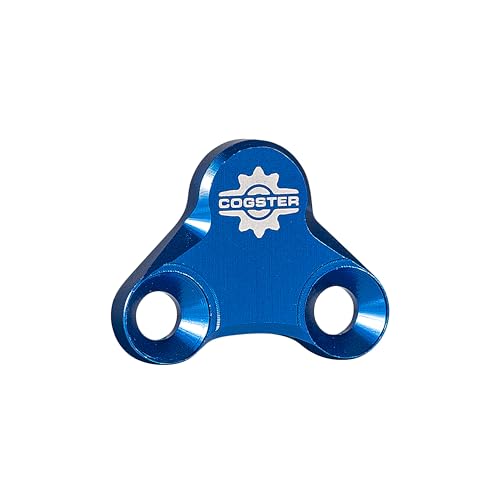
The blue Cogster R32 variant provides the same engineering emphasis on accurate speed monitoring and heavy-duty construction as its black counterpart. Its AL6061-T6 aluminum build supports tough riding conditions while offering compatibility with 6-bolt rotor layouts. This option is well-suited for riders seeking a visually distinctive sensor without compromising on performance or durability.
Moofit Cadence Sensor (Bluetooth/ANT+)

Moofit’s cadence sensor pairs with Bluetooth and ANT+ to deliver real-time cadence data for cycling and trainer apps. It’s designed for easy installation without magnets, relying on crank-arm mounting to simplify setup. While primarily focusing on cadence, it complements speed data when paired with a compatible speed sensor or a dual-sensor setup, making it a practical choice for users who want broader data capture across training environments.
Fafeims Electric Bike Speed Sensor

Fafeims offers a 12-magnet dual-loop speed sensor with a 1:1 power assist ratio, designed to provide precise torque-to-speed translation for e-bike controllers. The 65mm disk and 1.1m cable support straightforward integration into various conversion kits. This sensor focuses on consistent speed readings and responsive assist levels, making it a durable option for riders who demand predictable performance from their e-bike systems.
Buying Guide: Key Purchase Considerations
- Compatibility: Verify rotor type (6-bolt vs. center-lock) and hub compatibility. Some sensors are designed specifically for 6-bolt rotors, others for certain hub brands or universal setups.
- Mounting and durability: Look for sensors with solid aluminum housings and proven resistance to weather, mud, and vibration. If you ride in wet or dusty environments, IP ratings or sealed connectors can be important.
- Data accuracy and latency: A good sensor delivers real-time speed data with minimal lag. Consider sensors that advertise low latency and stable readings during accelerations and descents.
- Power and battery: Some sensors rely on magnets and mechanical alignment, while others are battery-powered. Consider maintenance needs and battery life for long rides or training blocks.
- Connectivity: If you plan to use smartphone apps or bike computers, check compatibility with Bluetooth, ANT+, or both. Ensure your devices support the sensor’s protocol and data fields (speed, cadence, torque, etc.).
- Ease of installation: Some options require magnet alignment on spokes; others avoid magnets entirely. Choose based on your comfort with wheel work and tool availability.
- Brand ecosystem: If you already use a particular smart system (Bosch, Magene, Wahoo, etc.), a sensor designed to integrate into that ecosystem can simplify data syncing and updates.
- Upgrade path: Consider whether you might add cadence sensors or upgrade to a dual-sensor setup for richer data analytics in the future.
Overall, the listed sensors provide a spectrum of choices—from ultra-durable, rotor-specific units to flexible, app-compatible options. When selecting, weigh rotor compatibility, mounting simplicity, and data reliability against your typical riding conditions and the devices you plan to pair with your bike computer or training apps.