Finding the right cadence sensor for an electric bike helps you monitor pedal revolutions per minute, improve efficiency, and tailor workouts to your power profile. This guide covers top performers that work with common apps and bike computers, emphasizing reliable Bluetooth and ANT+ connectivity, IP ratings, and ease of installation. Use these options to enhance cadence tracking whether you ride outdoors, on a trainer, or with a smart cycle computer.
Summary of selected products
| Product | Brand | Key Benefit |
|---|---|---|
| Wahoo RPM Cycling Cadence Sensor | Wahoo Fitness | Dual ANT+/Bluetooth, real-time cadence with multiple apps |
| Garmin Bike Speed 2 and Cadence 2 Sensor | Garmin | Self-calibrating speed and cadence with seamless data to Garmin devices |
| moofit Cadence Sensor | moofit | ANT+/Bluetooth dual protocol, easy install without magnets |
| Magene Outdoor/Indoor Speed/Cadence Sensor | Magene | Versatile mode options and cross-app compatibility |
| COOSPO BK9C Cadence Sensor | CooSpo | Bluetooth 5.0 and ANT+ support with IP67 waterproofing |
Wahoo RPM Cycling Cadence Sensor
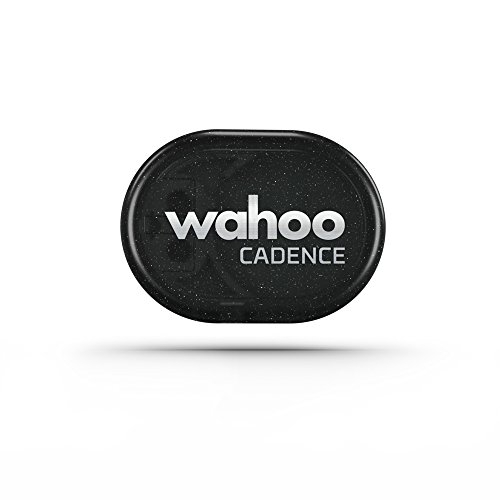
The Wahoo RPM Cycling Cadence Sensor provides real-time cadence data and speed measurements via Bluetooth. It integrates with popular training apps including Wahoo SYSTM, RGT, Zwift, and Peloton Digital on iOS. The device uses dual-band technology, supporting ANT+ and Bluetooth Smart, enabling connections to smartphones, tablets, and bike computers. This flexibility makes it suitable for a wide range of setups, from outdoor rides to indoor training sessions. Installation is straightforward on most crank arms, and the sensor is designed to work with multiple apps simultaneously for synchronized training data.
Garmin Bike Speed 2 and Cadence 2 Sensor

The Garmin Sensor set attaches to the wheel hub for speed and to the crank for cadence, delivering precise readings that self-calibrate with compatible Garmin devices. It supports data transmission via ANT+ and Bluetooth Low Energy, letting you share live speed, distance, and cadence with training apps and displays. The ability to calibrate with your Edge computer or other Garmin gear helps ensure consistency across workouts, making it a strong choice for riders who already use Garmin hardware or Garmin-connected ecosystems.
moofit Cadence Sensor

The moofit Cadence Sensor blends ANT+ and Bluetooth capabilities for real-time cadence data on your bike computer or mobile device. Its magnet-free installation simplifies setup, and the dual-protocol support makes it compatible with a wide array of apps and trainers. Real-time cadence tracking helps riders optimize pedal efficiency and cadence zones during workouts, making it a practical option for both outdoor and indoor cycling enthusiasts.
Magene Outdoor/Indoor Speed/Cadence Sensor
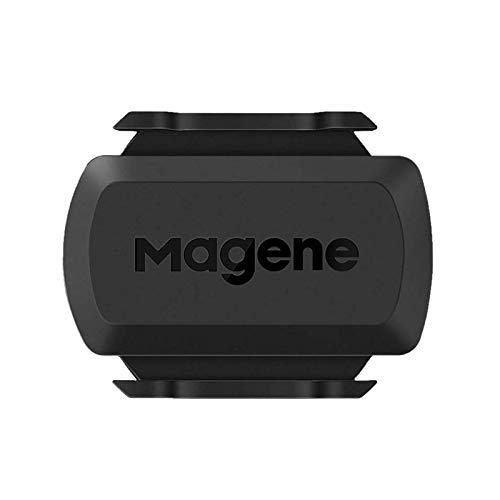
The Magene sensor line includes both speed and cadence functionality with Bluetooth and ANT+ support. A single sensor mode means you choose either speed or cadence, so training requires managing multiple sensors for full data coverage. Some users appreciate the platform flexibility that allows compatibility with Onelap, Wahoo Fitness, and Zwift, while others note the need for separate sensors if both metrics are required simultaneously.
COOSPO BK9C Cadence Sensor

The BK9C cadence sensor from COOSPO emphasizes accurate cadence measurement with Bluetooth 5.0 and ANT+. It features IP67 waterproofing and a long battery life, enabling reliable use in varied weather and training conditions. The cadence data syncs with compatible apps and GPS bike computers, offering a consistent metric for cadence-focused workouts and performance tracking across devices.
Buying Guide: Key Purchase Considerations
- Connectivity: If you use multiple apps or devices, look for dual ANT+ and Bluetooth support. This ensures compatibility with most bike computers, smartphones, and tablets without switching sensors.
- Accuracy and Calibration: Seek sensors with proven cadence consistency and automatic or easy calibration with your existing head unit or app ecosystem. Self-calibration features are a plus for outdoor training data integrity.
- Installation: Many riders prefer magnet-free designs for quick setup. Ensure compatibility with your crank arm size and wheel hub mounting options.
- Durability: IP ratings (IP67 or higher) help resist sweat and splashes during rides or indoor sessions. Battery life is also important for extended training blocks without frequent replacements.
- App and Ecosystem Compatibility: Consider your primary training apps (Zwift, Peloton, Rouvy, Wahoo Fitness, etc.). A sensor that broadcasts clean cadence data to your preferred app saves setup time and improves data consistency.
- Mode Limitations: Some devices support separate sensors for speed and cadence or limit concurrent data streams. If you need both metrics, verify whether a single sensor can handle both or if a second unit is required.
- Price and Availability: While not including specific prices, compare bundle options (single sensor vs. dual-sensor kits) and check for seasonal deals or manufacturer warranties to maximize value over time.
Cadence data complements other metrics like speed, power, and heart rate, helping riders refine pedal efficiency, cadence zones, and endurance strategies. When selecting, align the sensor with your current hardware setup, app preferences, and the type of training you perform—outdoor cycling, indoor trainer workouts, or hybrid sessions.