Keeping a dirt bike’s fuel system free of contaminants is essential for reliable performance. A quality inline fuel filter protects the carburetor and engine from dirt, rust, and varnish, reducing fouled plugs and unexpected stalling. This guide highlights five top-rated filters suitable for dirt bikes, ATVs, go-karts, and other small engines, with quick comparisons to help you choose the right one for your ride.
| Product | Brand | Key Use |
|---|---|---|
| AloneGoer Inline Fuel Filter 10-Pack | AloneGoer | Universal 1/4″ inline filtration for small engines |
| K&N 81-0221 Fuel Filter | K&N | High volume, easy backflushing |
| YAMAKATO 1/4″ Inline Copper Fuel Filter | YAMAKATO | Clear housing for flow monitoring |
| GREHUA Dirt Bike Gas Line With Filter | GREHUA | Complete line with filter for multiple models |
| APE RACING Billet Aluminum Inline Filter | APE RACING | Heavy-duty billet aluminum, corrosion-resistant |
Below are five chosen products ranked for dirt bike compatibility, availability, and features. Each entry includes a direct link to Amazon for quick comparison and purchase. Images accompany each listing for quick recognition.
AloneGoer Inline Fuel Filter 10 Pack
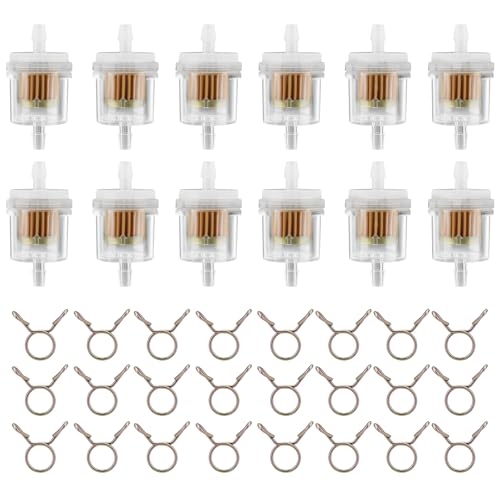
The AloneGoer inline fuel filter is a universal 1/4″ filter designed for motorcycles, mini bikes, dirt bikes, mopeds, ATVs, scooters, go-karts, and other small engines. It uses a 40-micron rating and is sold in a pack of ten, offering enough replacements for multiple maintenance cycles. The small 6–7 mm inner diameter makes it compatible with a wide range of fuel lines. This set is appropriate for outdoor power equipment, including lawn mowers and snow blowers, ensuring a steady supply of clean gasoline to the carburetor.
K&N 81-0221 Fuel Filter
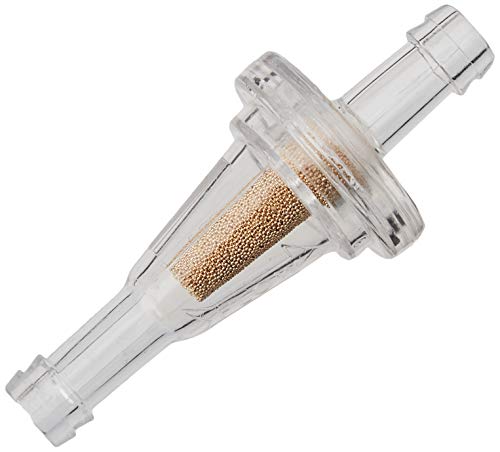
The K&N 81-0221 fuel filter emphasizes high volume with low-pressure operation. It is easy to clean via backflushing, which can extend service intervals. The model is available with a 1/4 Inch flange option for straightforward installation in many dirt bike fuel systems. Its robust design helps maintain steady fuel flow while preventing contaminants from reaching the carburetor, contributing to consistent engine performance across varied riding conditions.
YAMAKATO 1/4″ Inline Copper Fuel Filter
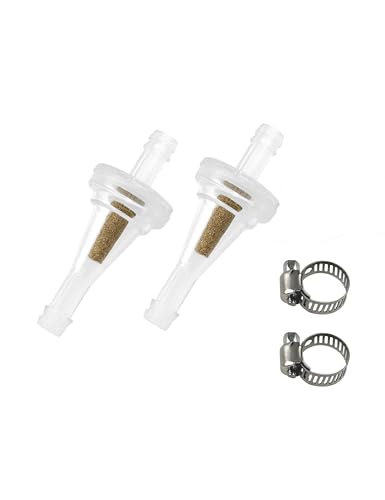
YAMAKATO offers a 1/4″ inline copper fuel filter compatible with dirt bikes, ATVs, motorcycles, UTVs, go-karts, snowmobiles, and other small engines. The kit includes two clamps to secure the filter, ensuring a tight seal. The housing is a see-through, gasoline-resistant nylon that enables easy monitoring of fuel flow. This setup supports quick diagnostics and replacement if flow appears restricted, making it a practical choice for off-road use.
GREHUA Dirt Bike Gas Line With Filter

GREHUA’s fuel line set includes an inline filter designed for compatibility with a wide range of pit bikes and dirt bikes. It supports GY6 50cc to 150cc engines and similar 139QMB/157QMJ configurations. The kit’s ABS-fiber shell and durable components promote resilience under vibration and fuel pressure. The hose length and dimensions (approximately 39.3 inches long with 1/5 inch ID and 1/3 inch outer diameter) allow versatile routing on compact machines, while clamps help maintain a secure fit.
APE RACING Billet Aluminum Inline Filter

The APE RACING inline filter uses a full billet aluminum construction with hard anodization and a sintered bronze element for filtration. It is designed for 1/4″ fuel lines and is marketed for motorcycles, ATVs, dirt bikes, and other small engines. The key benefits include corrosion resistance, a see-through design for flow visibility, and straightforward installation. The unit emphasizes durability in demanding riding conditions where fuel quality can vary.
Buying Guide: Key Purchase Considerations
When selecting a dirt bike fuel filter, consider the following factors to balance performance, durability, and cost.
- Filtration rating: A 40–80 micron rating captures most particulate matter found in regular pump gasoline and ethanol blends. Higher filtration can protect the carb from fine debris, but it may require more frequent maintenance if flow becomes restricted.
- Material and construction: See-through nylon housings are common and allow flow monitoring, while billet aluminum bodies offer superior corrosion resistance and durability in rugged conditions. Choose based on expected exposure and maintenance habits.
- Size and compatibility: Ensure the filter’s inlet/outlet size matches your fuel line (commonly 1/4″ or 6–7 mm). Some kits include clamps for a secure fit; others require additional hardware.
- Maintenance approach: Backflushing capability makes cleaning easier for filters designed for reuse. Disposable options may be cheaper upfront but require periodic replacement.
- Installation flexibility: Off-road riding demands compact, unobtrusive filters that can route through tight frames. Look for slim profiles and easy access for replacement in the field.
- Fuel compatibility: Ensure compatibility with gasoline types you use (regular, mid-grade, ethanol blends) to prevent swelling or degradation of the housing.
- Durability under vibrations: Small engines experience constant vibration; robust mounting and secure clamps help prevent leaks or disconnections during aggressive riding.
- Price vs. lifespan: A slightly higher upfront cost for a billet aluminum or high-quality bronze element may offer longer service life and lower replacement frequency for frequent riders.
Buying the right inline fuel filter involves weighing filtration needs, durability, and ease of installation. For regular off-road use, prioritize filters with clear housing for flow checks and corrosion-resistant bodies. If you ride in muddy or dusty environments, a higher filtration rating and secure clamps reduce maintenance time and protect the engine.